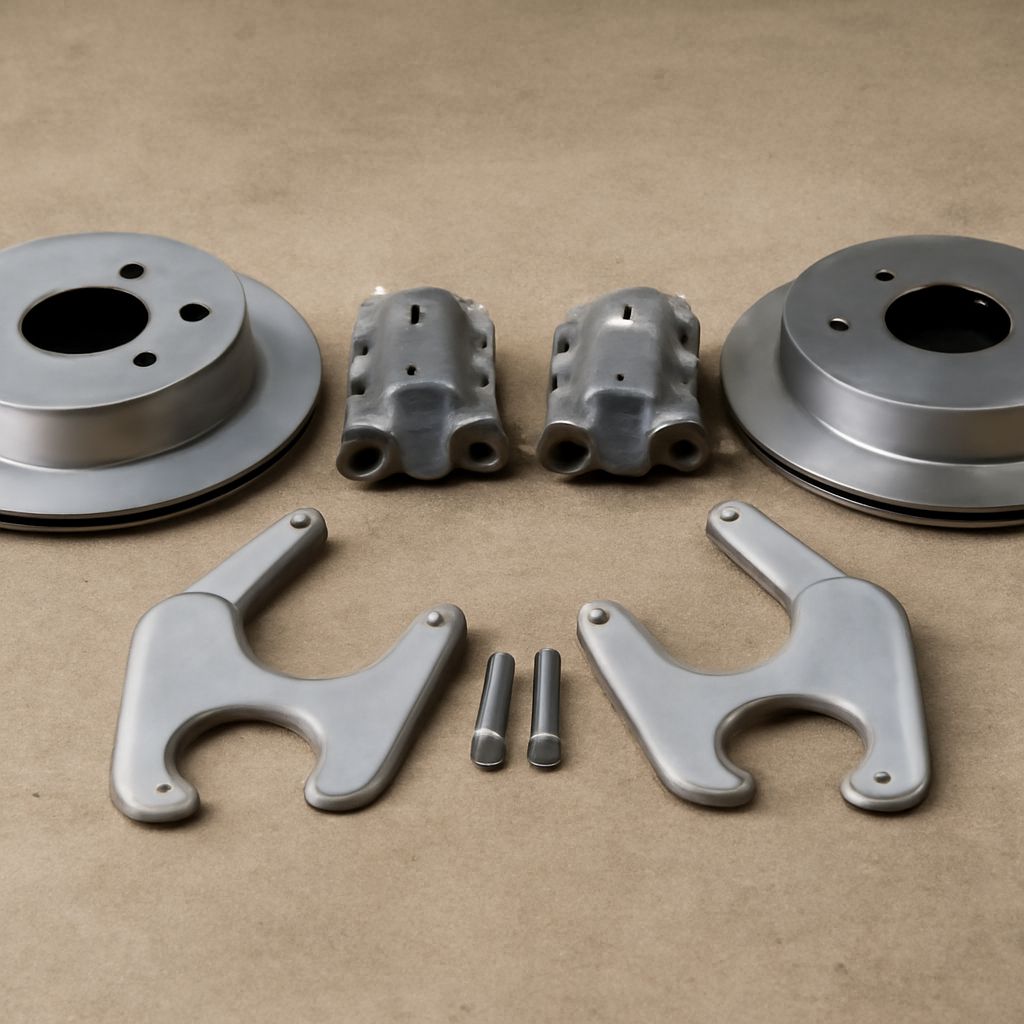
Brakes and rotors are crucial components in vehicle safety and performance, playing a vital role in stopping your vehicle safely and efficiently. Understanding how these parts work together can help you make informed decisions about maintenance and upgrades. This guide will explore the basics of brakes and rotors, delve into the workings of disc brake rotors, and explain why awareness of brake disc rotors is essential.
What are Brakes and Rotors?
Brakes are a system of components designed to slow down or stop a vehicle. The primary elements of a braking system include brake pads, calipers, and rotors. Rotors, also known as brake discs, are metal discs that connect to the wheels of a vehicle. When the brake pedal is pressed, the brake pads clamp down on the rotors to create friction, which slows the rotation of the wheels and ultimately stops the vehicle.
The efficiency of this system is dependent on the quality and condition of the brakes and rotors. Rotors come in various designs, such as solid, vented, and slotted, each with its distinct advantages. Solid rotors are simple and cost-effective, vented rotors feature internal vanes to dissipate heat, and slotted rotors offer enhanced performance by reducing brake fade.
How Do Disc Brake Rotors Work?
Disc brake rotors are a key component of the disc brake system, which is one of the most common types of brakes used in modern vehicles. When you press the brake pedal, the master cylinder sends brake fluid through the brake lines to the calipers. The calipers then use this hydraulic pressure to press the brake pads against the rotors. The resulting friction between the pads and the brake disc rotor slows down the vehicle.
Disc brake rotors are designed to handle intense friction and heat. They are typically made of cast iron or a composite of other materials to withstand high temperatures without warping. Regular maintenance, such as resurfacing or replacement, is necessary to ensure optimal performance, as worn or damaged rotors can lead to reduced braking efficiency and increased stopping distances.
Why is Understanding Brake Disc Rotors Important?
Understanding brake disc rotors is essential for maintaining vehicle safety and performance. Proper knowledge of these components allows drivers to recognize signs of wear and tear, such as pulsating brakes, squeaking sounds, or reduced responsiveness. These symptoms can indicate issues with the rotors or other parts of the braking system, requiring immediate attention to prevent brake failure.
Moreover, being informed about different types of rotors and their applications can help in choosing the right components for your vehicle. High-performance vehicles may benefit from slotted or drilled rotors, while everyday vehicles might be adequately served by solid or vented options. Awareness of these differences ensures that you select rotors that best match your driving needs and conditions.
Regular inspection and maintenance of brakes and rotors are paramount to ensuring longevity and reliability. By understanding and properly maintaining these components, you can enhance your vehicle’s safety and performance, providing peace of mind every time you hit the road.