-
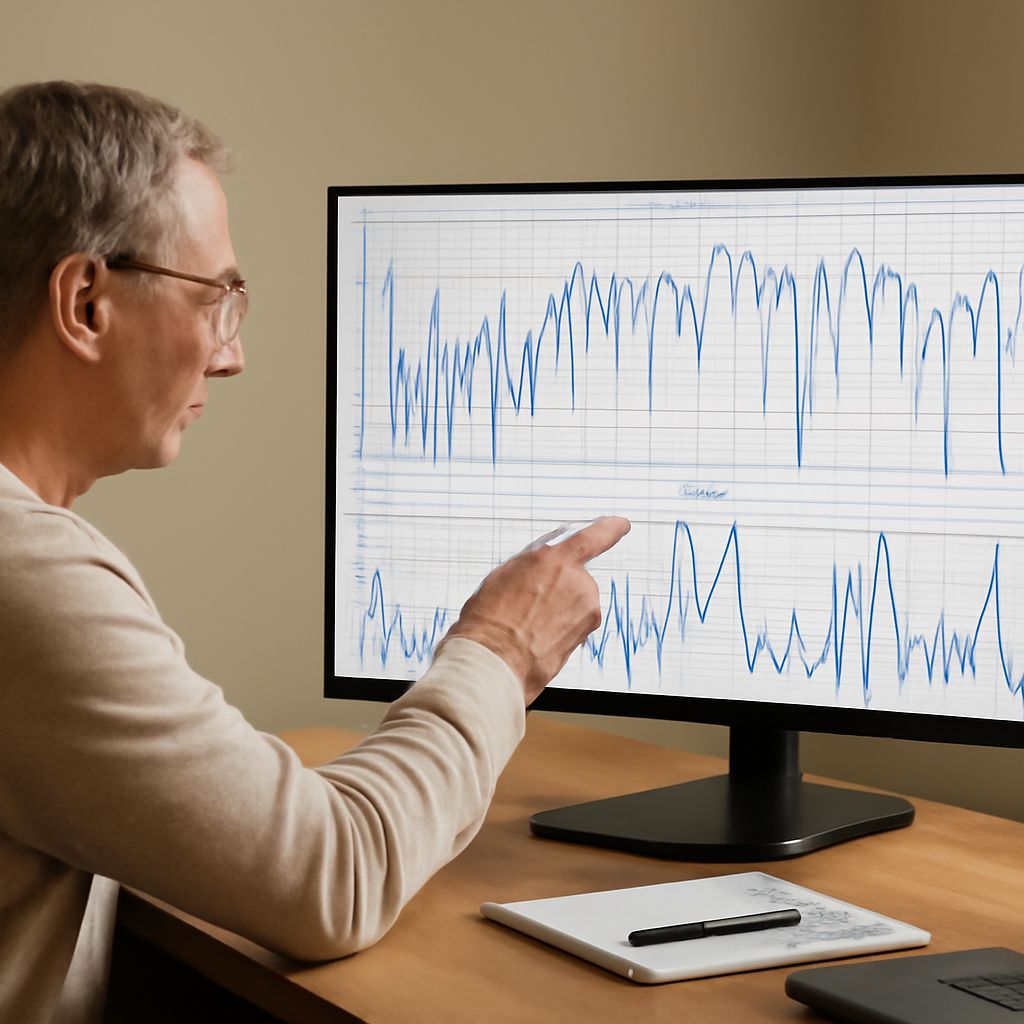
How a Log Periodic Antenna Covers More Than One Band
An LPDA’s antenna design covers multiple frequencies, but gain and match still vary. Learn how to compare reception, transmitting, and…
-
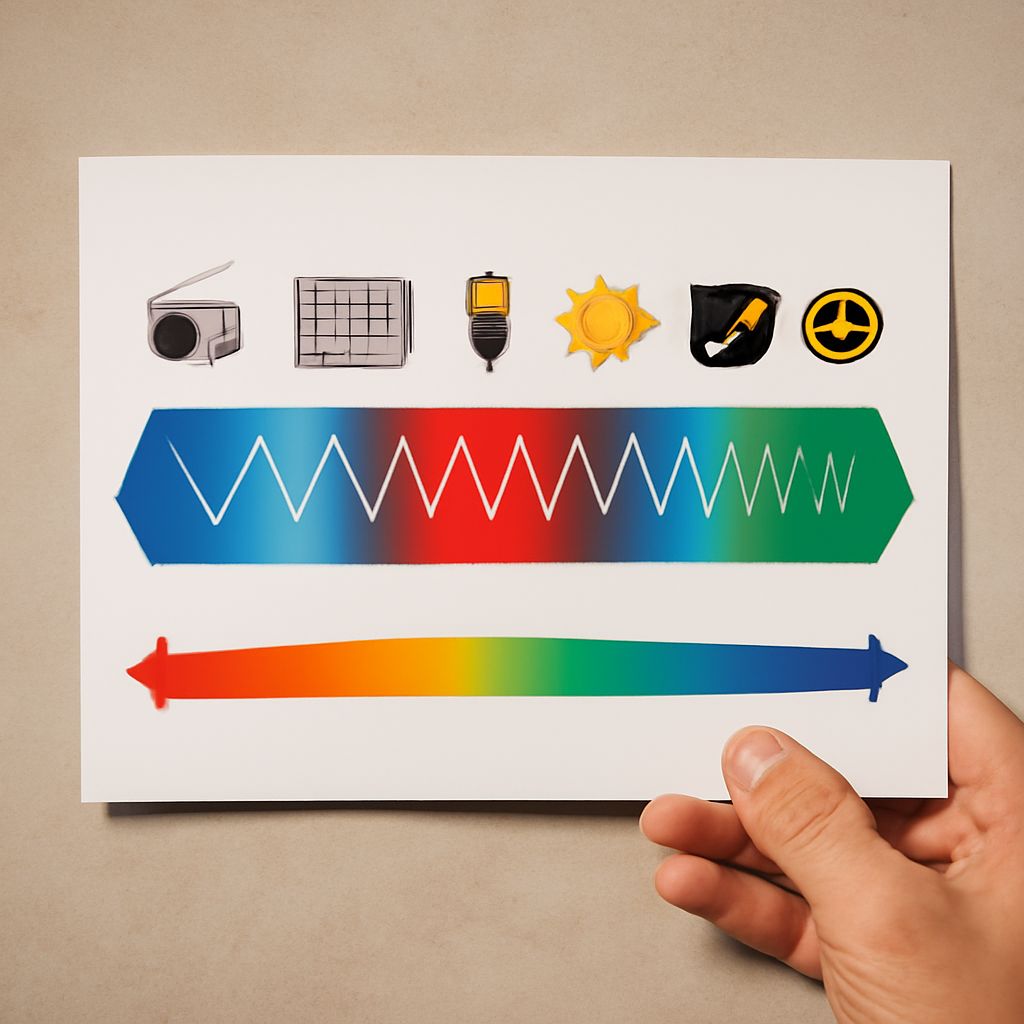
The Electromagnetic Radiation Spectrum, Explained From Radio to Gamma Rays
Discover what the electromagnetic spectrum is and how radio, light and X-rays relate. See why wavelength, frequency and photon energy…
-

A Practical Guide to Shortwave Listening
Frequencies for short-wave radio can seem puzzling. Learn how meter bands, time of day, receiver coverage, and station schedules guide…
-

How to Get Better Reception With an FM Radio Antenna
An antenna for AM and FM can take different forms. Discover how to match each band to your receiver, find…
-
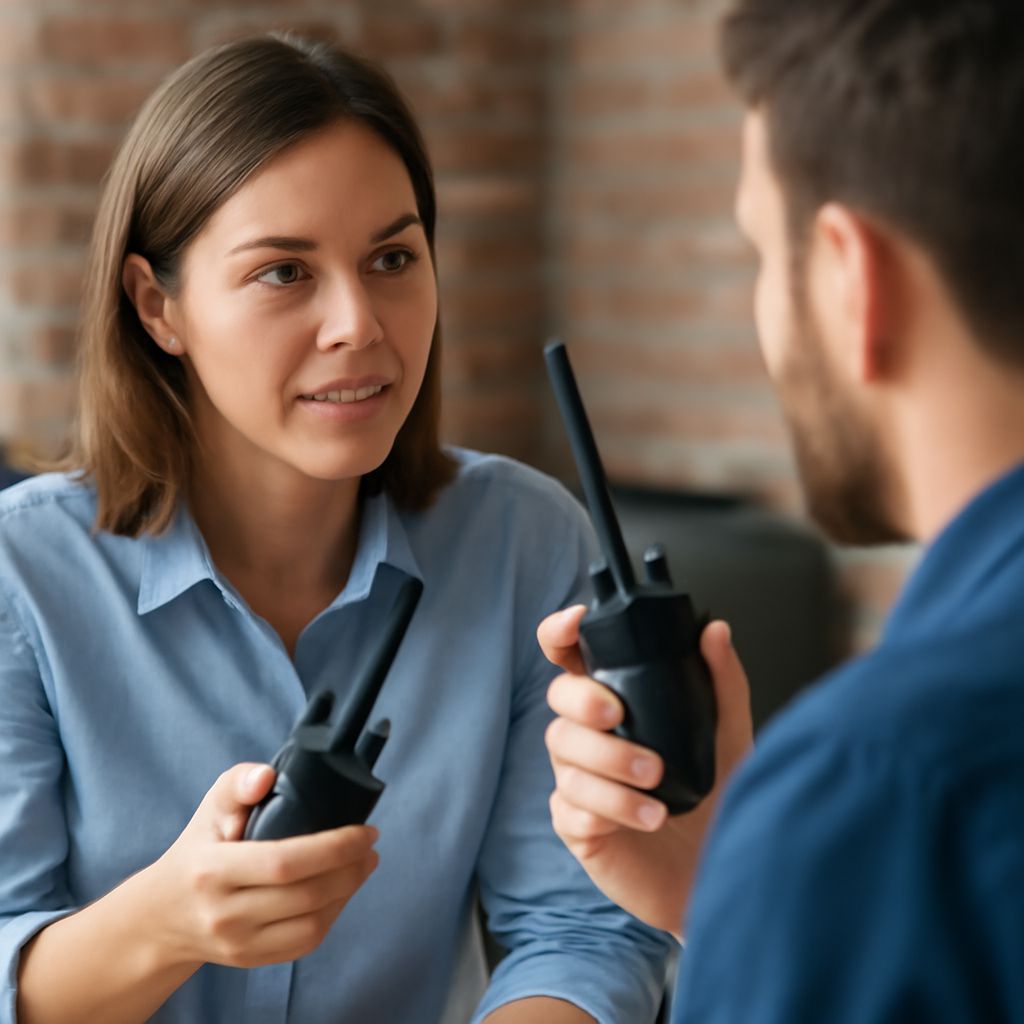
Walkie Talkie Lingo: A Clear First Conversation
Codes for walkie talkies can vary between groups. Learn when to say over or out, how to call a partner,…
-
Understanding Area Codes in Spectrum Policy
Explore the significance of 884, 496, and 638 area codes within spectrum policy, their uses, and impact on radio spectrum…
-
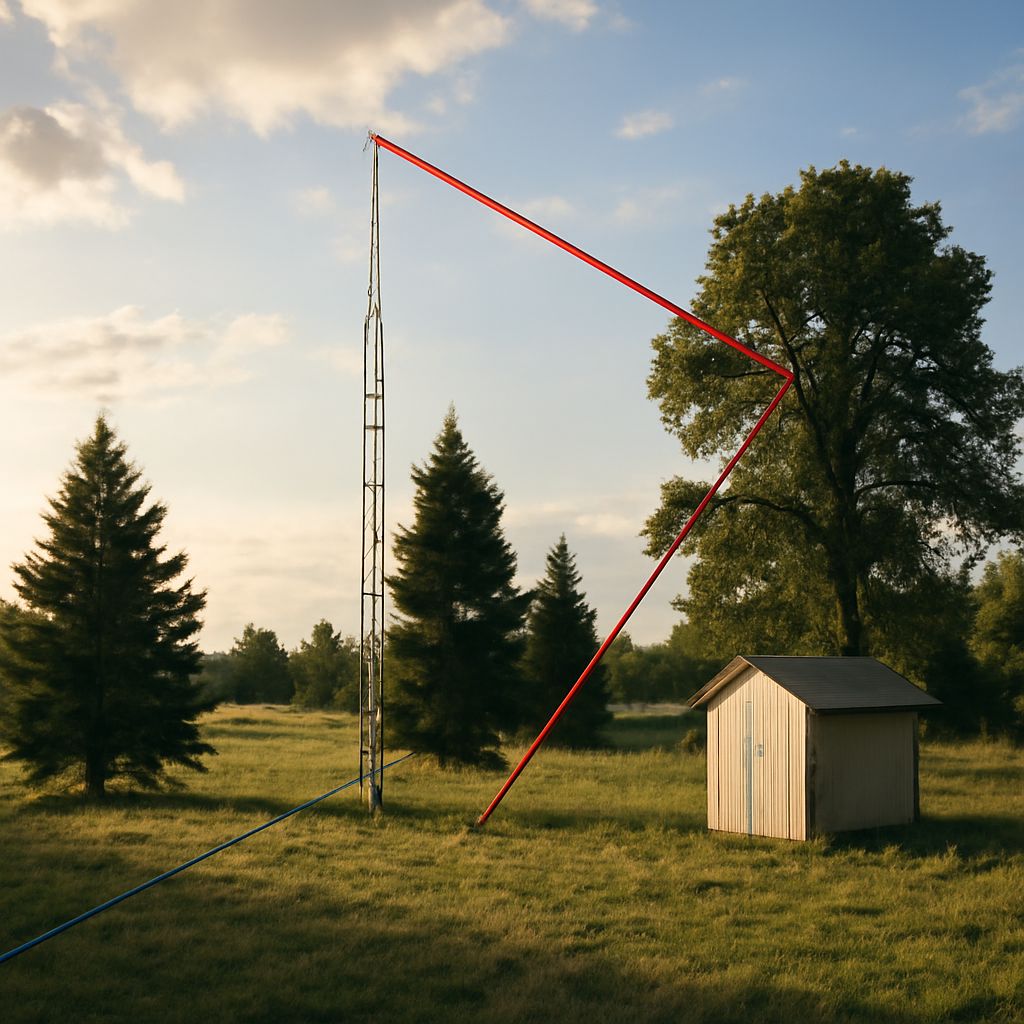
Ham Radio Station Layout: A First Base Station With Mobile Options
Ham radio station layout guidance for a first base station: arrange the transceiver, power supply, controls, feed line, grounding, and…
-

Ham Radio Bands Chart: Read Frequencies, Modes, and Propagation
Use this ham radio bands chart to match frequencies, modes, propagation, and equipment. Keep a ham radio cheat sheet nearby.…
-
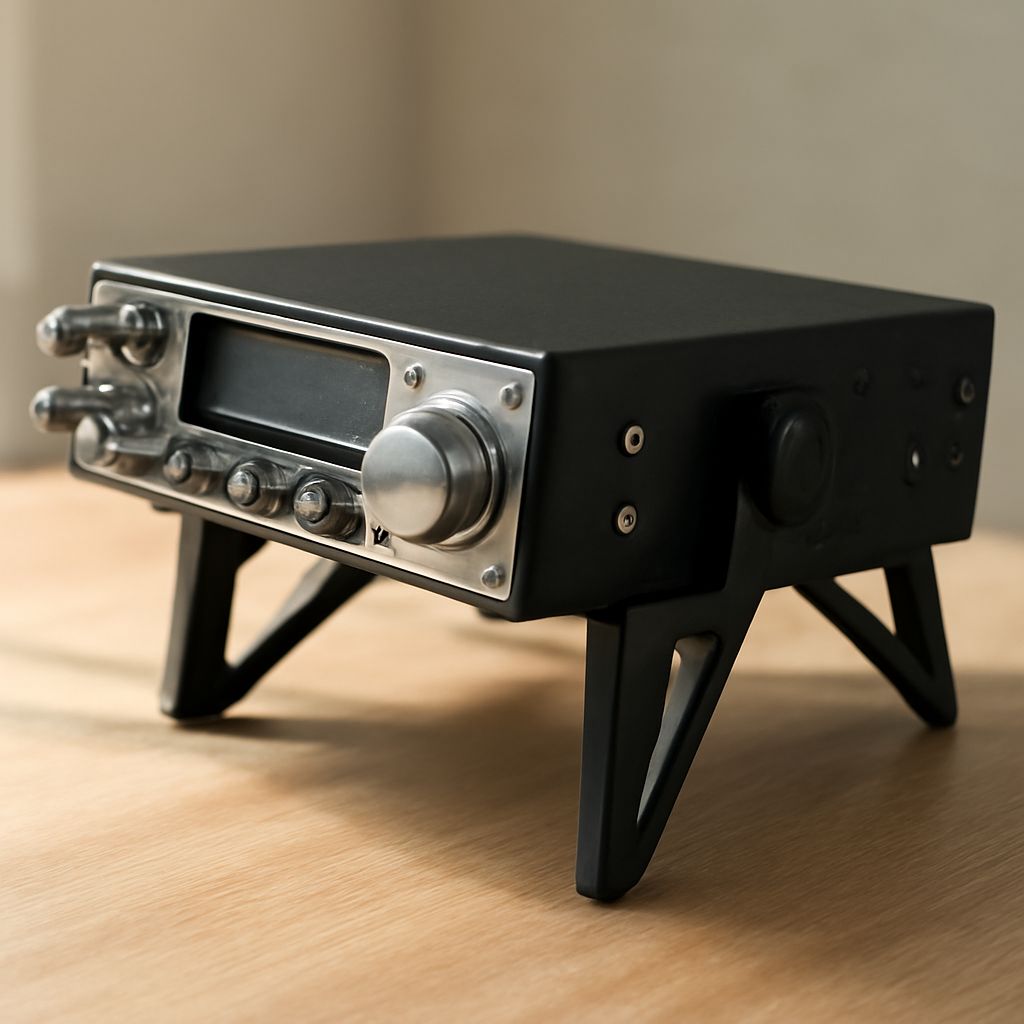
CB Radio Parts: Choose CB for Simplicity or Ham for Flexibility
CB radio parts shape a budget station’s performance. Compare CB and ham radio by licensing, range, equipment, and use, then…
-
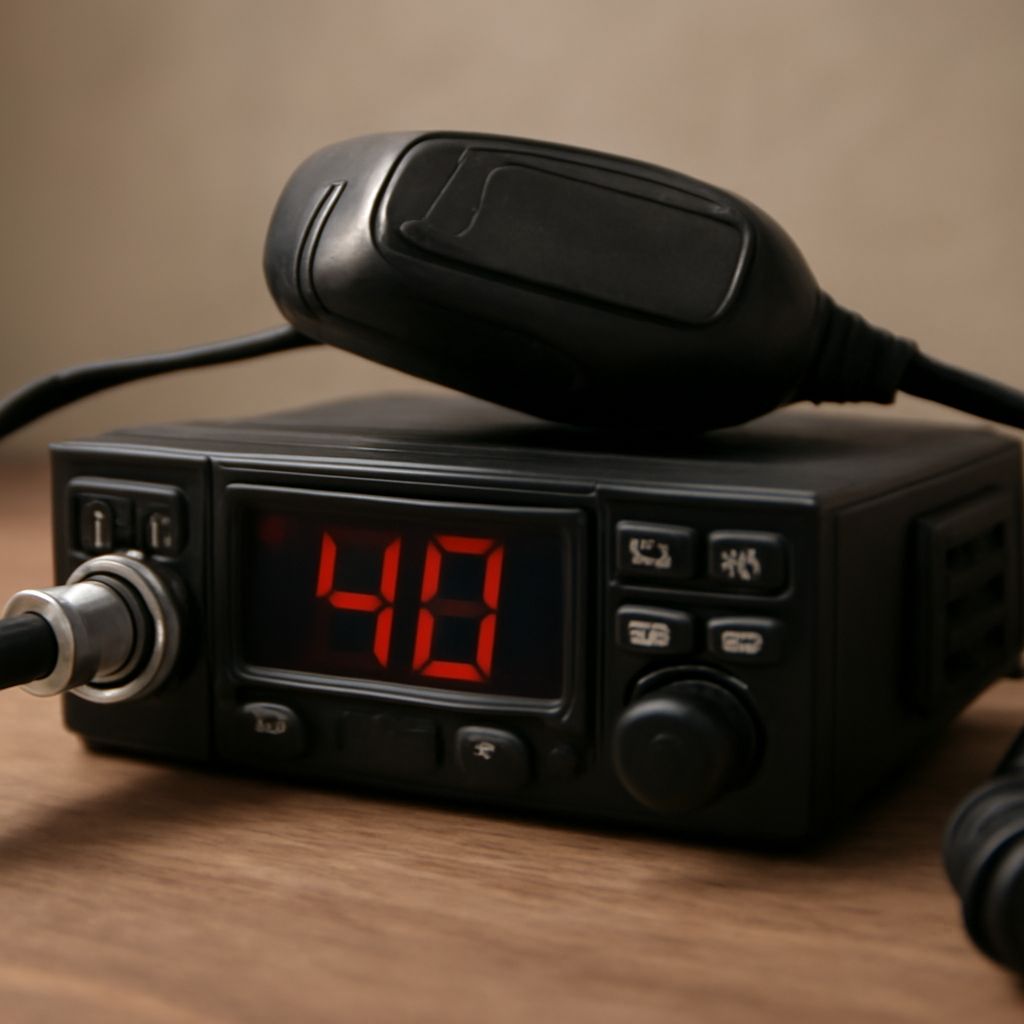
CB Radio Clubs: Install a Mobile CB, Use Codes, and Join In
CB radio clubs can help beginners move from a working mobile installation to confident on-air conversations. Learn to secure the…

Search
Categories
- Antennas And Placement (26)
- Broadcast Bands (24)
- Cabling And Hardware (7)
- CB, GMRS And Ham (7)
- Cellular Internet (3)
- Coax And Signal Chain (14)
- Connection Quality (4)
- Digital TV And Streaming (12)
- Digital TV Troubleshooting (2)
- FCC And Telecom Policy (1)
- Fixed Wireless (1)
- Internet Service And Quality (21)
- Network Performance (10)
- Radio Antennas (2)
- Radio Listening (1)
- Radio Spectrum Basics (6)
- Router And Access Points (22)
- Router And Access Points (11)
- Rural Broadband (2)
- Signal Diagnostics (5)
- Signal Diagnostics (8)
- Towers And Backhaul (2)
- Two-Way And Amateur Radio (16)
- Wi-Fi Channel Planning (9)