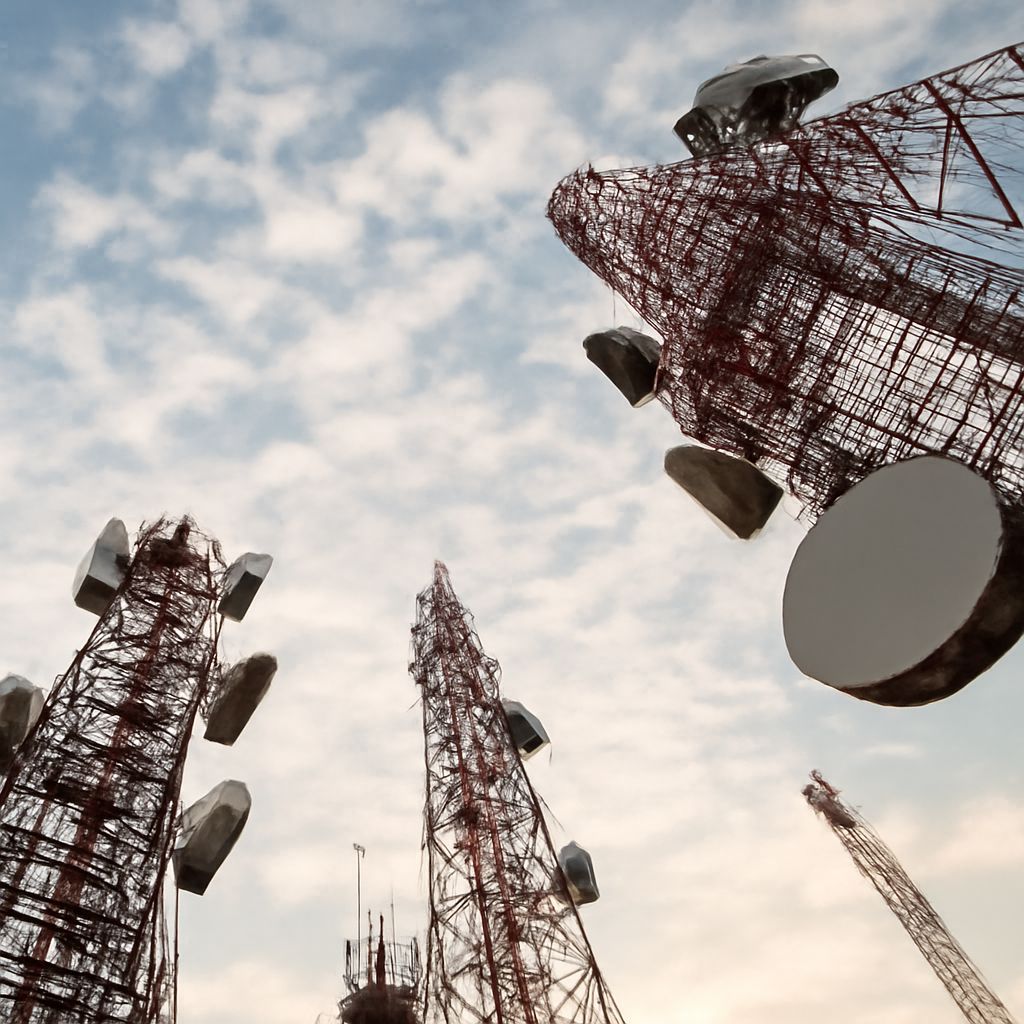
Telecommunications, often abbreviated as telecoms, form the backbone of modern communication systems. These technologies enable the transmission of information over distances through electronic means. From phone calls to internet browsing, telecommunications have revolutionized how individuals and businesses connect globally.
What Is Telecommunications?
Telecommunications encompass the transmission of data, voice, and video across different platforms and devices. This industry includes a wide array of technologies such as telephone networks, mobile communications, satellite systems, and the internet. The essence of telecommunications lies in its ability to facilitate instant communication, breaking geographical barriers that once hindered interaction.
At its core, telecommunications involve two key components: the transmitter, which sends data, and the receiver, which receives it. Networks like cellular systems, fiber optics, and broadband enable the seamless flow of information. Understanding what are telecommunications involves recognizing these systems as essential elements in connecting people and devices.
How Do Telecommunications Affect Connection Quality?
Connection quality in telecommunications is paramount and is influenced by several factors, including bandwidth, network congestion, and signal strength. Bandwidth refers to the maximum rate of data transfer across a network path and directly impacts the speed and quality of communication. High bandwidth ensures smoother and faster transmission of information.
Network congestion occurs when too many users or devices compete for limited resources, leading to slower data transfer and potential disruptions. Signal strength, particularly in wireless communications, also plays a critical role in maintaining connection quality. Stronger signals ensure better reception and clarity in voice and data transmission.
The Role of Telecoms in Broadband Planning
Telecoms play a crucial role in broadband planning, which focuses on providing high-speed internet access to homes and businesses. Effective planning ensures that infrastructure is in place to support growing demands for data and connectivity. This involves the strategic placement of fiber optic cables, wireless towers, and satellite connections.
Telecom companies work closely with government entities and private organizations to design and deploy broadband networks. These networks are essential for enabling smart technologies, supporting economic growth, and improving access to digital services. The collaboration between telecoms and planners helps create robust systems that can handle increasing data traffic and improve overall service quality.
Why Are Telecoms Important in Today’s World?
Telecoms are integral to modern society, influencing various aspects of daily life and economic activity. They facilitate communication, support business operations, and enable access to information and entertainment. In today’s digital age, telecoms are vital for remote work, online education, e-commerce, and telemedicine.
Moreover, telecoms play a significant role in emergency response and disaster recovery, providing reliable communication channels when traditional methods fail. They are also crucial in bridging the digital divide, offering connectivity in underserved and rural areas. By enhancing communication capabilities, telecoms contribute to social inclusion and global interconnectedness.