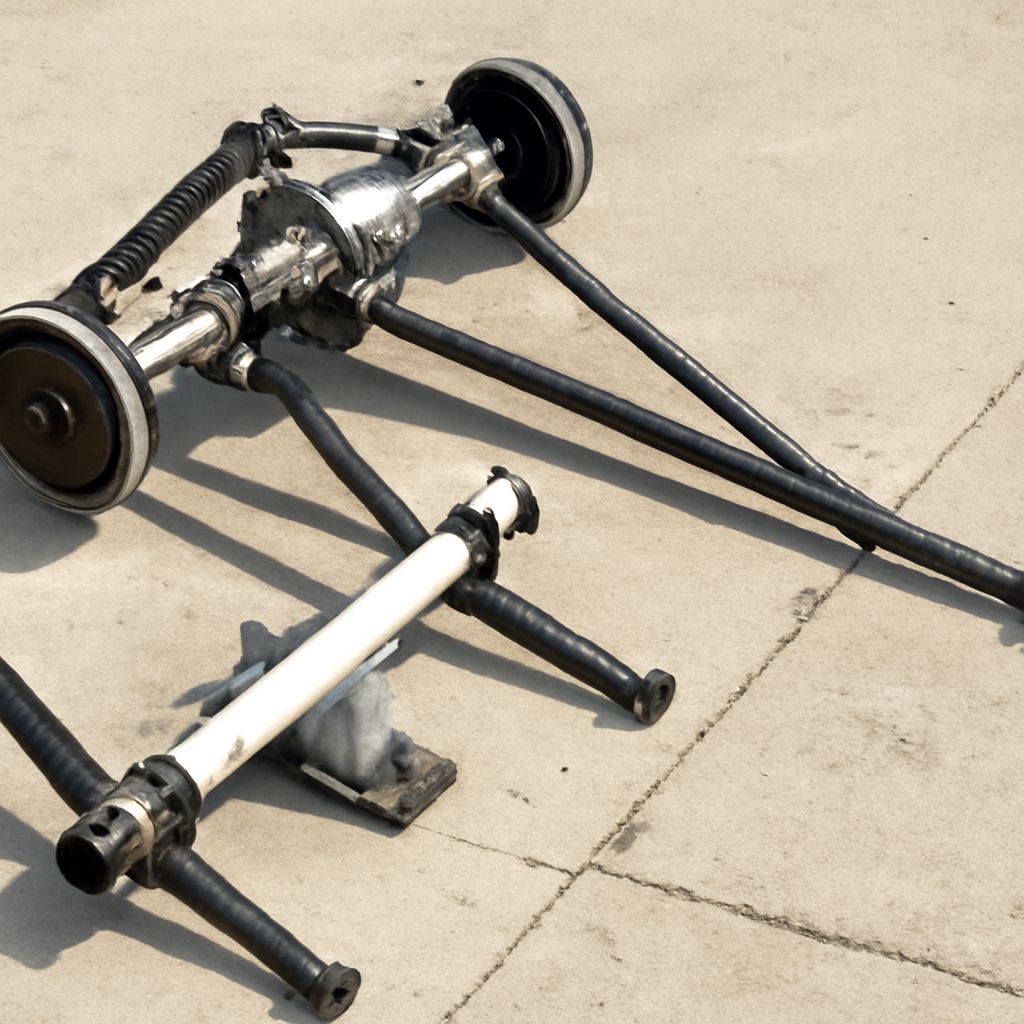
Leaf springs are a crucial component in many vehicles, playing a vital role in the suspension system. They provide support, stability, and comfort by absorbing shocks and maintaining the vehicle’s ride height. Understanding what do leaf springs do and their importance can help vehicle owners maintain better performance and safety.
What Are Leaf Springs and How Do They Work?
Leaf springs are elongated, flexible sheets of steel or composite materials, often stacked in layers to form a curve. They are mounted to a vehicle’s axle and chassis, acting as a buffer to absorb road shocks. When the vehicle moves over uneven surfaces, the leaf springs flex and extend, helping to mitigate jolts and vibrations.
The Importance of Leaf Springs in Vehicle Suspension
Leaf springs are essential in vehicle suspension for several reasons. Primarily, they maintain the vehicle’s ride height and support the weight of the vehicle, passengers, and cargo. Additionally, they help distribute weight evenly across the axle, enhancing stability and handling. This distribution is especially vital in larger vehicles like trucks, where load stability can significantly impact performance and safety.
Common Types of Car Leaf Springs
There are several types of car leaf spring designs, each suited to different kinds of vehicles and uses:
- Mono-Leaf Springs: Made from a single piece of metal, suitable for lighter vehicles. They offer a basic level of support and are less common in heavy-duty vehicles.
- Multi-Leaf Springs: Consist of multiple layers of metal strips, offering greater strength and support. Ideal for trucks and larger vehicles that carry heavy loads.
- Parabolic Leaf Springs: Feature tapered ends for progressive suspension, providing a smoother ride by varying the stiffness along the spring.
Signs of Leaf Spring Wear and Maintenance Tips
Like any vehicle component, leaf springs can wear out over time. Recognizing signs of wear can prevent more significant issues:
- Sagging or Uneven Ride Height: If the vehicle sits lower than usual, it may indicate that the leaf springs are wearing out or broken.
- Excessive Noise: Clunking or squeaking sounds during driving could point to worn-out leaf springs or mounting points.
- Visible Damage or Rust: Inspect the leaf springs for cracks, fractures, or rust, which can weaken their structure and performance.
Regular maintenance of leaf springs includes checking for alignment, ensuring that all bolts and mounting points are secure, and lubricating any moving parts. Replacing worn or damaged springs promptly can help maintain ride quality and vehicle safety.