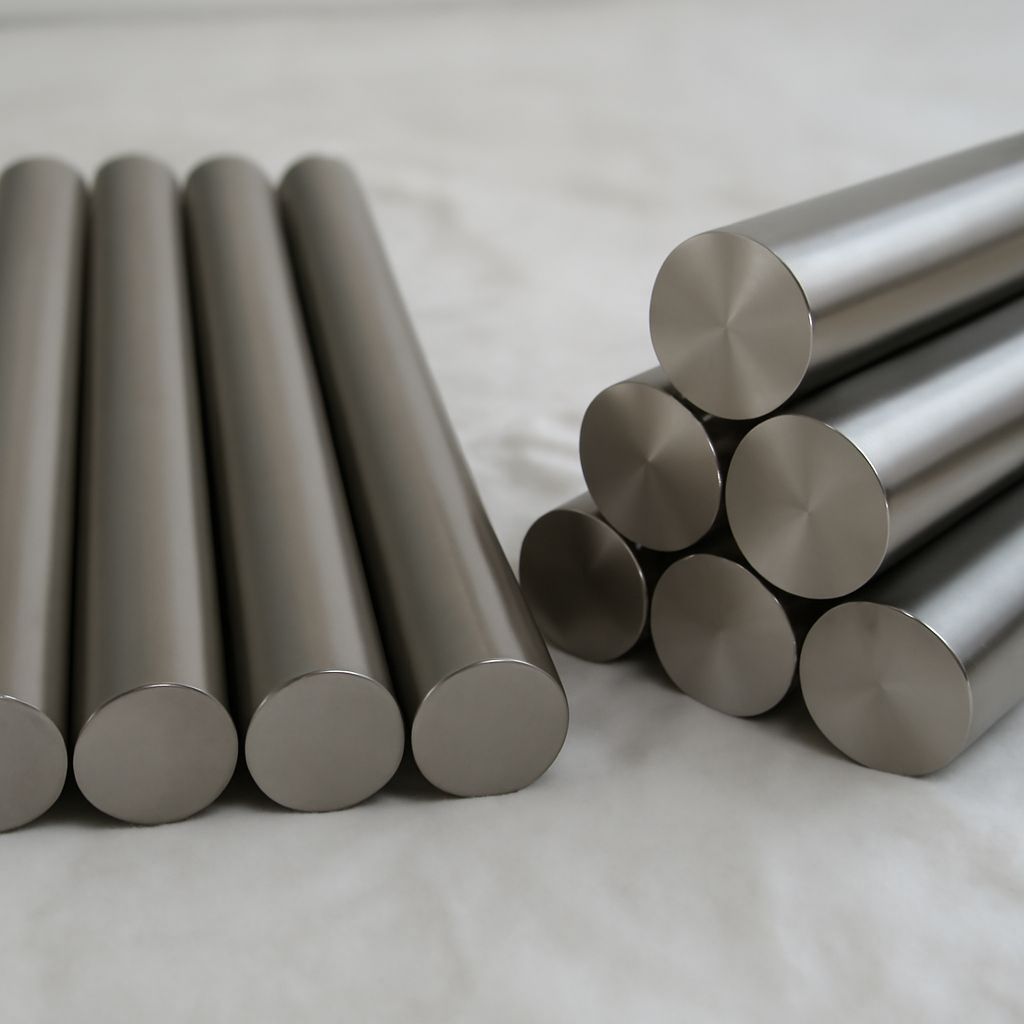
When choosing materials for cabling hardware, understanding the differences between stainless steel vs titanium is crucial. Both materials offer unique advantages that can significantly impact performance and cost-effectiveness. This guide will help you navigate their distinct properties, performance in cabling applications, and overall cost-effectiveness to determine which material best suits your needs.
What Are the Key Differences Between Stainless Steel and Titanium?
Stainless steel and titanium are both renowned for their strength and resistance to corrosion, but they differ in several key aspects:
- Strength and Durability: Stainless steel is known for its high tensile strength, making it an excellent choice for applications requiring significant load-bearing capacity. Titanium, while strong, is not as hard as stainless steel but offers a superior strength-to-weight ratio, making it ideal for applications where weight is a factor.
- Corrosion Resistance: Both materials resist corrosion well, but titanium offers exceptional resistance, even in harsh environments such as seawater and chemical industries.
- Weight: Titanium is significantly lighter than stainless steel, which can be a critical factor in applications where weight reduction is essential.
- Temperature Tolerance: Titanium can withstand higher temperatures than stainless steel, which may be advantageous in high-temperature environments.
How Does Each Material Perform in Cabling Applications?
When it comes to cabling hardware, the specific requirements of your application will dictate whether stainless steel or titanium is more appropriate:
- Stainless Steel: This material is often used in cabling applications that demand high durability and strength. Its resistance to wear and ability to maintain integrity under heavy loads make it suitable for industrial and structural applications. However, its weight could be a disadvantage in applications where lighter materials are preferable.
- Titanium: Known for being lightweight yet strong, titanium cables are favored in the aerospace and automotive industries where reducing weight without compromising strength is crucial. Its superior corrosion resistance also makes it a preferred choice for marine environments.
Which Material is More Cost-Effective for Your Needs?
The cost-effectiveness of using stainless steel versus titanium depends on various factors including the specific application, environmental conditions, and budget constraints:
- Stainless Steel: Generally more affordable than titanium, stainless steel provides excellent performance at a lower cost. It is ideal for applications where budget constraints are significant, and the weight of the material is less of a concern.
- Titanium: Although more expensive upfront, titanium’s durability and low maintenance needs can make it more cost-effective in the long term, especially in environments that would cause stainless steel to deteriorate rapidly. Its higher initial cost may be justified by its performance in weight-sensitive or highly corrosive environments.
In conclusion, the choice between titanium stainless steel and pure titanium for cabling hardware hinges on balancing the needs for strength, weight, corrosion resistance, and cost. By evaluating these factors, you can make an informed decision that aligns with your specific requirements.