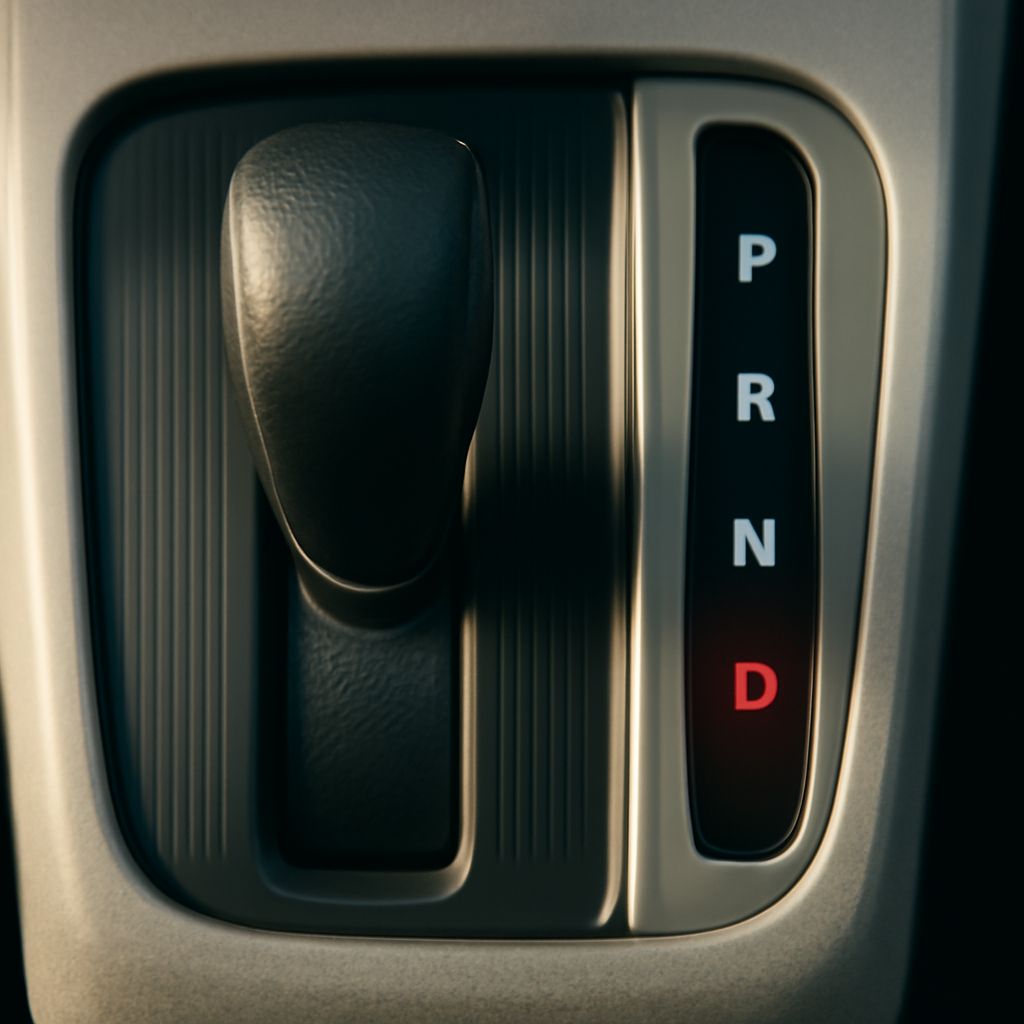
The ‘L’ on a car’s gear shift stands for “Low” gear. Found on many automatic transmissions, this setting limits your vehicle to its lowest gear range. While most drivers spend nearly all their time in “D” for drive, understanding what ‘L’ means—and when to use it—can improve safety and control in specific driving conditions. If you’re wondering what does l mean in a car or l on gear shift, this guide will clarify its purpose, practical uses, and important considerations for modern vehicles.
What does ‘L’ on the gear shift mean?
‘L’ on the gear shift means the transmission will remain in a low gear, usually first or second, and prevent automatic shifting to higher gears. In this mode, the engine delivers more torque at lower speeds, maximizing control and engine braking. This is different from the normal “D” (Drive) mode, which allows the car to shift automatically through all gears for a balance of speed and efficiency.
When you select ‘L’ on the gear shift, the transmission is electronically or mechanically restricted. Most commonly, it holds the car in first gear, or sometimes allows shifting between first and second, but won’t move into higher gears. This function is especially useful when you need extra power at low speeds or want to slow your vehicle with the engine rather than relying entirely on the brakes.
It is important to note that the specifics of how ‘L’ works can vary by manufacturer and model. Some vehicles may label this gear as “1” or “2” instead of “L”, but the function is essentially the same: keep the car in a lower gear to provide more torque and control.
Modern cars may also have manual modes, sport modes, or paddle shifters that let you select low gears directly, but the dedicated ‘L’ position is still common on many sedans, SUVs, minivans, and trucks.
When should you use the ‘L’ gear in your car?
Using the ‘L’ gear is most valuable in situations where you need maximum control over your speed or your brakes might otherwise become overworked. The most common scenarios include driving down steep hills, towing heavy loads, navigating icy or slippery roads, or moving at very slow speeds for precise maneuvers.
On steep descents, shifting to ‘L’ uses engine braking to slow the vehicle, reducing reliance on your brakes and lowering the risk of brake overheating or “fade.” This is especially important for long or winding downhill stretches, whether driving through mountain roads or steep city streets.
When towing a trailer or hauling heavy cargo, ‘L’ helps prevent your vehicle from upshifting too early. Staying in low gear provides steady pulling power and prevents engine strain, improving safety and performance.
In winter conditions, using the ‘L’ gear at low speeds can help prevent wheel spin. By keeping the car in a lower gear, you reduce the chance of losing traction on ice or snow, improving stability and control.
‘L’ can also be useful in stop-and-go traffic, off-road situations, or when you need to crawl over obstacles at slow speeds. In these cases, the increased torque and reduced speed make navigation easier and safer.
How does the ‘L’ setting work in different vehicles?
While the general purpose of ‘L’ is similar across all vehicles, the exact way it functions can differ based on the transmission type and car model. In traditional automatic transmissions, shifting to ‘L’ physically or electronically locks the transmission into its lowest gear. In modern electronically controlled automatics, the transmission’s computer restricts shifting beyond first or sometimes second gear.
Some vehicles offer multiple low gear options, marked as ‘1’, ‘2’, or ‘L’ on the gear shift. Here’s how they typically work:
- ‘L’ or ‘1’: Locks the transmission in first gear, maximizing torque and engine braking.
- ‘2’: Allows the transmission to shift only between first and second gear, offering a blend of power and speed control for moderate inclines or slippery terrain.
In CVT (continuously variable transmission) equipped cars, there may not be physically separate gears, but a “Low” mode will simulate the effect by keeping the transmission ratio at its lowest, providing steady power and engine braking as needed.
Some hybrid or electric vehicles may use an ‘L’ or ‘B’ (brake) gear for enhanced regenerative braking rather than traditional engine braking. This setting increases the rate at which the vehicle decelerates when you lift off the accelerator, helping recharge the battery and control speed on descents.
Always consult your vehicle’s manual for the specific operation of your car’s ‘L’ gear, as the details can affect performance and safety in practical use.
Are there any risks or benefits to using ‘L’?
Using ‘L’ provides significant benefits in the right conditions. The main advantage is improved control—especially on hills, while towing, or in slippery conditions—along with reduced brake wear and better power delivery at low speeds. For drivers in mountainous areas or those who tow regularly, understanding and using ‘L’ effectively can extend the life of your brakes and transmission.
However, staying in ‘L’ for extended periods at high speeds or on level ground can cause your engine to run at unnecessarily high RPMs. This increases fuel consumption, creates extra noise, and can cause unnecessary wear or heat buildup in the engine and transmission. Avoid using ‘L’ unless conditions require extra power or engine braking.
There are no major risks if you use ‘L’ as intended and switch back to ‘D’ for normal driving. If you accidentally shift into ‘L’ at highway speeds, most modern vehicles will prevent damage by restricting the shift or limiting engine RPM, but it’s always best to use the gear thoughtfully and according to the situation.
Ultimately, ‘L’ is a simple yet powerful tool for handling challenging driving conditions. By understanding its function and appropriate use, you can drive more safely and make the most of your vehicle’s capabilities.