-

Inconsistent Internet Speed: Why It Fluctuates and Drops at Night
Inconsistent internet speed can come from Wi-Fi, device load, or evening provider congestion. Compare wired and wireless tests to learn…
-
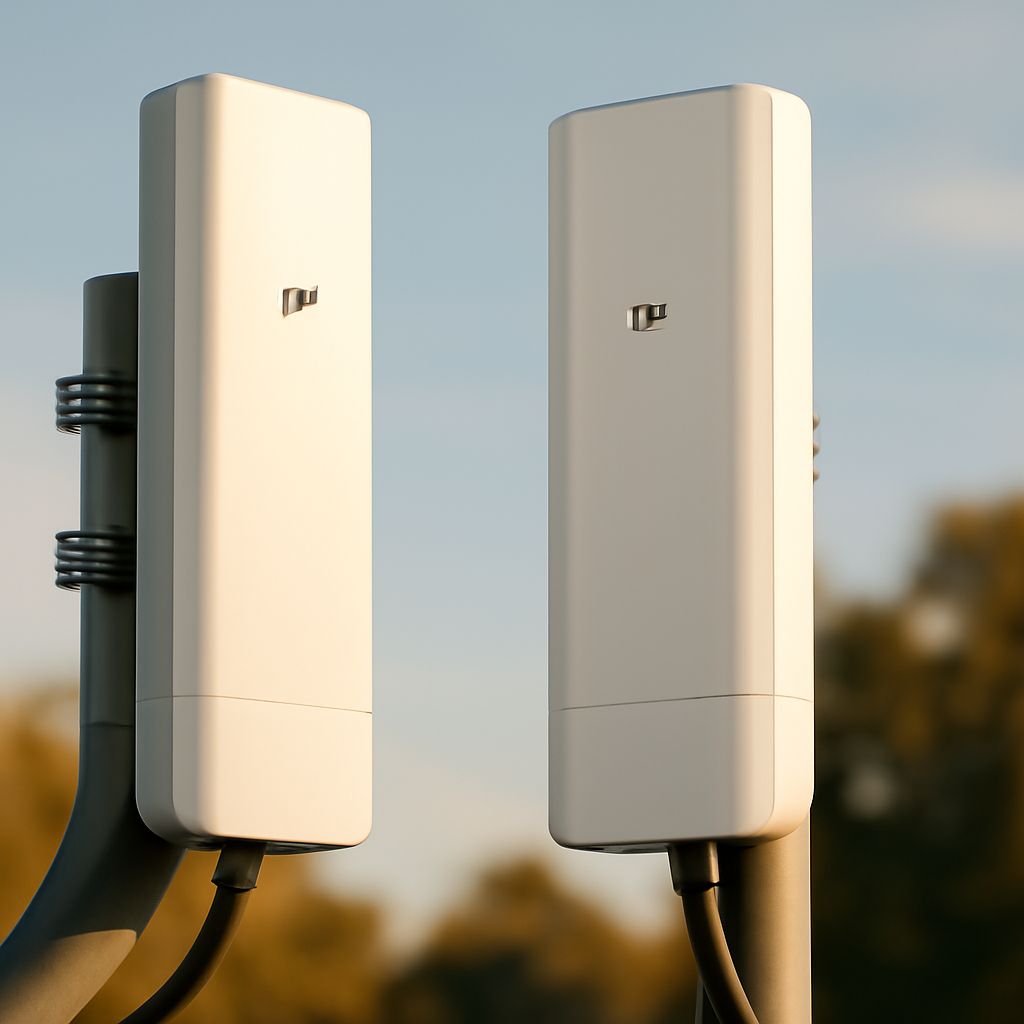
4G Internet Service: Choose Provider Access or a Wireless Bridge
4G internet service or fixed wireless internet can serve a site; use a wireless bridge between buildings with line of…
-
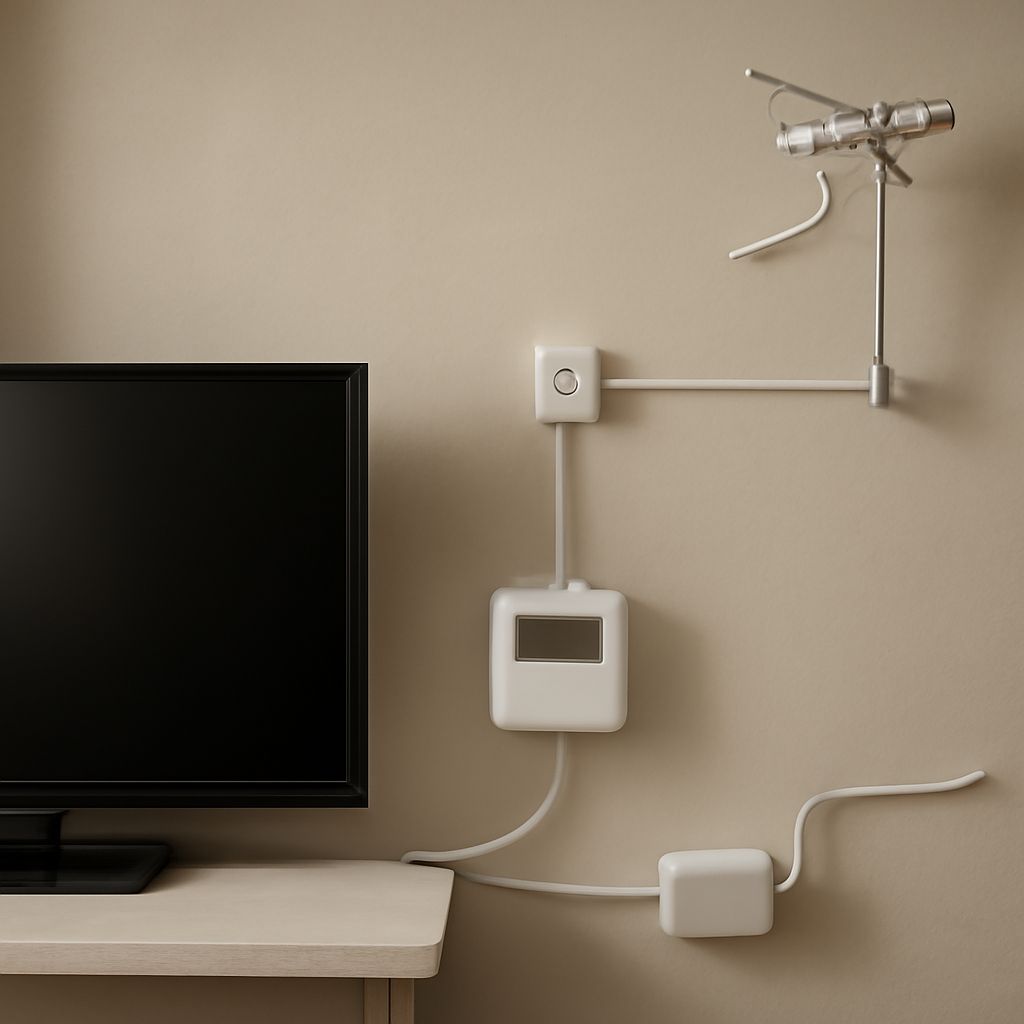
Digital TV Frequencies: How Transmission and Signal Measurement Work
Digital TV frequencies explained: follow a broadcast from transmitter to tuner, distinguish RF channels from virtual numbers, and use a…
-
How to Boost Cell Phone Signal Strength for Free: RSSI and dBm Explained
Learn what RSSI and dBm mean, how to read signal strength on your phone, and which free tests can improve…
-
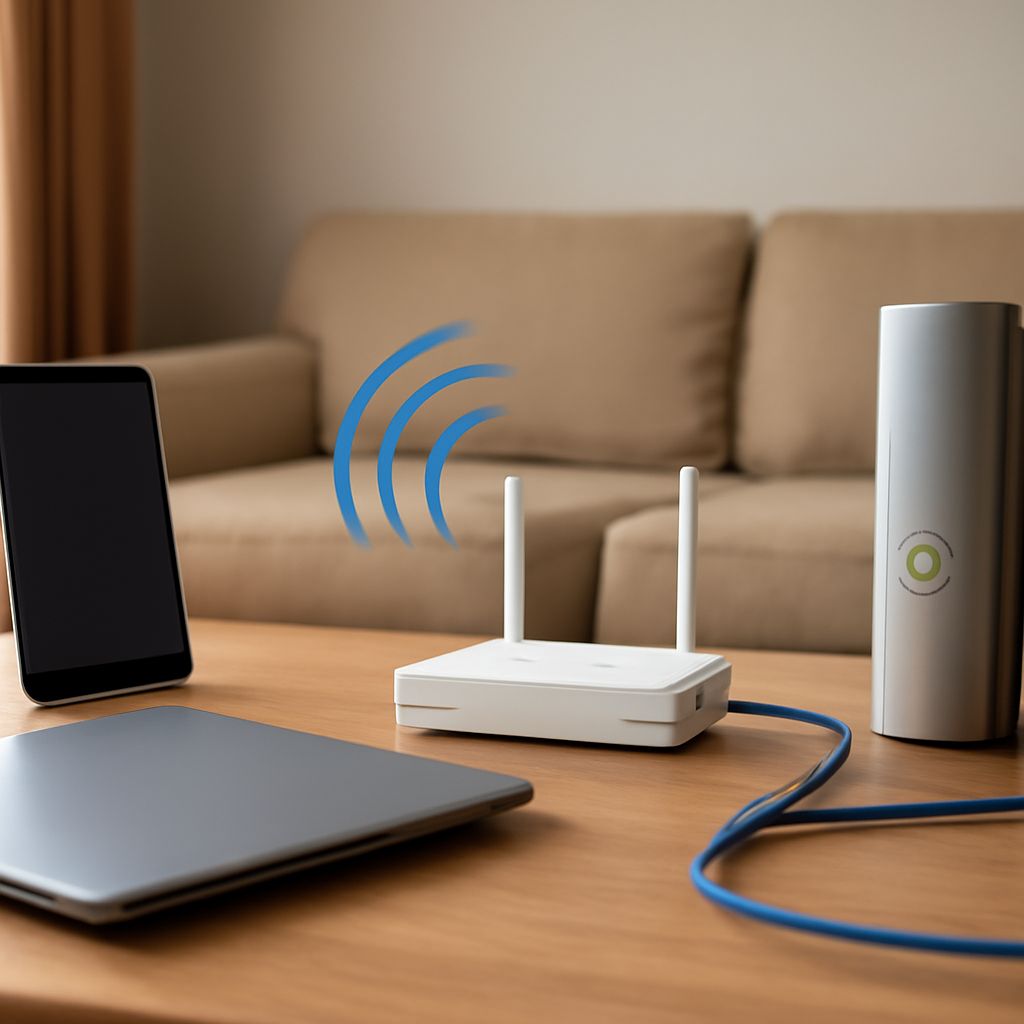
What Is WAN on a Router? Red Internet Lights and Replacement Signs
What is WAN on a router? See a red light on a modem, a red internet light on a router,…
-

Is My Wi-Fi 2.4 or 5 GHz? How to Identify Your Band and Choose a Stable 5 GHz Channel
Learn how to tell whether your device uses 2.4 or 5 GHz Wi-Fi, compare range, congestion, and compatibility, and choose…
-
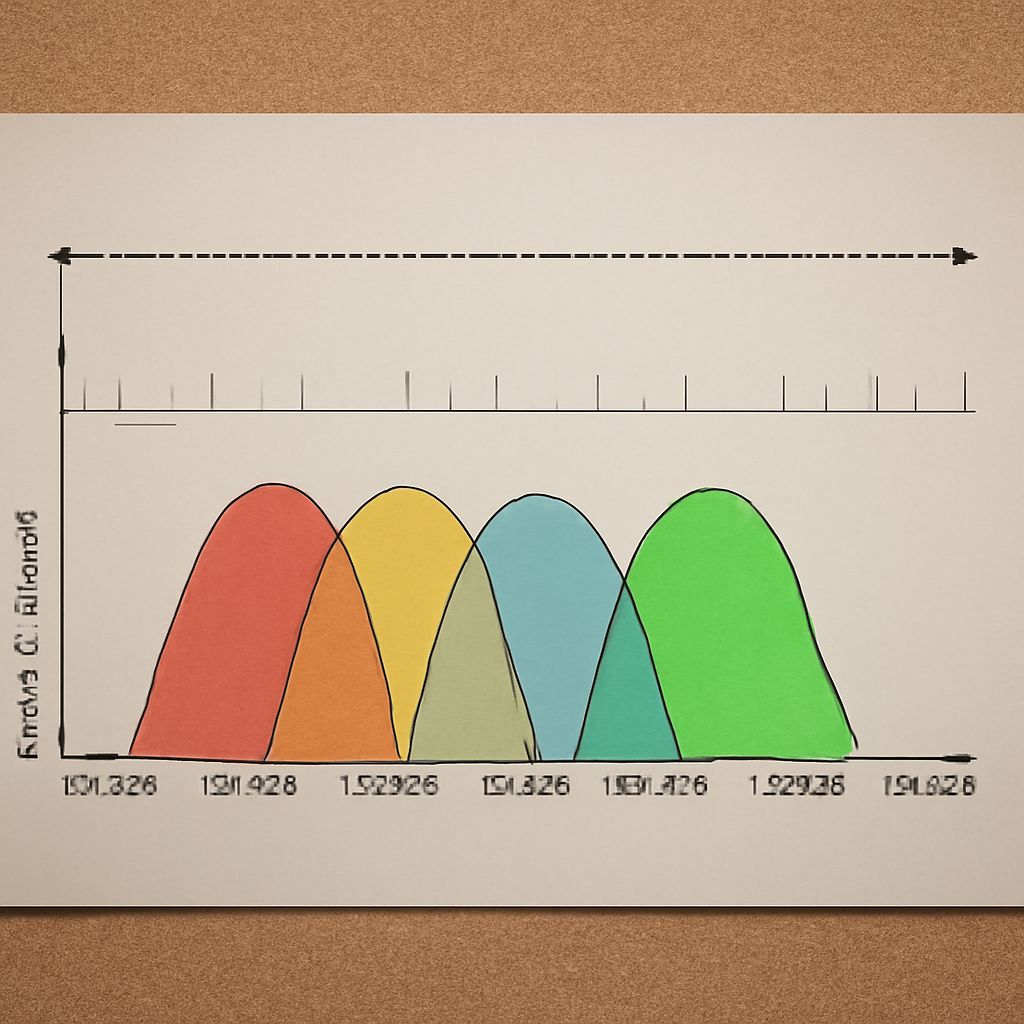
UHF Radio Range: How the Bands Affect TV Reception
UHF radio range is typically shorter and more line-of-sight than VHF at comparable sites. Compare wavelength, antenna size, terrain, building…
-
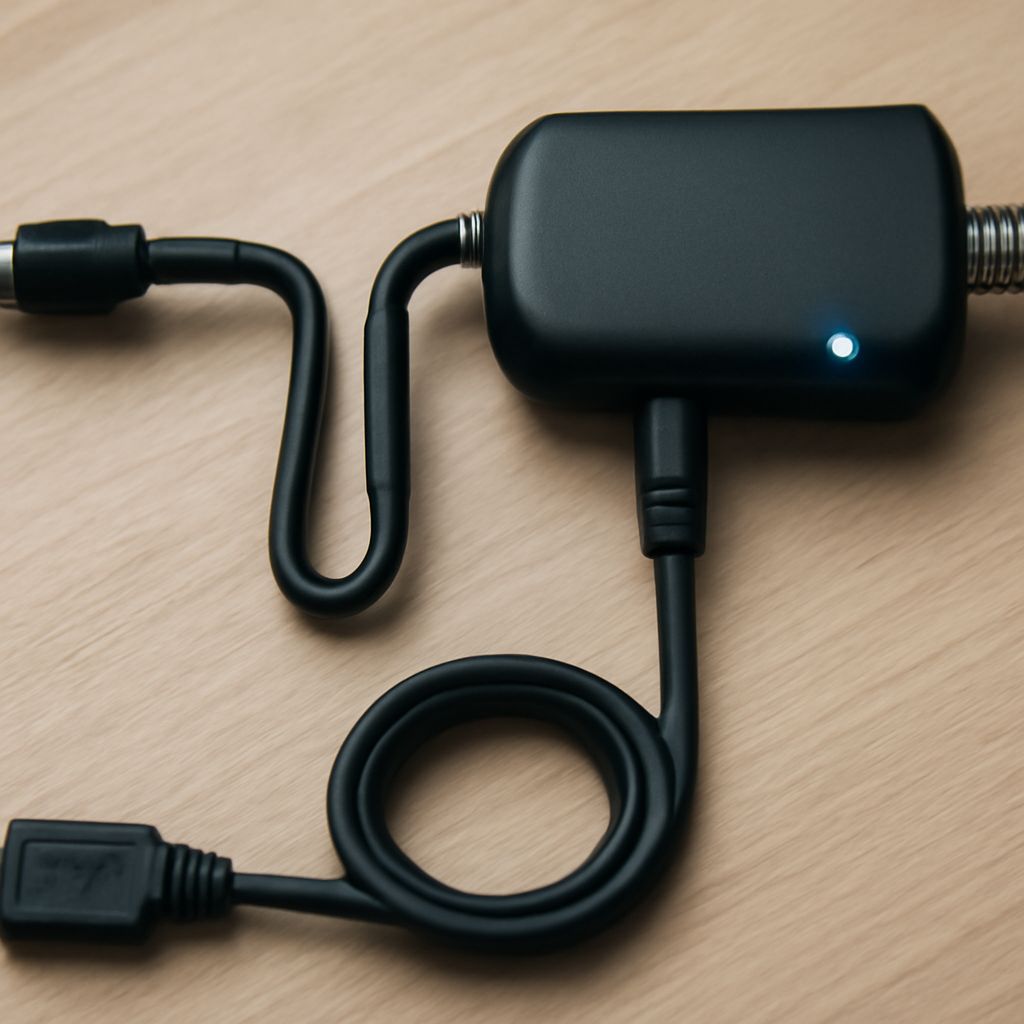
Cable TV Signal Booster Troubleshooting: Trace the Fault First
Cable TV signal booster troubleshooting starts with the source, input, scan, coax path, and signal level. Learn when amplification fixes…
-
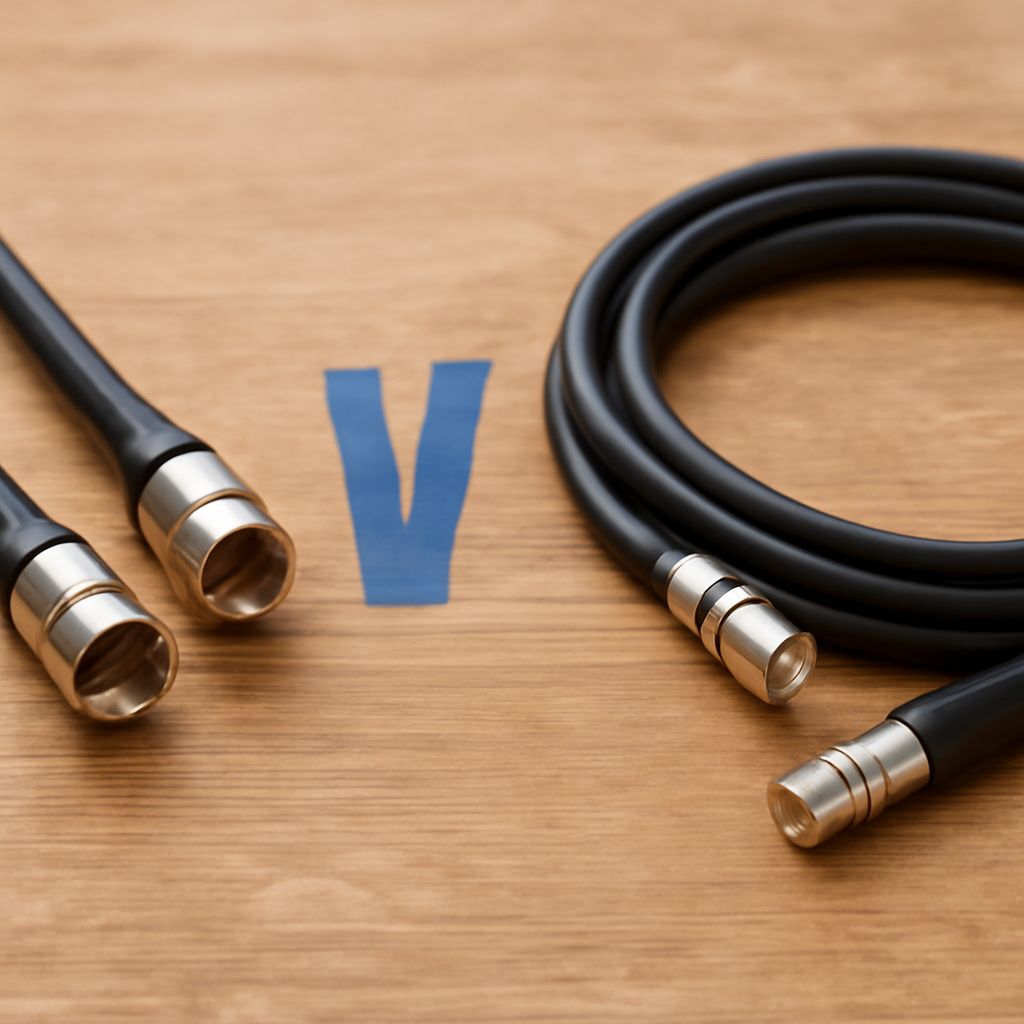
Coax Cable Connector Guide: Coax Types, Loss, and Signal Converters
Choose the right coax cable connector by matching impedance, bandwidth, frequency, and run length. Use a coax loss calculator, then…
-
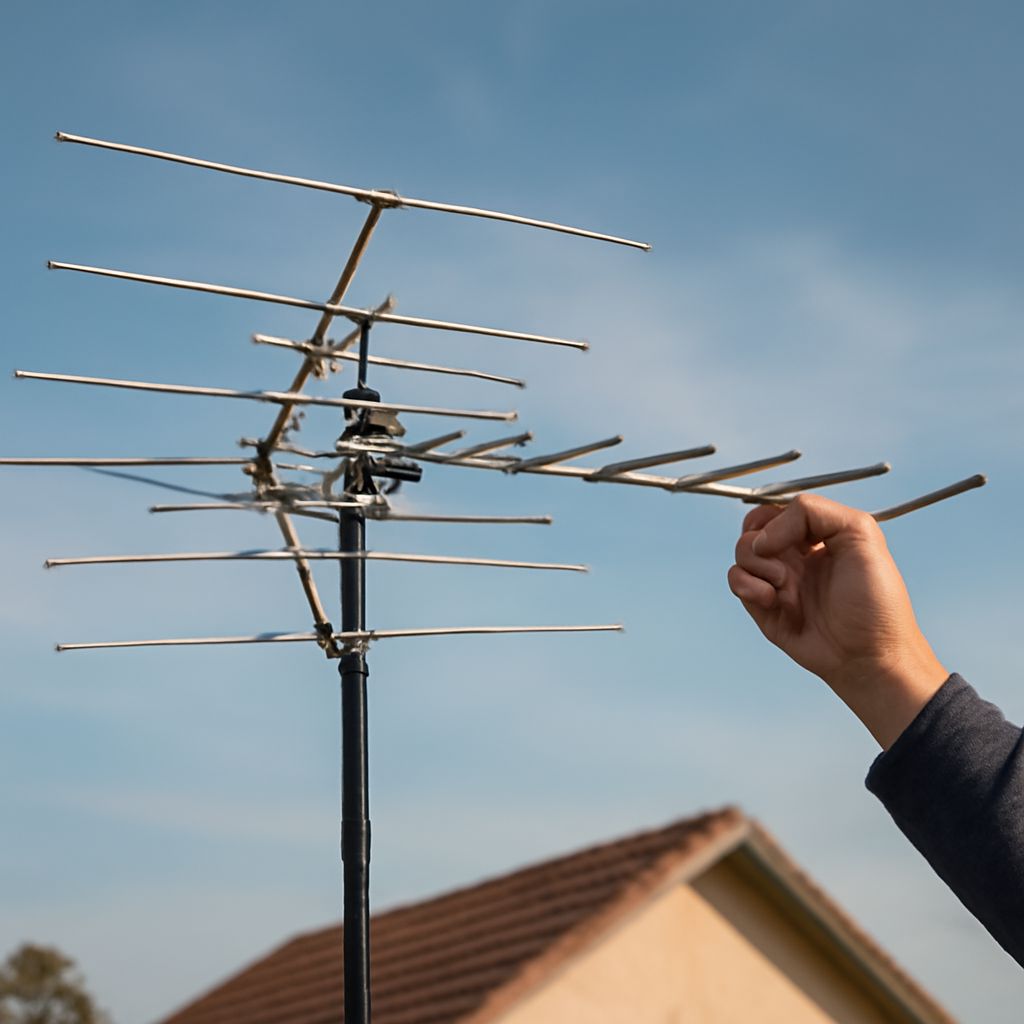
TV antenna pole guide: choose the right mast and rotor
Choose a TV antenna pole by antenna load, wind exposure, height, and access. Compare fixed and telescoping supports, then decide…

Search
Categories
- Antennas And Placement (23)
- Broadcast Bands (15)
- CB, GMRS And Ham (15)
- Cellular Internet (2)
- Coax And Signal Chain (11)
- Connection Quality (20)
- Digital TV Troubleshooting (12)
- FCC And Part 15 (1)
- Fixed Wireless (1)
- Network Performance (10)
- Radio Spectrum Basics (5)
- Router And Access Points (21)
- Rural Broadband (1)
- Signal Diagnostics (6)
- Towers And Backhaul (2)
- Wi-Fi Channel Planning (9)