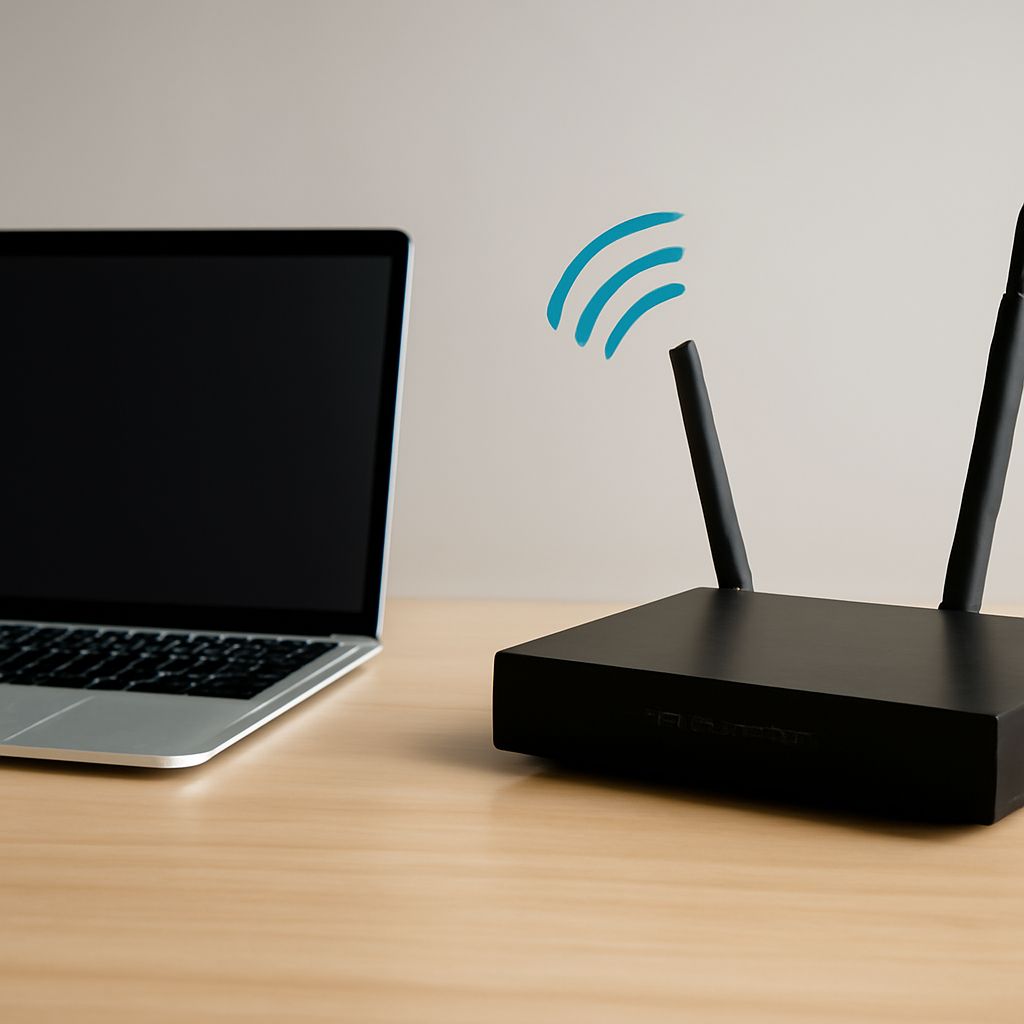
When Wi-Fi is connected but not working, first compare the affected device with another device on the same network and check the router’s internet status. This identifies whether the failure is on one device, between the device and router, or beyond the router before you reset any settings.
A Wi-Fi connection only confirms that the device has associated with the wireless network. It does not prove that the device received a local IP address, reached the router, resolved website names, or has an active internet connection.
What does it mean when Wi-Fi is connected but not working?
There are four separate layers to test:
- Wi-Fi association: The device is authenticated to the wireless network.
- Local connectivity: DHCP gives the device an IP address, subnet, and default gateway so it can reach the router.
- DNS: A DNS server converts names such as example.com into IP addresses.
- Upstream access: The router, modem, and internet provider deliver access beyond the local network.
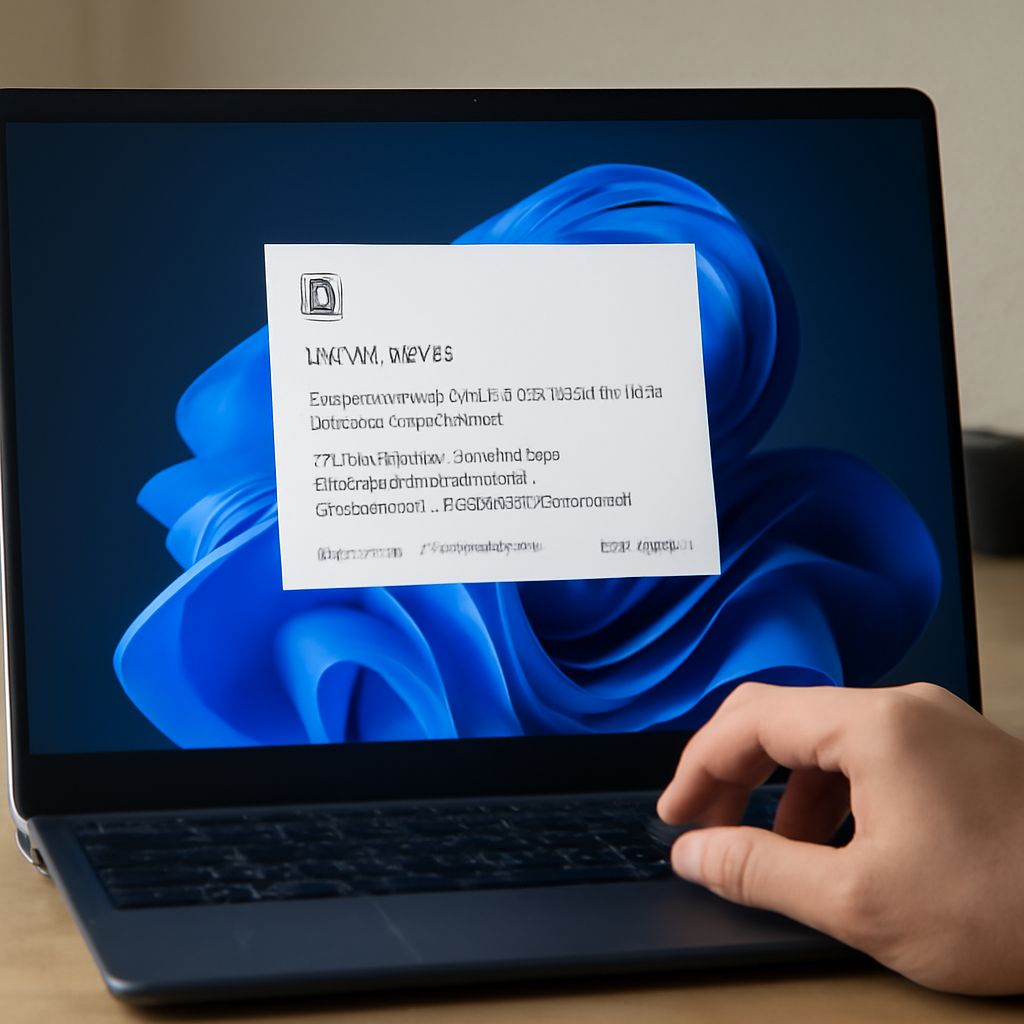
A captive portal is another possibility on hotel, airport, school, or public Wi-Fi. The device may connect normally but require a sign-in or terms-of-service page before allowing internet traffic. Open a browser and look for the network’s login page, or disconnect any VPN temporarily while testing.
What should you check when a computer is connected to Wi-Fi but has no internet?
Test another phone, laptop, or tablet on the same Wi-Fi. If other devices browse normally, the problem is specific to the computer. If every wireless device fails, focus on the router, modem, or provider.
If possible, connect the computer to the router with an Ethernet cable. Working Ethernet with failed Wi-Fi points to wireless interference, an adapter problem, or a Wi-Fi configuration issue. If both wired and wireless devices fail, the fault is probably at the router or upstream.
On the affected computer, inspect its network details. In Windows, run ipconfig; on macOS, open the connected network’s TCP/IP settings. Confirm that:
- The IP address is a private address such as 192.168.x.x or 10.x.x.x. An address beginning 169.254 usually means DHCP failed.
- A default gateway is present. The gateway is normally the router’s local address.
- DNS server addresses are listed.
Try opening the gateway address in a browser. If the router page opens, local IP connectivity works and the failure is beyond the computer-to-router link. Renew the DHCP lease, ensure IPv4 and DNS are set to automatic unless your network requires manual values, then reconnect to Wi-Fi. Avoid forgetting the network until you have recorded any custom settings.
What if Wi-Fi is working but has no internet because of DNS or the router?
Use the router’s status or internet page to check its WAN or upstream connection. A missing WAN IP address, disconnected status, failed PPPoE session, or error from the modem indicates that the router is not reaching the provider. Check the modem or fiber ONT for its online, broadband, or service light. If it reports no signal, restarting the computer will not solve the issue.
When the router has a valid WAN connection but websites still fail, test DNS. If an IP-based test succeeds but domain names do not load, DNS is the likely cause. Temporarily switch the computer to automatic DNS or a trusted public resolver, then flush its DNS cache and try again. If only one browser fails, also check its proxy, secure DNS, and extension settings.
If all devices fail over both Wi-Fi and Ethernet, check the provider’s outage page or status line from a mobile connection. A regional outage, line fault, account issue, or modem failure can produce a normal Wi-Fi connection with no internet.
Which fix matches the failed network layer?
- Captive portal: Open the sign-in page, accept the required terms, or authenticate with the supplied account.
- One computer affected: Renew DHCP, restart the network adapter, disable an incorrect VPN or proxy, and reconnect. Update or reinstall the Wi-Fi adapter driver only if other network settings are normal.
- No IP address or gateway: Restart the computer and router, confirm DHCP is enabled, and check whether another device receives an address.
- DNS failure: Restore automatic DNS or use a reliable alternate resolver, then clear the DNS cache.
- Router WAN or modem failure: Power off the modem and router for about 30 seconds. Start the modem first, wait for its online light, then start the router and allow it several minutes to reconnect.
- Provider outage or line fault: Contact the provider after confirming that both wired and wireless devices fail.
Use a factory reset only as a last resort. Before it, record the Wi-Fi name and password, WAN credentials, VLAN details, custom DNS, port forwards, and other router settings.