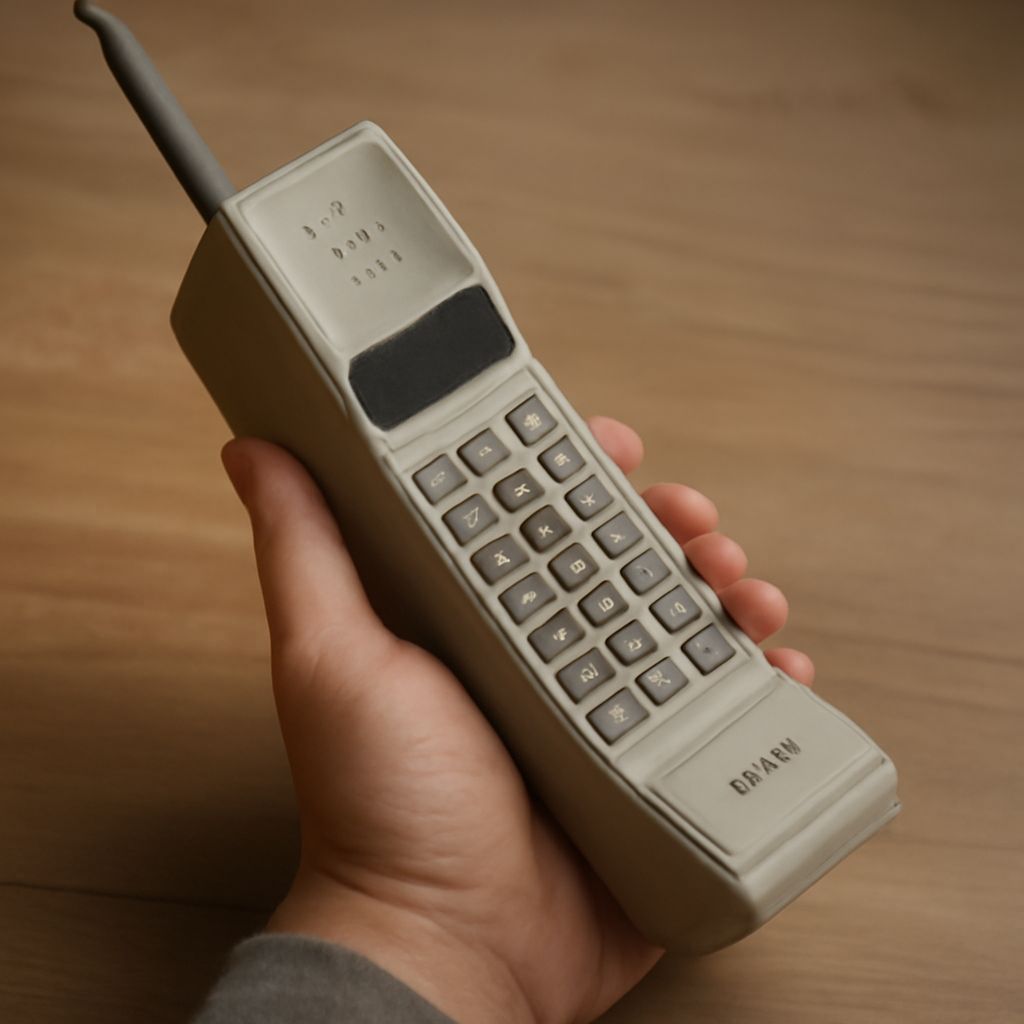
Cordless phones have revolutionized the way we communicate, providing a level of convenience and mobility that was unimaginable in the era of wired telephones. Understanding when these devices first emerged and how they evolved offers insight into their impact on modern communication. In this article, we’ll explore the history of cordless phones, including their initial introduction, the development of the first cordless phone, and how they transformed communication.
When Were Cordless Phones First Introduced?
The concept of cordless phones was introduced to the public in the early 1980s. The first cordless phones came out around 1980 and were designed to offer freedom from the constraints of wired connections. These early models operated on a low-frequency range, often around 27 MHz, which limited their range and clarity. Despite these limitations, the ability to move away from a fixed point while conversing was a groundbreaking development for consumers.
The Development of the First Cordless Phone
The development of the first cordless phone can be attributed to improvements in wireless technology and consumer demand for more flexible communication solutions. The first cordless phone that achieved significant commercial success was introduced by a company known as VTech in the mid-1980s. This device operated on a higher frequency, around 49 MHz, which allowed for a greater range and less interference compared to its predecessors. These advances marked the beginning of the rapid evolution of cordless phone technology, including the introduction of multiple channels and security features to prevent eavesdropping.
How Cordless Phones Changed Communication
Cordless phones significantly altered the landscape of personal and business communication. By eliminating the tether of a cord, users enjoyed unprecedented flexibility, allowing them to multitask while talking. This newfound mobility was particularly beneficial in domestic settings, enabling users to move freely around their homes without being tied to a single spot. In office environments, cordless phones facilitated more dynamic interactions and increased productivity as employees could easily communicate while moving between different locations.
As technology advanced, cordless phones transitioned to higher frequency bands, such as 900 MHz and later 2.4 GHz, 5.8 GHz, and DECT (Digital Enhanced Cordless Telecommunications). These improvements enhanced sound clarity, range, and security. Additionally, features such as caller ID, voicemail, and advanced answering systems were integrated, further expanding their functionality.
Overall, the introduction and development of cordless phones marked a pivotal point in the evolution of telecommunication, paving the way for the mobile communications technologies we rely on today. As wireless technology continues to advance, the legacy of the cordless phone remains evident in the seamless and connected world we experience in our daily lives.