In today’s interconnected world, reliable cabling is vital for efficient data transmission. One popular choice among network professionals is the unshielded twisted pair cable, commonly known as UTP cable. This article explores the functionality, benefits, and installation of UTP cabling, providing insights on why it remains a preferred option over other types of cables.
What is Cable UTP and How Does it Work?
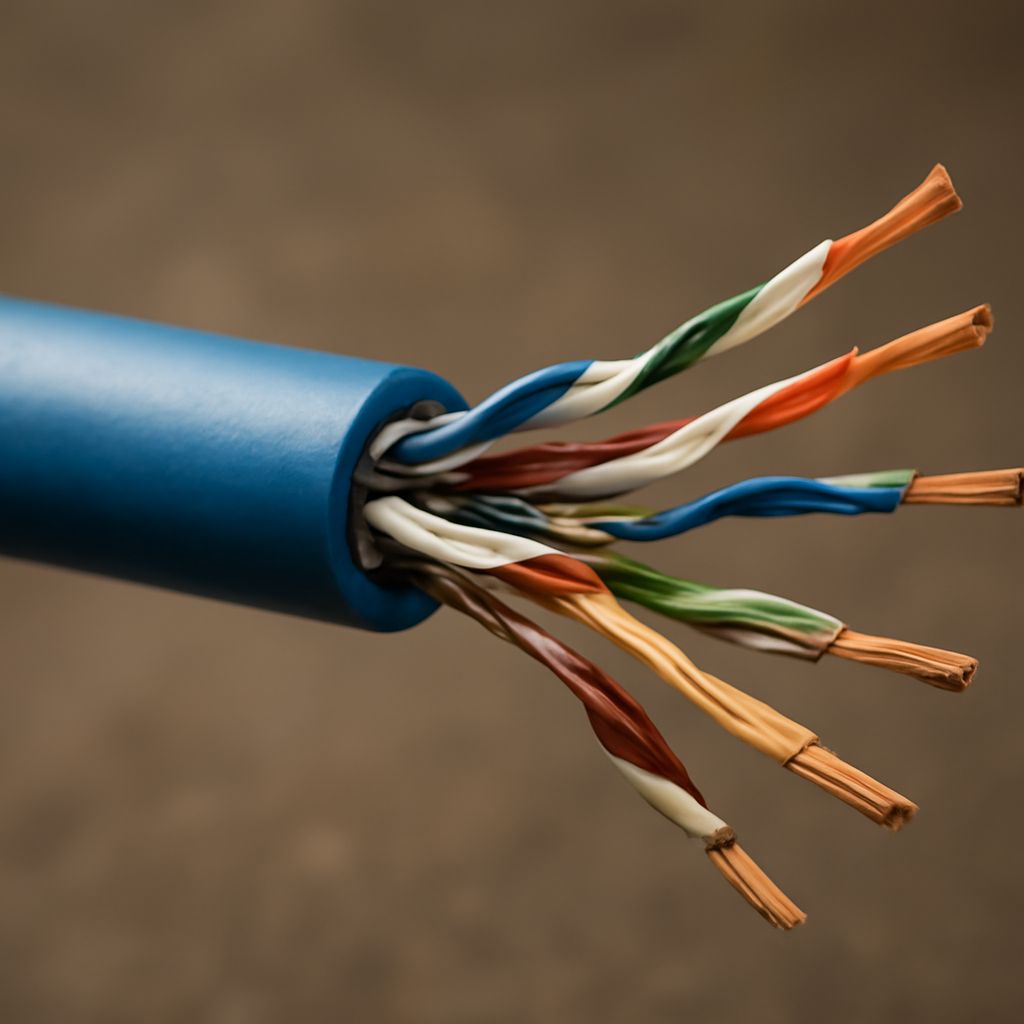
Cable UTP, or unshielded twisted pair cable, is a type of wiring commonly used in telecommunications and computer networking. It consists of pairs of twisted copper wires without any additional shielding, which helps mitigate electromagnetic interference. The twisting of the wires is crucial as it reduces crosstalk between pairs and external sources of interference.
The functionality of UTP cabling lies in its design. Each pair of wires transmits signals that carry data, voice, or video information. The lack of shielding makes it lighter and more flexible, ideal for a wide range of applications, including connecting computers, routers, and network switches. It’s particularly effective in short to medium-distance communication.
How to Install UTP Cabling for Optimal Performance
Installing UTP cabling correctly is essential for ensuring optimal performance and minimizing data transmission errors. Here are some steps and tips for effective installation:
- Plan the Layout: Before installation, chart out the network layout to determine the total cable length and routing paths. Avoid areas with high electromagnetic interference.
- Choose the Right Category: UTP cables come in various categories, such as Cat 5e, Cat 6, and Cat 6a, each offering different bandwidths and data rates. Select the category based on your specific network needs.
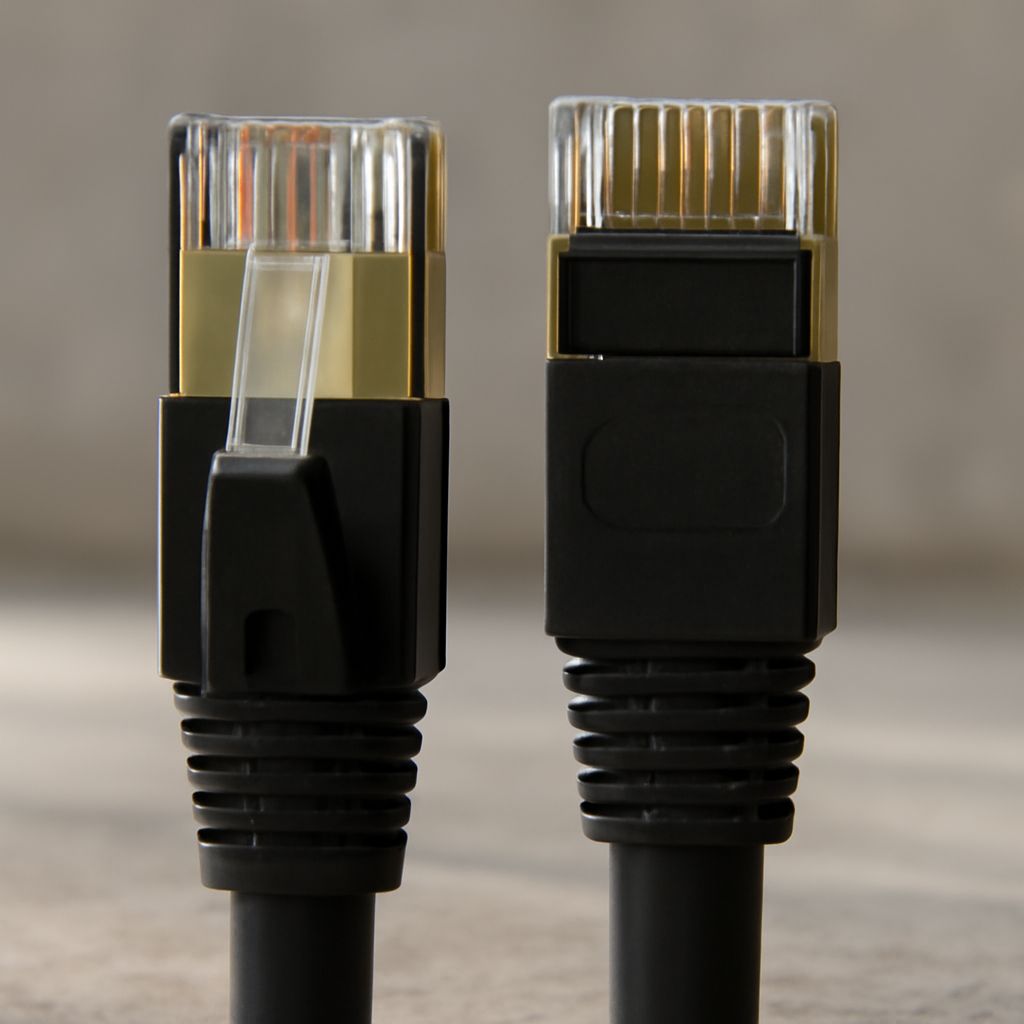
- Ensure Proper Termination: Use appropriate tools to terminate the cables at both ends with connectors like RJ-45. Proper termination ensures good contact and reduces signal loss.
- Maintain Twists: While stripping the cable, maintain the twists as close to the termination point as possible to prevent interference.
- Test the Network: After installation, use a cable tester to verify the integrity of connections and identify any faults or miswirings.
Why Choose Unshielded Twisted Pair Cable Over Other Types?
There are several reasons to opt for unshielded twisted pair cable compared to other cabling types, such as shielded twisted pair (STP) or fiber optics:
- Cost-effectiveness: UTP cables are generally more affordable than STP or fiber optics, making them an economical choice for many businesses.
- Ease of Installation: The lighter and flexible nature of UTP cables simplifies installation and handling compared to bulkier shielded cables.
- Versatility: UTP cabling is suitable for various applications, including voice, data, and video transmission. It is compatible with a wide range of networking equipment.
- Performance: For most office and residential environments, UTP cables provide sufficient performance, supporting speeds up to 1 Gbps for Cat 5e and higher for Cat 6 and 6a.
Overall, unshielded twisted pair cable remains a staple in networking due to its balance of performance, cost, and ease of use.