ATV tracks and side by side tracks open up new possibilities for off-road vehicles, letting you tackle deep snow, mud, swamps, and rough terrain that would stop regular tires in their tracks. If you’re considering an upgrade, understanding the differences between these track systems is crucial for maximizing your vehicle’s performance and getting the most value from your investment. Below, we break down how each system works, what sets them apart, and how to choose the best option for your needs.
What Are ATV Tracks and How Do They Work?
ATV tracks are specialized track systems designed to replace the standard wheels on an all-terrain vehicle (ATV). A typical kit includes four triangular track assemblies—one for each corner—each featuring a tough, rubberized tread looped around a set of wheels and rollers. This setup distributes the ATV’s weight over a much larger surface area than tires, significantly increasing flotation and reducing ground pressure. The result: you can travel over snow, marsh, sand, and mud that would otherwise leave you stuck.
Installing ATV tracks typically involves removing the wheels and bolting the tracks onto the existing hubs, sometimes with additional brackets or adapters. Most modern systems, such as those from Camso, Kimpex, and Apache, maintain the ATV’s 4×4 drive system, letting the tracks spin with the same power and torque distribution you’d get on tires. Steering remains responsive, though it requires more effort due to increased surface contact and resistance.
Key advantages of ATV tracks include:
- Enhanced traction: The long, continuous tread grips loose or slippery surfaces much better than tires.
- Superior flotation: By spreading out the weight, tracks keep your ATV from sinking in soft conditions.
- Seasonal versatility: Tracks are popular for winter snow riding, but many kits also excel in mud and wetlands.
However, ATV tracks do add weight and rolling resistance, which can reduce top speed and put extra strain on the vehicle’s drivetrain. Most riders use tracks seasonally or for specific tasks—like ice fishing, hunting, or farm work—then swap back to tires when not needed.
How Do Side by Side Tracks Differ from ATV Tracks?
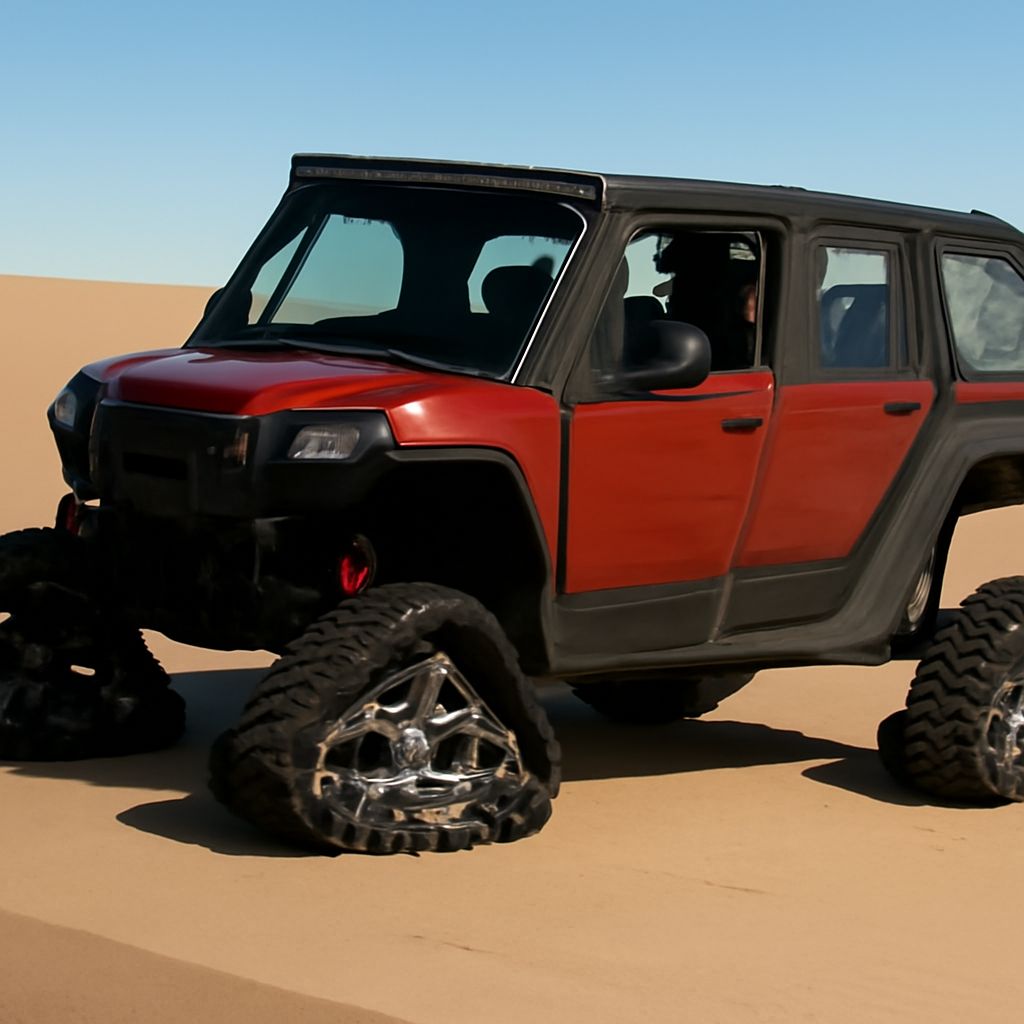
Side by side tracks (SxS tracks or UTV tracks) are track systems engineered for larger, heavier utility vehicles—namely side by sides (UTVs) with seating for two or more. While the fundamental concept matches that of ATV tracks, there are key differences in design and performance. Side by side tracks are built to handle greater vehicle weight, provide stability for wider machines, and accommodate more demanding loads.
The typical side by side tracks kit is bulkier and heavier than an ATV setup. The tracks themselves are wider and longer, increasing ground contact and flotation. Some systems, like the Camso UTV 4S1 or Kimpex Commander WS4, add reinforced drive sprockets, upgraded bearings, and stronger idler wheels to withstand the additional stress. The mounting process is similar—removing wheels and installing tracks at each hub—but the hardware and adapters are reinforced for higher payload and torque.
Because side by sides often carry passengers or cargo, their tracks must deliver greater stability and even weight distribution. This translates to a smoother ride over rough terrain, better handling of slopes, and improved safety under load. However, the larger mass means side by side tracks require more engine power to maintain speed and maneuverability, and installation usually takes a bit longer due to their size.
While some manufacturers offer universal track kits, most side by side tracks are vehicle-specific, engineered to match a particular UTV’s wheelbase, weight, and drivetrain. Always check compatibility before purchasing to ensure optimal fit and function.
Which Track System Is Right for Your Off-Road Vehicle?
The choice between ATV tracks and side by side tracks depends on your vehicle type and your riding priorities. If you ride a single-seat or small two-up ATV, ATV tracks are the clear match. They’re lighter, easier to install, and deliver excellent agility and flotation for one or two riders. ATV tracks are ideal for solo adventure, winter chores, or exploring tight trails where maneuverability is key.
If you own a side by side, especially one used for work or group outings, side by side tracks are essential. They offer the extra flotation, weight capacity, and stability needed to carry passengers, tow equipment, or tackle large snow drifts. The higher ground clearance and broader footprint of SxS tracks enhance both safety and comfort on uneven terrain.
For families, ranchers, or outdoor crews who demand all-season access, a UTV with tracks provides unmatched capability. Consider your typical trail conditions, load requirements, and the terrain you most often face—deep snow, muskeg bogs, sandy riverbanks, or forest trails—when making your decision.
Remember that both systems reduce road speed and increase fuel consumption compared to stock tires. If your priorities include trail speed or long-distance travel, you may want to retain a set of wheels for three-season riding and swap on tracks for winter or wet-season adventures.
What Should You Consider Before Buying ATV or Side by Side Tracks?
Before investing in ATV tracks or side by side tracks, weigh these practical factors to get the right system for your needs:
- Compatibility: Confirm the track kit is designed for your exact make, model, and year. Manufacturers often list supported vehicles online or through dealers.
- Installation: Track kits can be installed at home with mechanical skill, but require time and sometimes specialized tools. Professional installation is recommended for side by side tracks or frequent swaps.
- Terrain: Match the tread pattern and track width to your most common conditions. Deep-lug tracks excel in snow, while all-terrain models balance mud, grass, and rocks.
- Maintenance: Tracks demand regular inspection for tension, wheel wear, and debris buildup. Keep an eye on drive sprockets and bearings, especially after heavy use.
- Budget: Quality ATV track kits typically start around $3,000–$4,500, while side by side tracks can run $4,500–$6,000+ depending on vehicle size and brand.
- Warranty & support: Established brands like Camso, Kimpex, and Apache provide robust warranties and dealer networks for parts and troubleshooting.
Upgrading to tracks transforms your off-road experience by unlocking new seasons, terrain, and work capabilities for your ATV or side by side. Understanding the differences in design, compatibility, and performance is key to making the right choice for your adventure or workload.