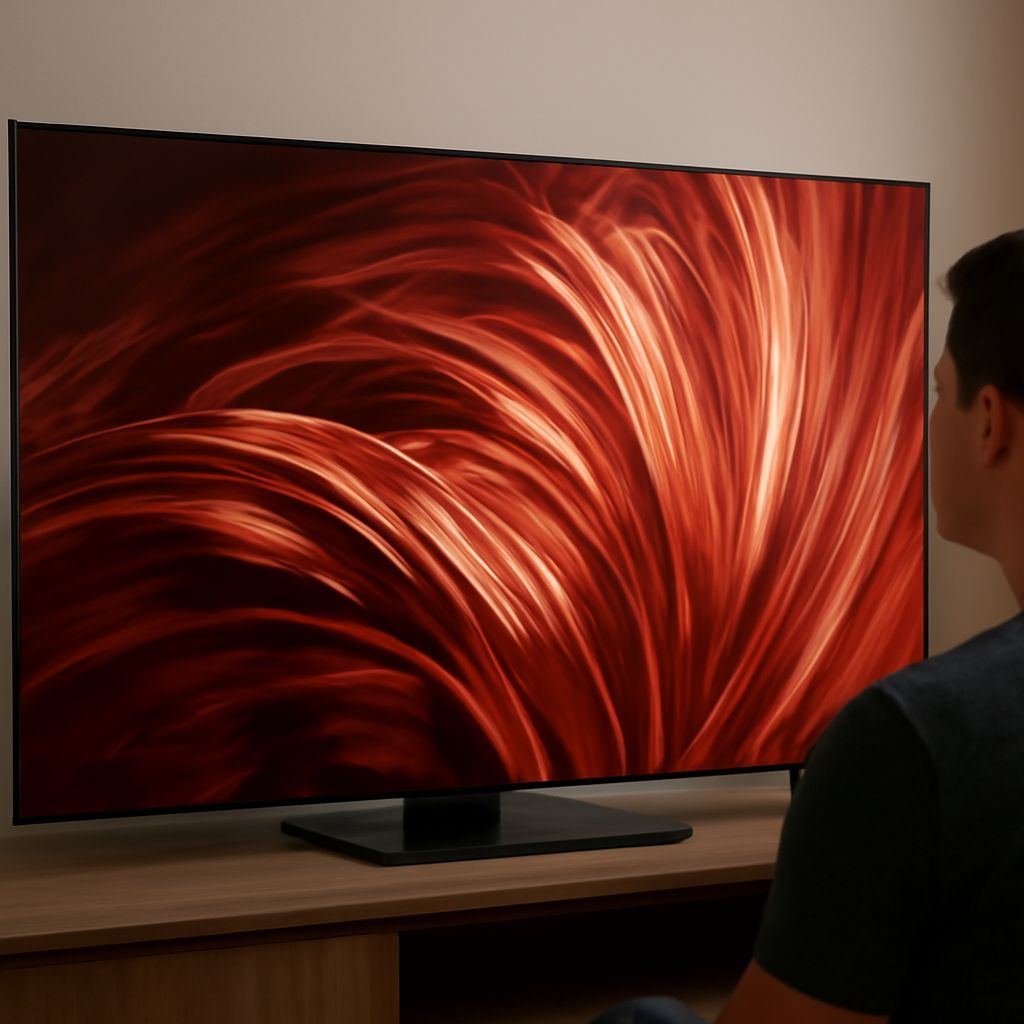
OLED TVs are renowned for their exceptional picture quality, but how long do OLED TVs last? Understanding the OLED lifespan can help you make informed decisions about your TV investments. In this article, we’ll explore the typical lifespan of OLED TVs, factors affecting their longevity, tips to maximize their lifespan, and a comparison with other TV technologies.
What Is the Typical Lifespan of an OLED TV?
The typical lifespan of an OLED TV is around 30,000 to 100,000 hours, depending on usage patterns and advancements in technology. At 5 hours of daily usage, this translates to about 16 to 54 years. However, the brightness and color performance may gradually diminish over time.
Factors That Affect OLED TV Longevity
Several factors contribute to the lifespan of an OLED TV:
- Usage Patterns: Extended and continuous usage can lead to faster wear, particularly affecting brightness and color balance.
- Brightness Settings: Higher brightness settings can accelerate pixel aging, reducing overall lifespan.
- Content Type: Static images or content with fixed elements (like logos) can lead to image retention, impacting longevity.
- Environmental Conditions: High temperature and humidity levels can negatively affect the TV’s components.
How to Maximize Your OLED TV’s Lifespan
Here are some tips to extend the life of your OLED TV:
- Adjust Brightness: Keep brightness settings at a moderate level to reduce strain on the pixels.
- Use Pixel Refresher: Many OLED TVs come with a built-in pixel refresher feature to help maintain image quality and prolong lifespan.
- Avoid Static Content: Minimize the display of static images and use screen savers to prevent image retention.
- Maintain Proper Environment: Ensure the TV is in a well-ventilated area away from direct sunlight and extreme temperatures.
Comparing OLED Lifespan to Other TV Technologies
When comparing OLED lifespan to other TV technologies, it’s important to consider both longevity and performance quality:
- LED/LCD TVs: Typically offer a similar lifespan range but may not match OLED’s superior color accuracy and black levels.
- Plasma TVs: Generally have a shorter lifespan and are less energy-efficient compared to OLEDs.
- QLED TVs: Provide enhanced brightness and color volume but also face issues with longevity at higher brightness settings.
While OLED TVs may not last as long as some alternatives in absolute terms, their picture quality remains unrivaled, making them a popular choice for home entertainment enthusiasts.