Oxygen masks are essential medical devices used to deliver supplemental oxygen to individuals who need respiratory support. The types of oxygen masks available vary in design, material, and intended use, making it important to understand the differences for optimal care. This guide explains the main types of oxygen masks, how they function, which options are best for specific situations, and what to consider when choosing among them.
What are the main types of oxygen masks?
There are several main types of oxygen masks commonly used in medical and emergency settings. Each type is designed for specific therapeutic goals, patient needs, and oxygen delivery methods:
- Simple Face Mask: The simple face mask is a basic device made of soft plastic that covers the nose and mouth. It is used to deliver moderate concentrations of oxygen, typically between 35% and 55% oxygen at flow rates of 5-10 liters per minute.
- Nasal Cannula: While not technically a mask, the nasal cannula is often included in discussions of oxygen delivery devices. It consists of two small prongs that rest in the nostrils, offering lower concentrations of oxygen (up to about 44%) at flow rates of 1-6 liters per minute. Its lightweight design allows patients to talk and eat easily.
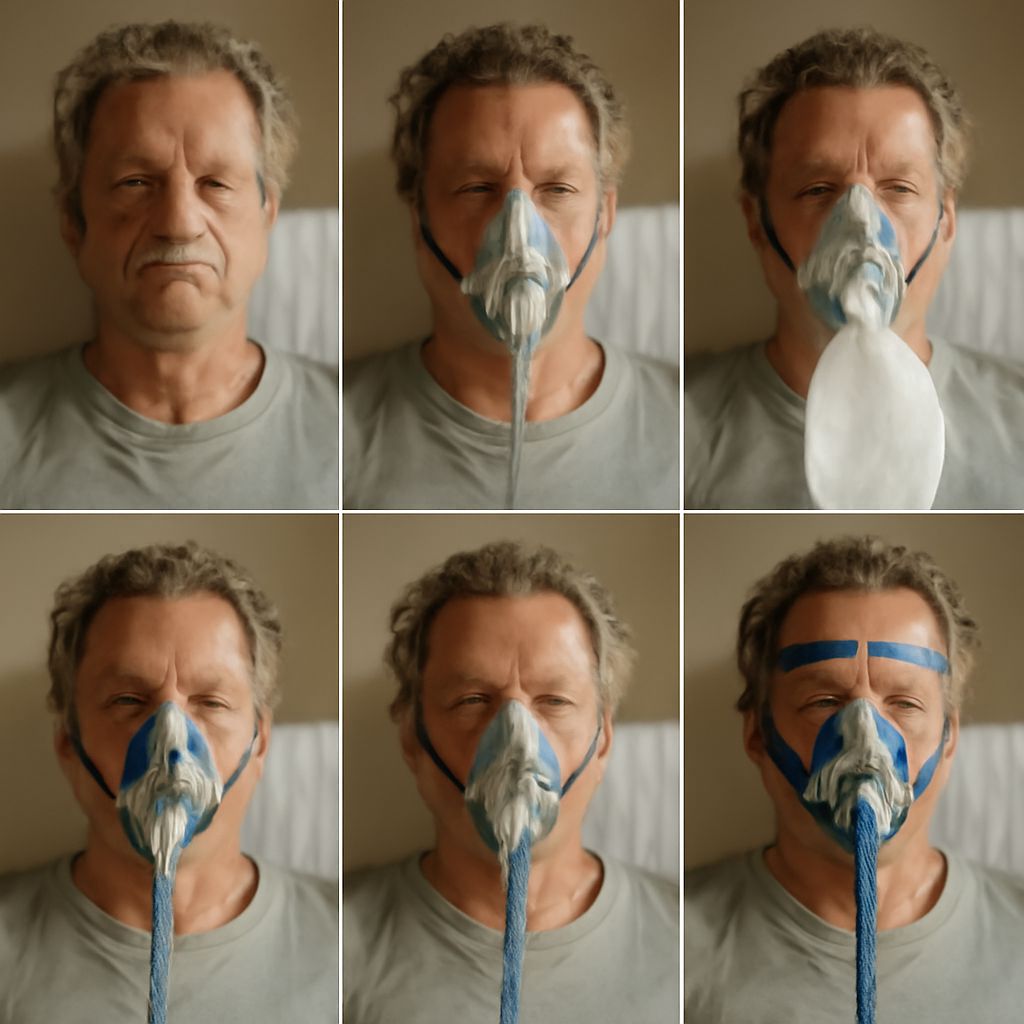
- Non-Rebreather Mask (NRB): The non-rebreather mask is designed for high-concentration oxygen delivery. It features a one-way valve and an attached reservoir bag, supplying up to 90-100% oxygen at flow rates of 10-15 liters per minute. It is commonly used in emergencies such as severe hypoxia or trauma.
- Venturi Mask: The Venturi mask provides a precise oxygen concentration. It uses color-coded adapters (Venturi valves) that mix oxygen with room air, delivering specific concentrations—usually 24%, 28%, 31%, 35%, 40%, or 50%—at controlled flow rates. This type is useful for patients who require controlled oxygen therapy, especially those with chronic obstructive pulmonary disease (COPD).
- Partial Rebreather Mask: This mask is similar to the non-rebreather but lacks one-way valves, allowing some exhaled air to mix with oxygen in the reservoir bag. It delivers 60-80% oxygen at flow rates of 6-10 liters per minute, suitable for moderate oxygen needs.
- High-Flow Oxygen Masks: These include advanced systems like high-flow nasal cannula oxygen therapy, offering heated and humidified oxygen at much higher flow rates. They are often used for patients with significant respiratory distress or high oxygen demands.
Understanding the different oxygen masks and their functions helps medical professionals and caregivers select the most appropriate device for each patient.
How do different oxygen masks work?
Oxygen masks operate by delivering a controlled flow of oxygen from a source—typically an oxygen tank or wall outlet—directly to the patient’s airway. Each mask design manages airflow, oxygen concentration, and exhaled gases differently:
- Simple Face Mask: Oxygen enters through tubing attached to the mask and mixes with room air. The mask covers both the mouth and nose, ensuring most inhaled air is oxygen-rich. However, exhaled air escapes through side ports, so some room air is always mixed in.
- Nasal Cannula: This device delivers oxygen directly into the nostrils. Its open system allows ambient air to be inhaled alongside supplemental oxygen. This results in variable oxygen delivery, influenced by the patient’s breathing pattern and mouth breathing.
- Non-Rebreather Mask: The attached reservoir bag fills with pure oxygen. One-way valves prevent the patient from inhaling exhaled air or room air, resulting in almost 100% oxygen delivery. Exhaled air exits through dedicated ports, minimizing rebreathing of carbon dioxide.
- Venturi Mask: The Venturi system draws in precise amounts of room air through specific adapters, mixing it with oxygen to achieve an exact concentration. This is critical for patients who may suffer complications if oxygen percentages fluctuate.
- Partial Rebreather Mask: The mask’s reservoir bag collects part of the exhaled air, which contains some oxygen, mixing it with fresh oxygen for inhalation. This system provides higher oxygen concentrations than simple masks but is less controlled than Venturi or non-rebreather masks.
- High-Flow Systems: High-flow devices deliver warmed, humidified oxygen at rates up to 60 liters per minute. These systems ensure that inspiratory demands are met even during distress, reducing work of breathing and improving oxygenation.
The efficiency and oxygen concentration delivered by each mask depend on its design, fit, oxygen flow rate, and patient breathing patterns.
Which oxygen mask is best for specific needs?
The choice of oxygen mask depends on the patient’s clinical condition, required oxygen concentration, and comfort:
- Simple Face Mask: Suitable for patients needing moderate oxygen supplementation, such as those with mild respiratory distress or after surgery.
- Nasal Cannula: Ideal for patients who only require a low or variable oxygen flow, such as those with mild hypoxemia or those needing oxygen therapy at home. Its comfort and ease of use make it the preferred device for long-term therapy.
- Non-Rebreather Mask: Best for emergencies requiring rapid, high-concentration oxygen delivery, such as acute respiratory failure, severe trauma, or shock.
- Venturi Mask: The top choice for patients with COPD or chronic respiratory diseases where precise control of oxygen concentration is essential to prevent worsening hypercapnia or CO2 retention.
- Partial Rebreather Mask: Useful for patients who need more oxygen than a simple mask provides but do not require full non-rebreather levels.
- High-Flow Oxygen Systems: Reserved for critically ill patients, such as those with acute hypoxemic respiratory failure, where conventional masks are insufficient.
Healthcare providers assess the specific medical scenario, monitoring patient response to adjust the oxygen delivery device as needed.
What factors should you consider when choosing an oxygen mask?
Selecting the right oxygen mask involves more than matching the device to the oxygen concentration needed. Considerations include:
- Required Oxygen Concentration: Precise medical indications determine whether low, moderate, or high concentrations are needed.
- Patient Comfort and Tolerance: Long-term oxygen therapy often favors nasal cannulas or soft masks to minimize skin irritation and discomfort.
- Mask Fit and Seal: A proper fit ensures effective oxygen delivery and reduces the risk of leaks or skin breakdown. Pediatric and adult sizes must be available as appropriate.
- Mobility and Communication: Some masks restrict speaking, eating, or mobility. Nasal cannulas offer the most flexibility for active or communicative patients.
- Humidification Needs: High-flow oxygen can dry airways, so humidification is important for patient comfort, especially over prolonged periods.
- Infection Control: Single-use disposable masks reduce infection risk, while reusable devices must be cleaned thoroughly between uses.
- Clinical Setting: Home, hospital, and pre-hospital (ambulance) environments may have different requirements for portability, ease of use, and robustness.
Weighing these factors alongside the types of oxygen masks available ensures the most effective and comfortable therapy for each patient’s condition.