Booster seats are an essential part of ensuring child safety in cars, serving as a transition between a car seat and a regular seatbelt. Understanding what a booster seat is, the recommended height for using one, and how car seat dimensions can impact their fit are crucial factors when selecting the right booster seat for your child. This guide will provide you with all the necessary information to make an informed decision.
What is a Booster Seat?
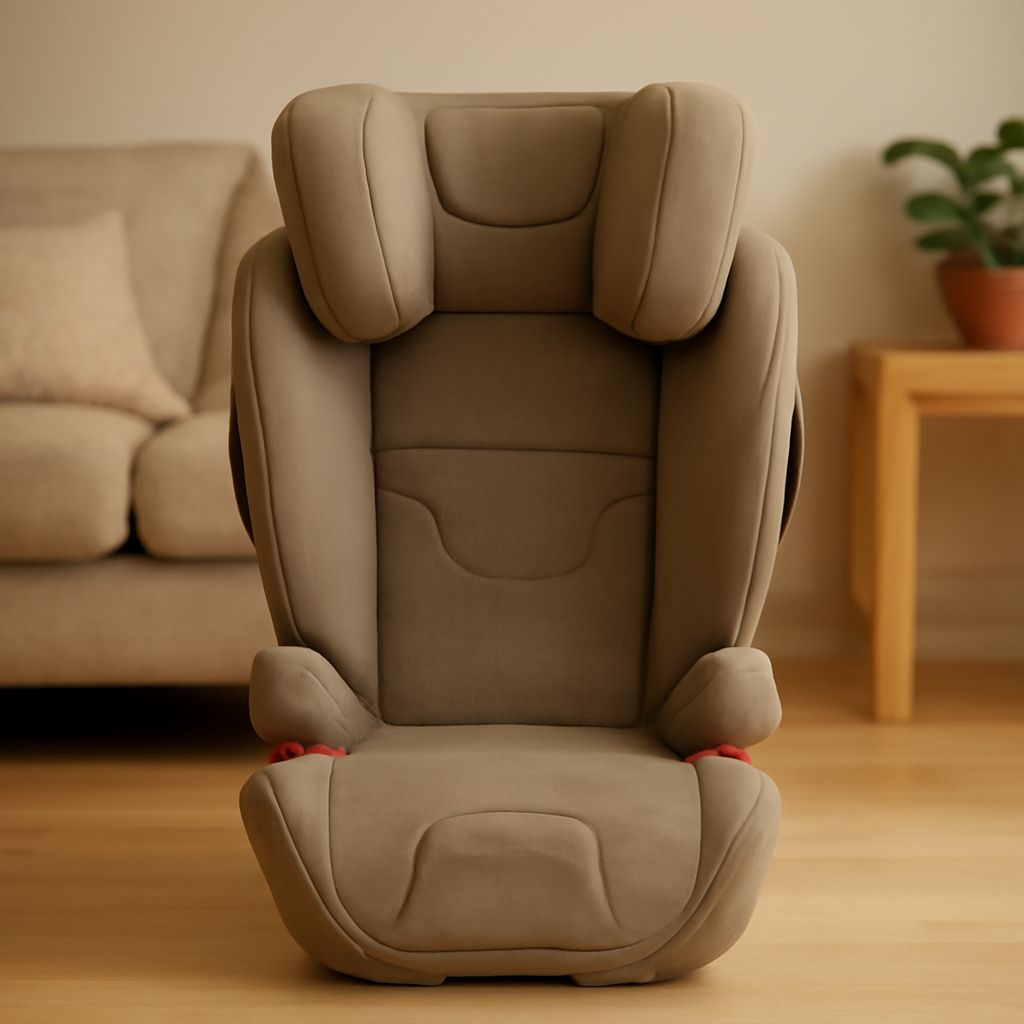
A booster seat is a device designed to elevate children in a vehicle so that the seatbelt fits properly over the stronger parts of their body, such as the chest and hips, rather than their neck and abdomen. Booster seats are typically used when a child has outgrown a forward-facing car seat but is still too small to use an adult seatbelt alone. These seats are usually intended for children aged 4 to 12 years, depending on their size and the specific seat requirements.
What is the Recommended Height for a Booster Seat?
The recommended height for a child to use a booster seat varies, but generally, children should continue to use a booster seat until they are at least 4 feet 9 inches tall (approximately 145 cm). This height ensures that the seatbelt fits correctly, as the lap belt should rest across the upper thighs, not the stomach, and the shoulder belt should lie across the shoulder and chest, not the neck or face. While age can be a factor, the child’s height and weight are the most important criteria for determining booster seat usage.
How Do Car Seat Dimensions Affect Booster Seat Fit?
Car seat dimensions play a significant role in how well a booster seat fits and how comfortable and safe it is for the child. The width and depth of the car seat can affect the positioning of the booster seat. It’s important to ensure that the booster seat fits well within the car seat and that the seatbelt can be properly positioned. A booster seat should sit flat on the vehicle seat, and there should be no gaps between the vehicle seat and the booster. It’s also crucial to check that the seatbelt can be easily buckled and unbuckled while ensuring a secure fit across the child’s body.
Choosing the Right Booster Seat for Your Child
When choosing a booster seat, consider the following factors to ensure safety and comfort:
- Type of Booster Seat: There are two main types: backless and high-back booster seats. High-back booster seats provide head and neck support and are suitable for vehicles without headrests. Backless boosters are portable and easy to transfer between vehicles, making them ideal for shorter trips or carpooling.
- Child’s Size and Weight: Check the manufacturer’s size and weight guidelines to ensure the chosen booster seat accommodates your child’s growth.
- Vehicle Compatibility: Not all booster seats fit well in every vehicle. Test the seat in your car to ensure it sits properly and securely.
- Ease of Use: Consider how easy it is to install and adjust the booster seat, as well as whether your child can buckle themselves in independently.
Ensuring your child’s safety while on the road is a priority, and understanding the factors related to booster seats, including their purpose, recommended height, and how car seat dimensions can affect fit, is essential. By choosing the right booster seat, you can provide the best protection for your child as they grow and travel with you.