Manual transmission systems have long been a staple for driving enthusiasts and practical motorists alike. Known for their direct control and engagement, manual gear systems provide a driving experience that many consider both rewarding and empowering. In this guide, we’ll delve into the intricacies of manual transmissions, their benefits, and how they differ from automatic systems, answering common questions along the way.
What is a Manual Transmission and How Does It Work?
A manual transmission, also known as a stick shift, is a type of gearbox used in vehicles that requires the driver to manually shift gears using a clutch pedal and a gear stick. The basic operation involves the driver engaging the clutch to disengage the engine from the transmission, selecting the desired gear, and then releasing the clutch to re-engage the engine with the new gear.
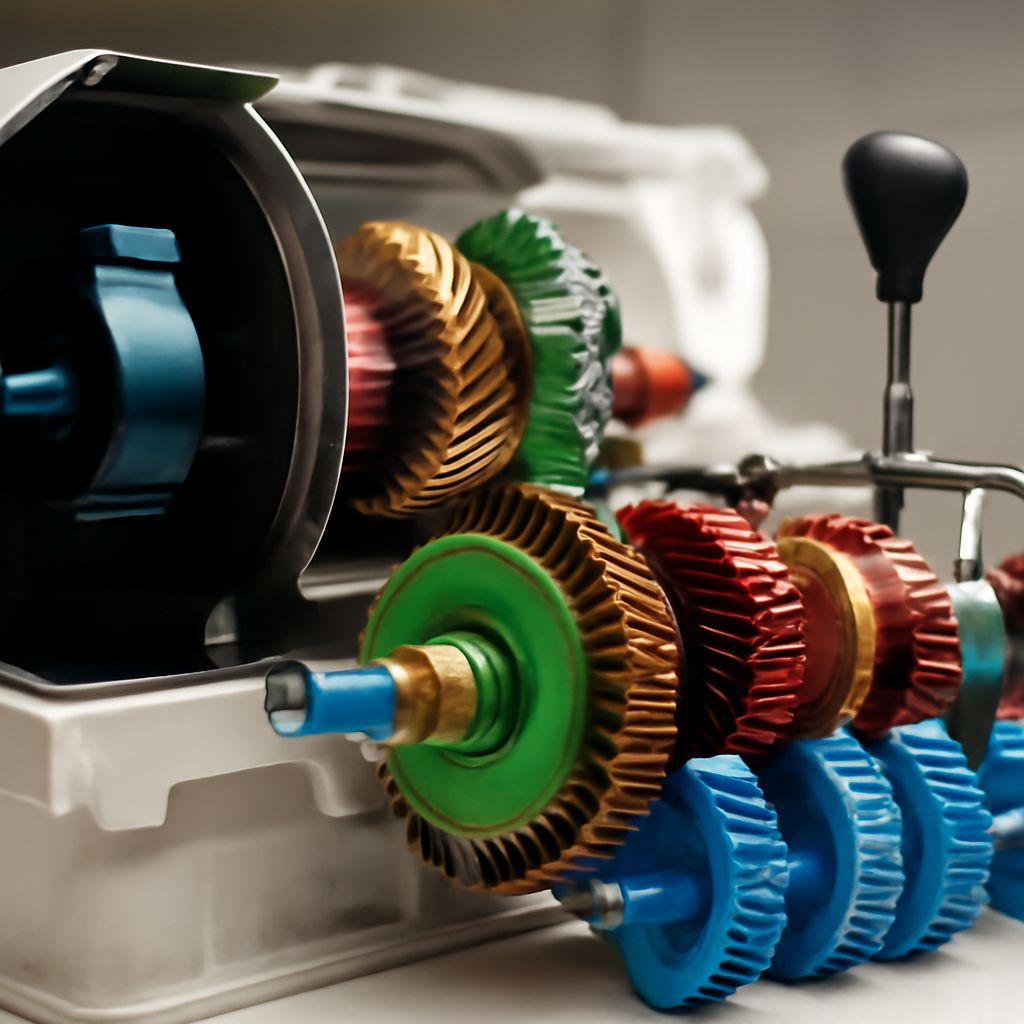
This system consists of a series of gears and shafts that transmit power from the engine to the wheels. The driver selects gears based on speed and road conditions, which allows for greater control over the vehicle’s power and fuel efficiency. The manual gear set typically consists of five or six forward gears and one reverse gear.
Benefits of Choosing Manual Gear
There are several advantages to opting for a manual transmission. Firstly, these systems often provide better fuel efficiency compared to their automatic counterparts. This is because manual transmissions typically weigh less and have fewer parasitic losses, meaning less power is lost in the transfer process.
Additionally, manual gears offer enhanced control over the vehicle. Drivers can precisely manage engine power and torque, which can be beneficial in challenging driving conditions such as steep inclines or when towing. This control can also lead to a more engaging driving experience, often favoring those who enjoy driving as a hobby.
Manual transmissions are generally less complex mechanically, leading to lower maintenance costs over time. With fewer components than automatic gearboxes, there’s typically less that can go wrong, resulting in increased reliability and longevity.
Manual vs. Automatic: Key Differences
The primary difference between manual and automatic transmissions lies in how the vehicle’s gears are changed. While manual systems require the driver to manually shift gears, automatic transmissions use a torque converter or dual-clutch system to automatically select and shift gears without driver intervention.
Automatic transmissions offer convenience, especially in heavy traffic, as they require less effort and coordination from the driver. However, they can be less fuel-efficient and more expensive to maintain and repair due to their complexity.
In contrast, manual transmissions provide a more interactive driving experience, often favored by driving enthusiasts for the direct connection they offer between driver and vehicle. Additionally, manual gear systems can offer a performance advantage in certain scenarios, such as racing, where gear selection timing is crucial.
Common Questions About Manual Transmissions
- Is learning to drive a manual difficult? Learning to drive a manual transmission can be challenging at first, as it requires coordination between the clutch, gear shift, and accelerator. However, with practice, it becomes second nature to most drivers.
- Are manual transmissions more reliable? Generally, manual transmissions are more reliable due to their simpler design and construction. Fewer components mean fewer potential points of failure compared to automatic systems.
- Do manual cars have better resale value? The resale value of manual cars can vary depending on the market and demand for specific vehicle models. In some cases, manual cars can fetch a higher price due to their desirability among certain buyer segments.
- Why do some high-performance cars use manual transmission? High-performance cars often use manual transmissions because they allow for greater driver control and engagement, which is essential in maximizing the vehicle’s performance capabilities.