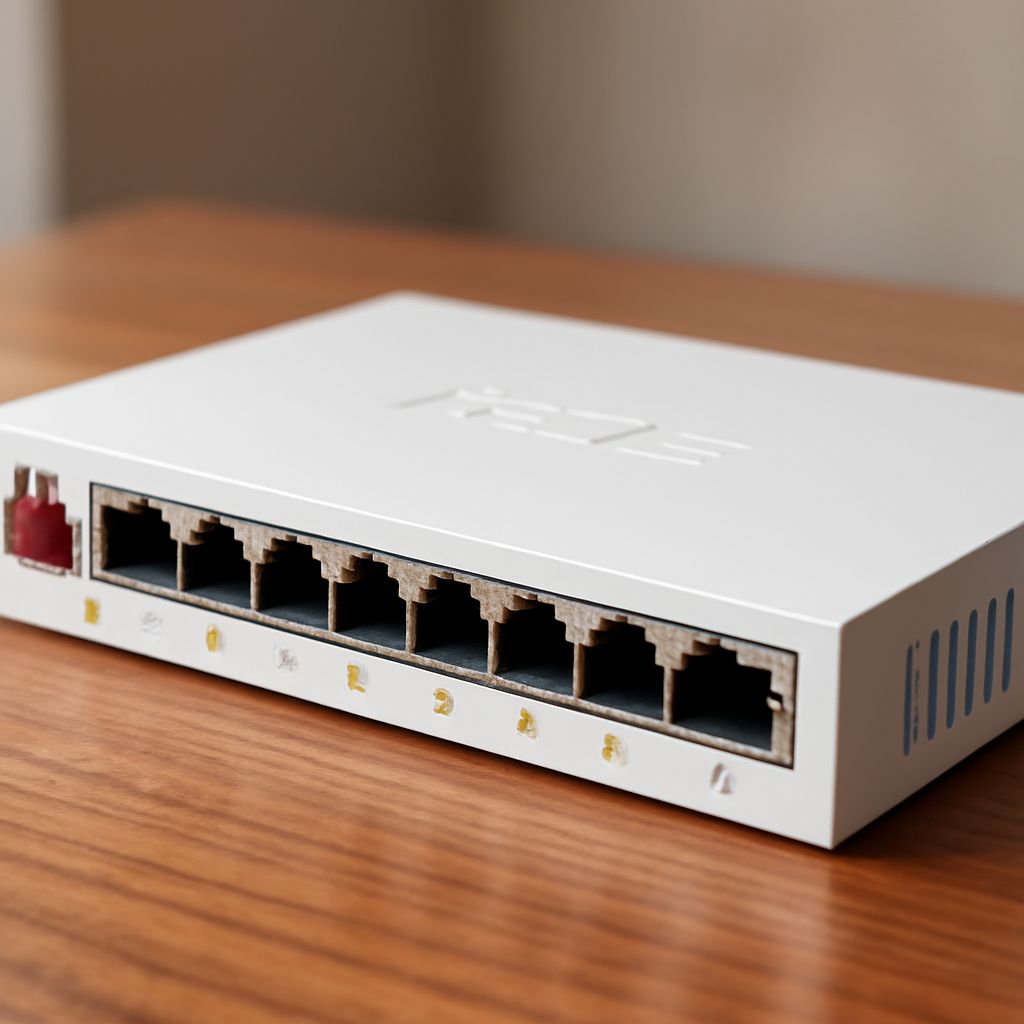
In the interconnected world of digital communication, network switches serve as silent workhorses, ensuring seamless data flow within local area networks (LANs). These devices are essential for the efficiency and reliability of network infrastructures in both homes and businesses. Understanding how network switches function and their role in LANs can enhance your networking capabilities and decision-making.
What Are Network Switches and How Do They Work?
Network switches are hardware devices designed to connect multiple devices within a LAN, allowing them to communicate with one another. They operate at the data link layer of the OSI model, which is Layer 2, meaning they manage data packets based on MAC addresses. When a data packet is received, the switch reads the destination address and forwards it to the correct output port, ensuring it reaches the intended recipient device. This process minimizes network congestion and enhances efficiency by ensuring data packets take the shortest and most efficient route possible.
There are different types of network switches, with the most common being unmanaged and managed switches. Unmanaged switches offer a simple plug-and-play setup, suitable for small networks where basic connectivity is sufficient. Managed switches, on the other hand, provide advanced features such as VLAN support, network management, and security protocols, making them ideal for larger, more complex networks.
Why Are Network Switches Crucial for LANs?
LAN switches are vital components in maintaining the integrity and performance of a local area network. They allow multiple devices to connect and communicate efficiently, which is critical for any high-performing network. The ability of switches to filter and forward data to specific devices reduces unnecessary traffic and prevents data collisions. This targeted data handling increases the speed and reliability of the network, which is especially beneficial in environments with heavy data traffic.
Another significant advantage of using network switches is scalability. As the number of devices in a network grows, switches can easily accommodate the expansion without compromising performance. They also support advanced features like Quality of Service (QoS), which prioritizes certain types of traffic, ensuring critical applications receive the necessary bandwidth.
How Do Network Switches Integrate with Routers and Access Points?
Network switches play a pivotal role in the broader network ecosystem, working seamlessly with routers and access points to create a comprehensive networking solution. While switches facilitate communication within a LAN, routers connect multiple networks, managing traffic between them. This integration allows for efficient routing of data to and from the internet, ensuring devices within the LAN can access external resources.
Access points extend the network’s wireless capabilities, connecting wireless devices to the wired network. By integrating switches with routers and access points, you can create a network that supports both wired and wireless devices, accommodating the diverse connectivity needs of modern environments. This setup provides flexibility and convenience, enabling users to connect their devices based on specific requirements and preferences.
In conclusion, understanding the function and importance of network switches in LANs empowers you to make informed decisions when designing or upgrading your network infrastructure. Whether it’s enhancing performance, enabling scalability, or integrating with routers and access points, network switches are indispensable components of a robust local area network.