Choosing the right trailer hitch can make a significant difference in your towing experience. Understanding the various types of trailer hitches and their classes is crucial for safe and efficient towing. This guide will walk you through the main types of hitches and help you understand the hitch classes and class 3 hitch rating.
What Are the Main Types of Trailer Hitches?
Trailer hitches come in several designs, each suited to different towing needs. Here are the primary types:
- Rear Receiver Hitch: The most common type, compatible with many vehicles. It’s designed for versatility and can handle a wide range of towing tasks.
- Fifth Wheel Hitch: Specifically for larger trailers, these hitches are mounted in the bed of a pickup truck and offer better stability for heavy loads.
- Gooseneck Hitch: Similar to fifth wheel hitches but designed for commercial and agricultural use, providing tight turning radii.
- Bumper Hitch: Attached to a vehicle’s bumper, suitable for lightweight towing but limited in capacity.
- Pintle Hitch: Used in agricultural and industrial settings, known for their robust design and ability to handle rough terrain.
How Do Hitch Classes Differ?
Hitch classes are defined by weight capacity and vehicle application. Here’s a breakdown:
- Class 1: Light-duty hitches for small cars and lightweight loads.
- Class 2: Medium-duty, suitable for larger cars and SUVs, handling up to 3,500 pounds.
- Class 3: Versatile and common for trucks and SUVs, supporting up to 8,000 pounds, making it ideal for larger trailers.
- Class 4: Heavy-duty hitches for trucks and vans, supporting up to 10,000 pounds.
- Class 5: Designed for commercial use, these hitches handle loads over 10,000 pounds.
What Is a Class 3 Hitch Rating?
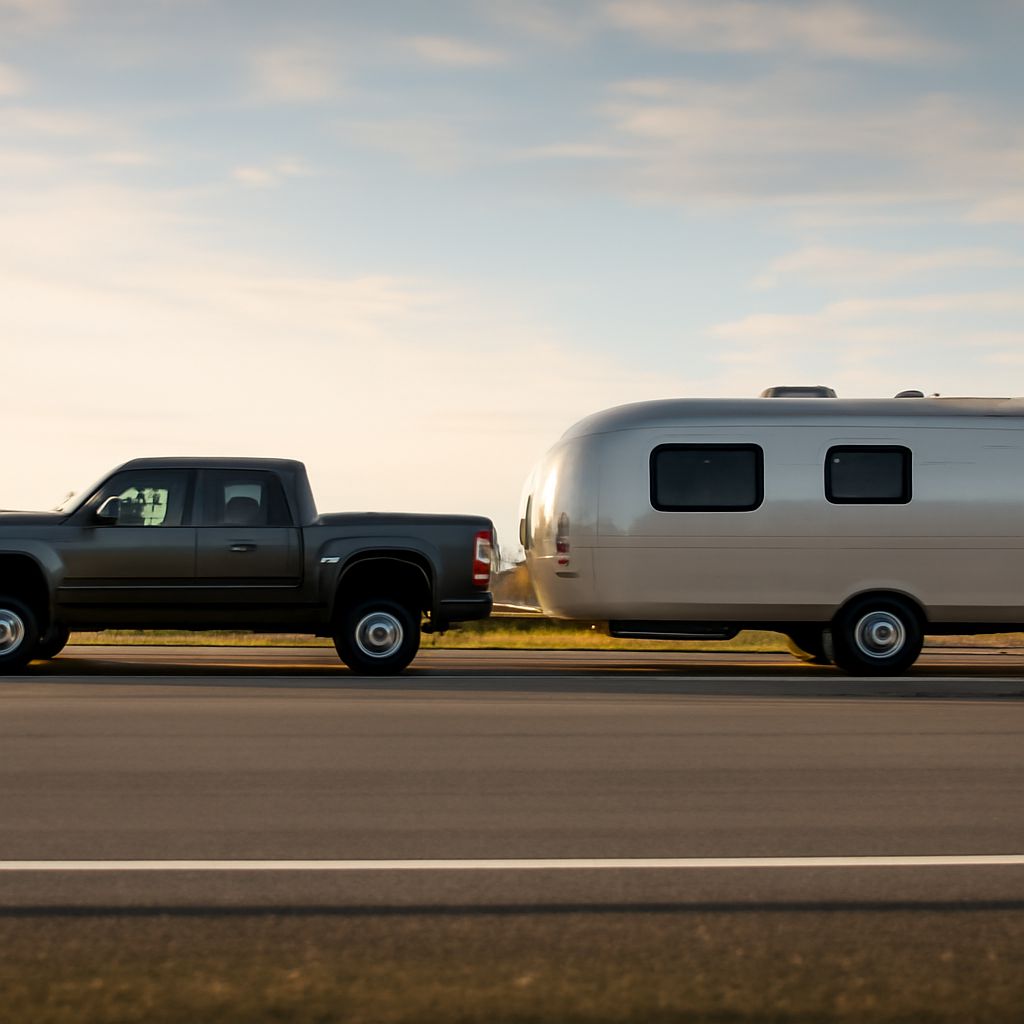
The class 3 hitch rating is particularly popular due to its balance of strength and flexibility. It typically supports up to 8,000 pounds of gross trailer weight (GTW) and up to 800 pounds of tongue weight. This makes it ideal for towing boats, campers, and other mid-sized trailers.
Vehicles that can accommodate a class 3 hitch often include SUVs, trucks, and larger sedans. The hitch is mounted to the vehicle’s frame, offering a sturdy connection and a range of towing options. Its versatility makes it a go-to choice for many towing enthusiasts.