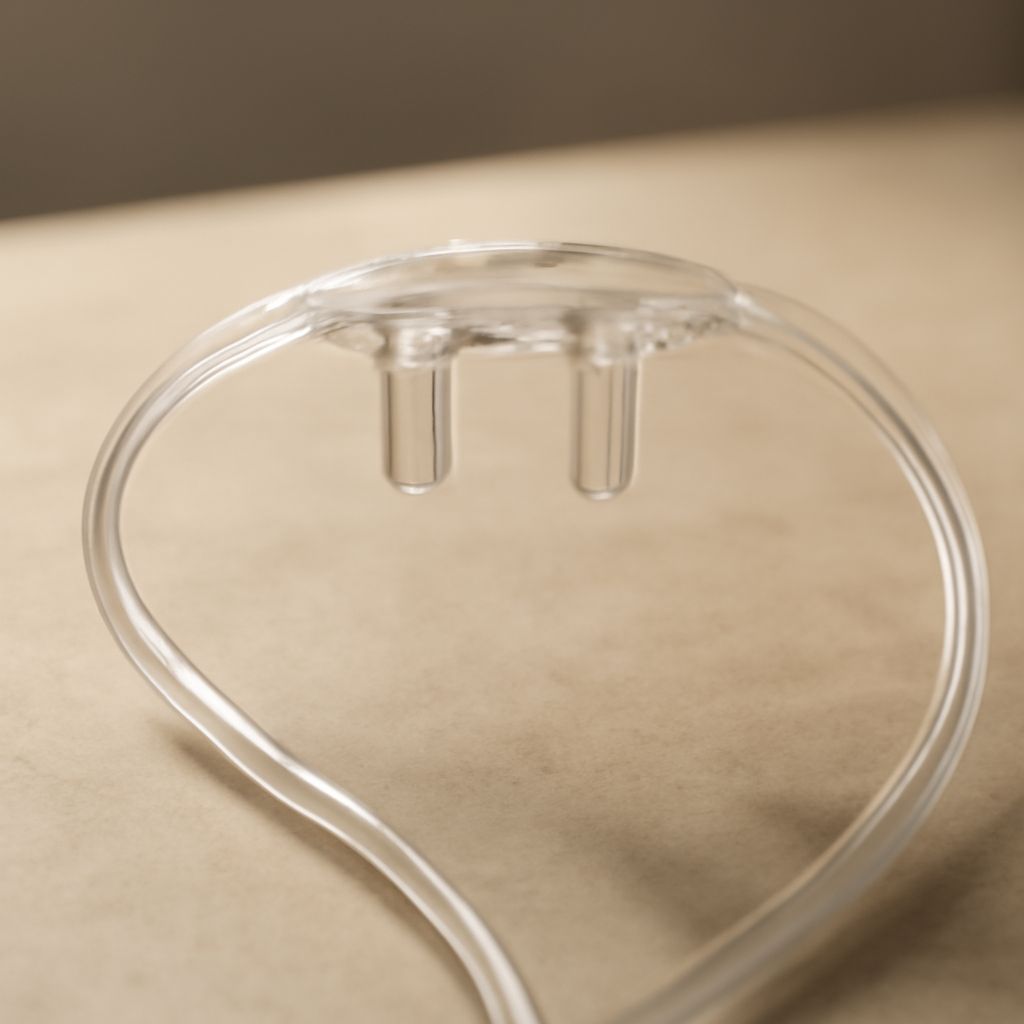
Oxygen cannulas, commonly used in medical settings, are crucial for patients requiring respiratory support. These devices deliver supplementary oxygen to individuals who cannot get enough oxygen on their own. This article explores the function of nasal oxygen cannulas, their benefits, and how to select the appropriate type for your needs.
What is an Oxygen Cannula?
An oxygen cannula is a medical device designed to supply oxygen directly to a patient’s nose. Typically made of lightweight, flexible plastic, the device consists of a long tube that splits into two smaller prongs inserted into the nostrils. Oxygen flows from the main tube through the prongs, providing the patient with the necessary respiratory support. Oxygen cannulas are often used in hospitals, at home, and in emergency situations to assist patients with chronic respiratory conditions, such as COPD or asthma, and those recovering from surgery or illness.
How Do Nasal Oxygen Cannulas Work?
Nasal oxygen cannulas operate by connecting to an oxygen source, such as a tank or concentrator. The device channels oxygen through the main tube and into the prongs, which are placed in the patient’s nostrils. This setup allows patients to breathe in oxygen effortlessly while maintaining mobility and comfort. The flow rate of oxygen can be adjusted according to the patient’s specific needs, typically ranging from 1 to 6 liters per minute for standard cannulas. A key advantage of nasal oxygen cannulas is their simplicity and ease of use, making them a preferred choice for continuous oxygen therapy.
Benefits of Using Nasal Tubes
Nasal tubes offer several benefits for patients requiring oxygen therapy. Firstly, they provide a continuous supply of oxygen without obstructing the mouth, allowing patients to eat, drink, and speak comfortably. Secondly, nasal cannulas are less obtrusive than masks, offering greater freedom and comfort. This feature is especially beneficial for long-term use, where patient compliance is crucial. Additionally, nasal tubes are cost-effective and easy to replace, making them a practical choice for both hospitals and home care settings. Furthermore, the design of nasal cannulas helps reduce the risk of pressure sores and skin irritation, which are common issues with other oxygen delivery devices.
Choosing the Right Cannula for Your Needs
Selecting the appropriate oxygen cannula involves considering several factors, including flow rate, comfort, material, and fit. Flow rate is the most critical factor, as it determines the amount of oxygen provided. For patients who require higher flow rates, specialized cannulas designed to handle increased oxygen levels are available. Comfort is also essential, as nasal cannulas are often worn for extended periods. Soft, flexible materials can help prevent skin irritation and discomfort. It is vital to ensure the cannula fits properly, with prongs that align with the nostrils and a tube that rests comfortably over the ears without slipping.
In summary, oxygen cannulas play a significant role in respiratory care, offering a convenient and effective way to deliver supplemental oxygen. By understanding how they work, their benefits, and how to choose the right one, patients and caregivers can make informed decisions to ensure optimal respiratory support.