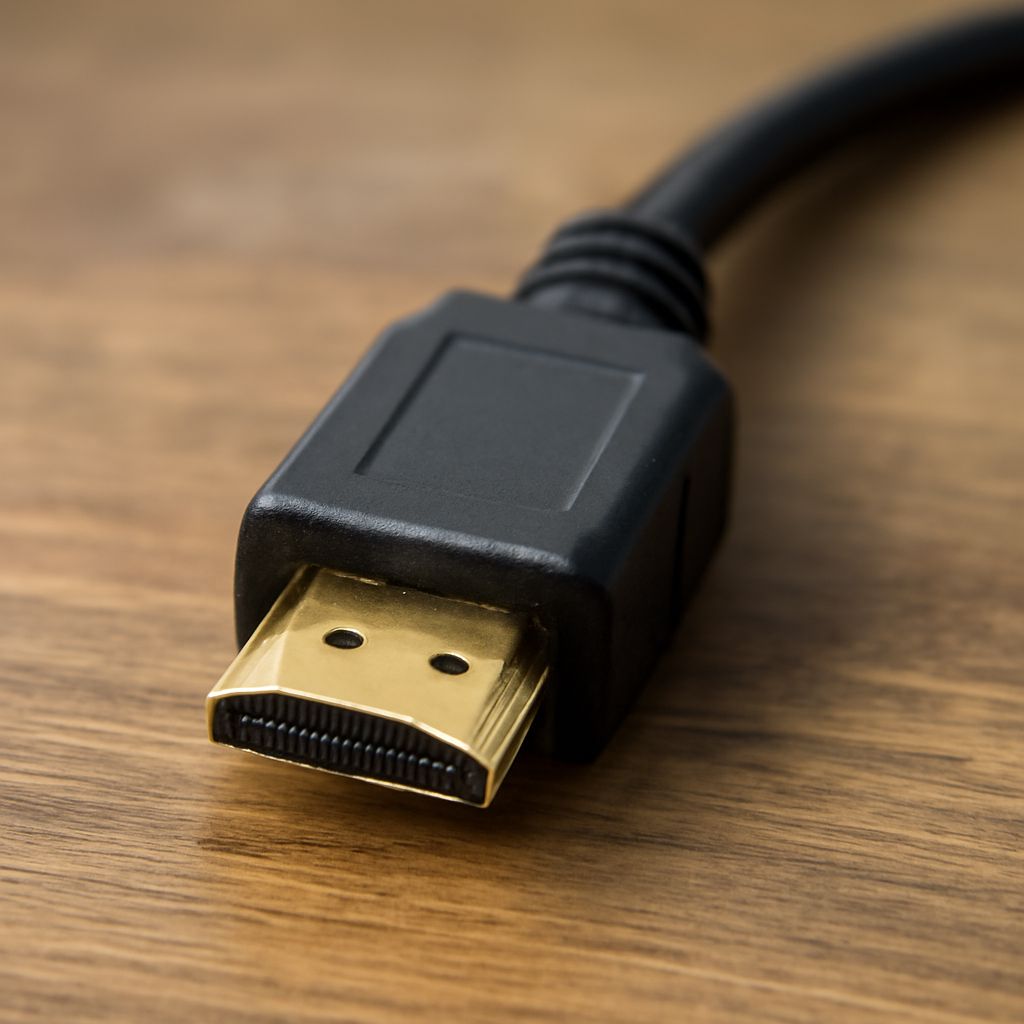
HDMI cables are a fundamental component of modern entertainment and technology setups, commonly used to connect devices like televisions, computers, gaming consoles, and more. These cables play a crucial role in transmitting high-quality audio and video signals, ensuring a seamless media experience.
What is an HDMI Cable?
An HDMI cable, short for High-Definition Multimedia Interface, is a cable designed to transmit both audio and video signals between devices. It has become the standard connection type for most home entertainment systems due to its ability to deliver high-definition video and audio in a single cable, eliminating the need for multiple cables and connections.
How Does an HDMI Cable Work?
HDMI cables work by transmitting uncompressed digital data from one device to another. Each HDMI cable consists of multiple internal wires that carry the signal, allowing for the transfer of audio and video data without quality loss. The cable connects to HDMI ports on devices, ensuring compatibility and a strong connection.
Common Uses of HDMI Cables
HDMI cables are widely used for various purposes, including:
- Connecting Televisions and Monitors: One of the most common uses of HDMI cables is to connect televisions and monitors to other devices, such as computers, DVD players, or streaming devices. This setup allows the transfer of high-definition video and audio, enhancing the viewing experience.
- Home Theater Systems: HDMI cables are essential in home theater setups, linking different components like Blu-ray players, soundbars, and AV receivers. This ensures high-quality audio and video output, providing an immersive cinematic experience at home.
- Gaming Consoles: Gamers frequently use HDMI cables to connect consoles like PlayStation and Xbox to televisions or monitors. This connection supports high-resolution graphics and superior audio, crucial for an engaging gaming experience.
- Computer Connections: HDMI cables are often used to connect computers to external displays, providing clear, high-resolution imagery and sound for work or play.
Benefits of Using HDMI Cables
HDMI cables offer several advantages that make them the preferred choice for connecting devices:
- High-Quality Transmission: HDMI cables provide uncompressed digital transmission of both audio and video, resulting in high-quality output without signal degradation.
- Single Cable Solution: By combining audio and video into a single cable, HDMI simplifies connections, reducing cable clutter and improving the ease of setup.
- Compatibility: HDMI is the standard interface, making it compatible with a wide range of devices. This universality ensures that most electronic devices can connect seamlessly using HDMI cables.
- Support for Advanced Features: HDMI cables support features like 3D video, Ethernet connectivity, and multiple audio formats, making them versatile for various technologies.
In summary, understanding what is an HDMI cable used for and what does an HDMI cable do highlights its importance in modern media and technology environments. HDMI cables provide a reliable, high-quality connection for transmitting audio and video, supporting a wide range of devices and use cases.