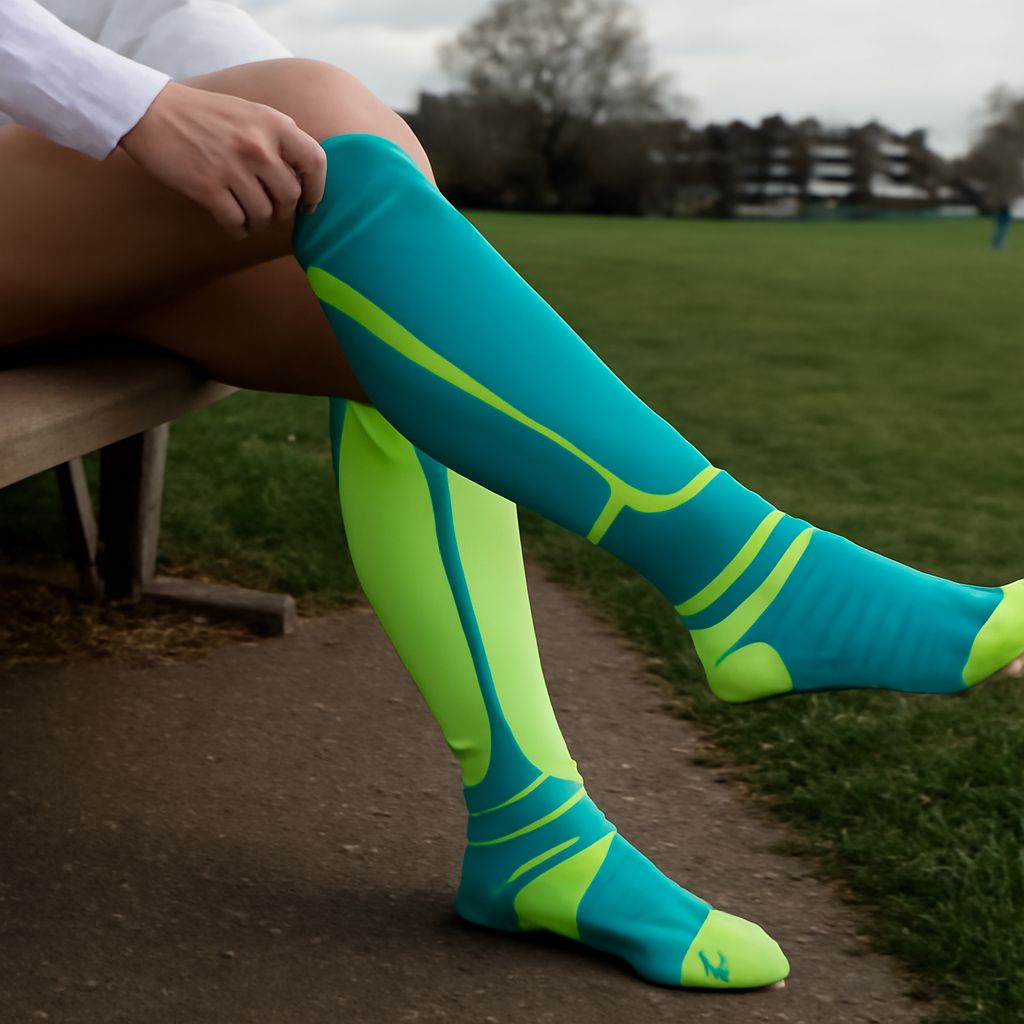
Compression socks have gained immense popularity due to their numerous health benefits and versatile uses. Whether you’re an athlete, someone with a desk job, or dealing with circulation issues, understanding compression socks benefits can help you make informed decisions about their use.
What are the benefits of wearing compression socks?
Compression socks offer a range of benefits that cater to different needs. Primarily, they work by applying gentle pressure to your legs, which helps improve blood flow. This increased circulation can prevent blood clots and reduce swelling, making them especially beneficial for people who spend long hours standing or sitting.
For athletes, compression socks are a game-changer. They aid in quicker recovery by reducing muscle soreness and fatigue. Furthermore, they enhance performance by improving oxygen delivery to muscles during physical activities. For pregnant women, these socks are vital in preventing varicose veins and providing relief from swollen legs.
What is the purpose of compression socks?
Understanding what is the purpose of compression socks is crucial for maximizing their benefits. Essentially, their primary purpose is to enhance circulation in the lower extremities. The graduated pressure exerted by the socks ensures that blood flows back to the heart efficiently, counteracting the effects of gravity.
Additionally, they are used for medical purposes, such as managing conditions like deep vein thrombosis (DVT), lymphedema, and chronic venous insufficiency. They are also recommended for post-operative recovery to prevent blood clot formation. In essence, compression socks play a significant role in promoting vascular health and preventing complications related to poor circulation.
Can you wear compression stockings 24 hours a day?
One common question is can you wear compression stockings 24 hours a day. While compression socks are beneficial, wearing them 24/7 is generally not recommended unless advised by a healthcare provider. Typically, they are worn during waking hours and removed before sleeping to allow skin and circulation to rest.
However, for patients with specific medical conditions, continuous wearing might be necessary. It’s essential to consult with a healthcare professional to evaluate the need and ensure that wearing compression socks for extended periods won’t cause harm. They will assess your condition and provide guidance on safe usage.
How do compression socks ratings help in choosing the right pair?
When selecting compression socks, understanding compression socks ratings is vital. These ratings indicate the level of pressure applied by the socks, measured in millimeters of mercury (mmHg). The ratings are categorized into different levels, each serving specific needs:
- 8-15 mmHg: Light compression suitable for everyday wear, ideal for relieving mild swelling and fatigue.
- 15-20 mmHg: Moderate compression often recommended for travel, to prevent mild swelling and varicose veins.
- 20-30 mmHg: Firm compression used for managing medical conditions like varicose veins, edema, and DVT.
- 30-40 mmHg: Medical-grade compression typically prescribed for severe venous disorders and after surgery.
Choosing the right compression level depends on your individual needs and any existing health conditions. Consulting a healthcare provider is advisable to determine the appropriate compression socks rating for your situation. This ensures you receive the maximum benefit without experiencing discomfort or adverse effects.