In today’s fast-paced digital world, efficient and reliable network performance is crucial. Fiber switches, also known as fiber network switches, play a vital role in enhancing network capabilities by providing faster data transmission and improved connectivity. Understanding how these switches work and their benefits can help you make informed decisions when upgrading your network infrastructure.
What is a Fiber Switch and How Does It Work?
A fiber switch is a type of network device that uses fiber optics technology to transmit data between multiple devices within a network. Unlike traditional copper-based switches, fiber switches utilize light to transfer data, allowing for higher speeds and greater bandwidth. The core component of a fiber switch is the fiber optic cable, which is made of thin strands of glass or plastic that transmit light signals over long distances with minimal signal loss.
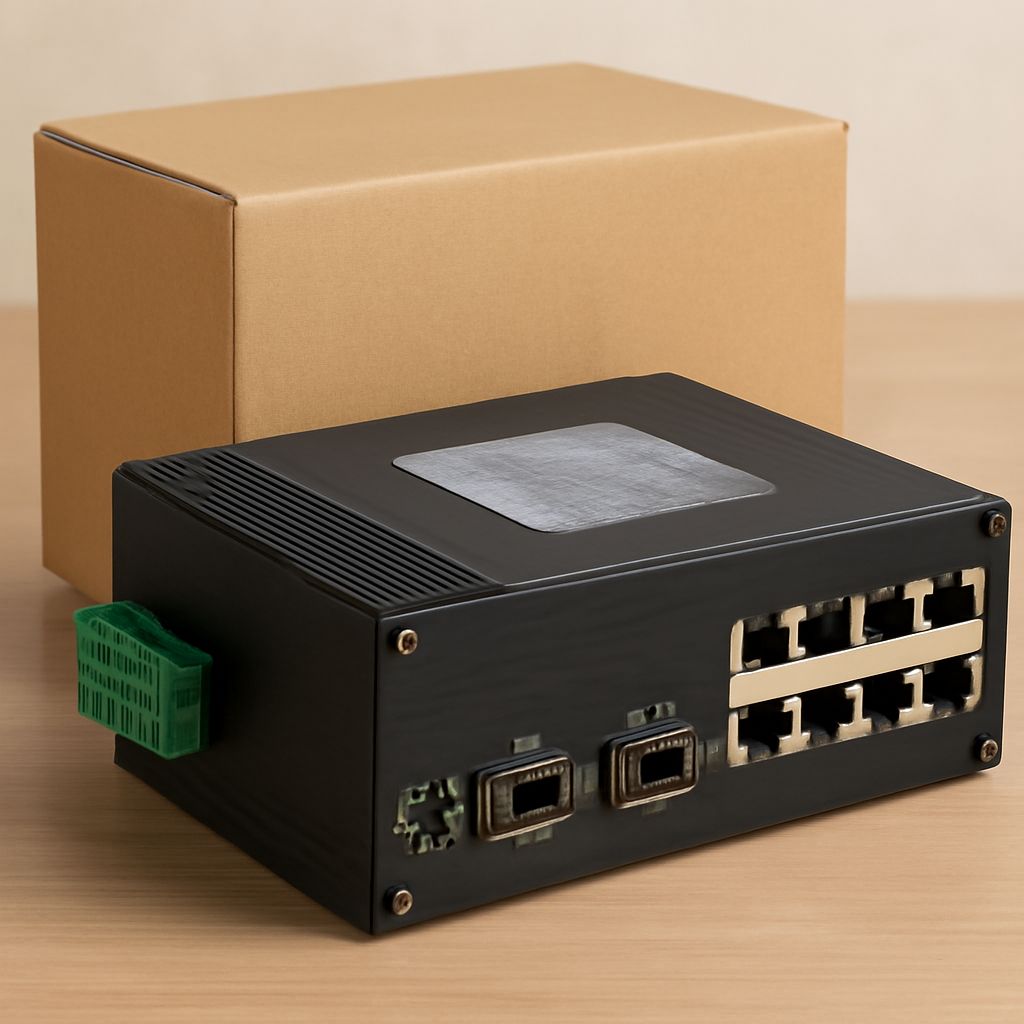
Fiber switches work by receiving incoming data signals via light pulses and directing them to the appropriate device on the network. This process is facilitated by the switch’s internal circuitry, which helps in managing data traffic efficiently. Additionally, fiber switches are equipped with multiple ports, allowing numerous devices to connect simultaneously, thus supporting higher network demand and reducing congestion.
Why Choose Fiber Network Switches for Improved Performance?
There are several compelling reasons to opt for fiber network switches over their copper counterparts:
- High Speed and Bandwidth: Fiber switches provide significantly higher data transfer rates, which is essential for applications requiring real-time data processing, such as video conferencing and streaming.
- Long Distance Transmission: With the ability to transmit signals over longer distances without degradation, fiber optics are ideal for large networks spanning multiple locations.
- Reduced Interference: Fiber optic cables are immune to electromagnetic interference, ensuring stable and reliable data transmission even in environments with high electromagnetic activity.
- Enhanced Security: Since fiber optics use light rather than electrical signals, they are less susceptible to tapping and interception, thus providing a more secure communication channel.
These advantages make fiber network switches an excellent choice for businesses looking to future-proof their network infrastructure and accommodate growing data demands.
Key Factors to Consider When Selecting a Fiber Switch
Choosing the right fiber switch for your network involves several considerations:
- Port Count and Type: Determine the number of ports you need based on your current and anticipated future network size. Ensure that the switch supports the appropriate port type, such as SFP (Small Form-factor Pluggable) or SFP+ for higher data rates.
- Speed Requirements: Assess your network’s speed requirements and select a switch that supports the desired data rates. Options range from 1Gbps to 10Gbps and even higher for more demanding applications.
- Managed vs. Unmanaged: Consider whether you need a managed switch, which offers advanced features like VLAN support, traffic management, and monitoring, or if an unmanaged switch will suffice for simpler setups.
- Power Over Ethernet (PoE): If you plan to power devices like IP cameras or wireless access points through the network switch, ensure it supports PoE to simplify installation and reduce cabling.
- Scalability and Future-Proofing: Choose a switch that can scale with your network growth, offering the flexibility to add more devices and support higher speeds as needed.
- Cost and Budget: Evaluate your budget and balance cost against the required features and performance to ensure a cost-effective solution that meets your network’s needs.
By carefully considering these factors, you can select a fiber switch that not only meets your current network demands but also provides room for growth, ensuring sustained performance and reliability.