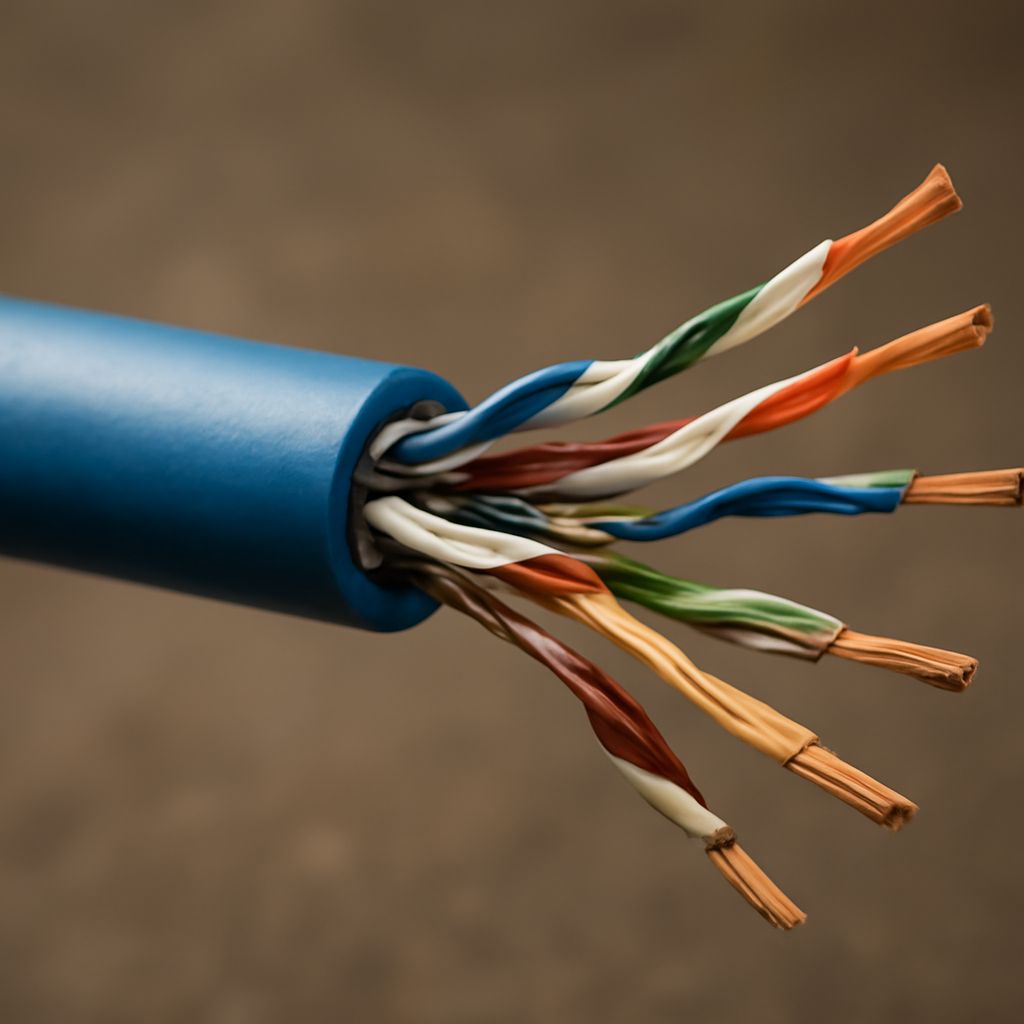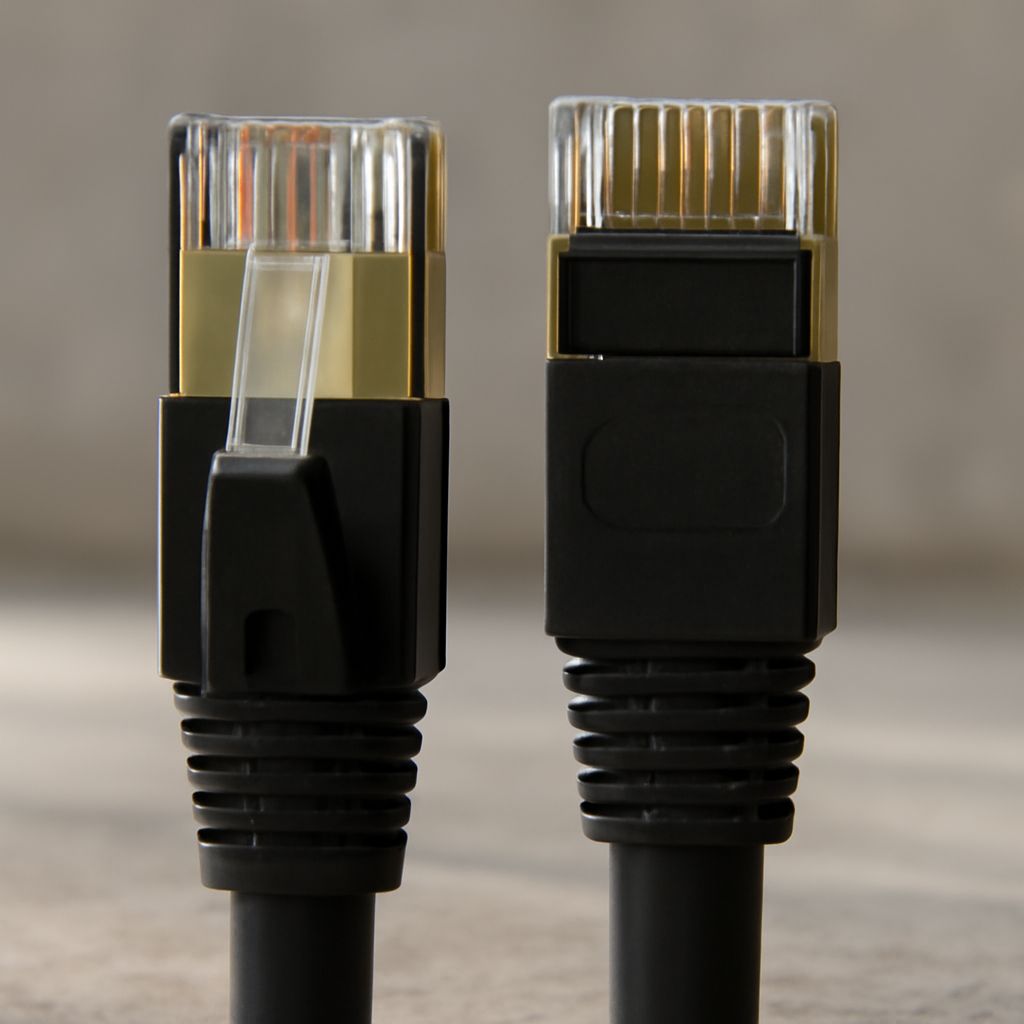
Cat 7 Ethernet cables are known for their impressive speed capabilities, offering a reliable solution for high-performance networking needs. As technology advances, the demand for faster and more efficient data transmission grows, and Cat 7 cables are designed to meet these demands. Understanding the specifics of their speed and how they compare to other cable categories is essential for making informed decisions about your network setup.
What is the Speed of Cat 7 Ethernet Cables?
The cat 7 ethernet cable speed is one of its standout features, offering up to 10 Gbps (gigabits per second) over a distance of 100 meters. This speed makes it suitable for both residential and commercial applications where high data throughput is required. Additionally, Cat 7 cables support frequencies up to 600 MHz, which means they can handle more data simultaneously compared to lower-category cables.
These cables are shielded, which reduces interference and improves performance in environments with a lot of electronic noise. This characteristic makes Cat 7 a preferred choice for connecting devices in dense networking environments like data centers and corporate offices.
How Does Cat 7 Compare to Other Cable Categories?
When comparing cat 7 speed with other Ethernet cable categories, it’s important to consider both speed and shielding. While Cat 5e and Cat 6 cables are capable of supporting gigabit speeds, they do not offer the same level of shielding or frequency support as Cat 7.
- Cat 5e: Offers speeds up to 1 Gbps and a frequency of up to 100 MHz. It is suitable for basic home and office networks but is less efficient in handling electromagnetic interference.
- Cat 6: Supports speeds up to 1 Gbps over longer distances compared to Cat 5e, with a frequency of up to 250 MHz. It provides better shielding against interference but still falls short of Cat 7 capabilities.
- Cat 6a: An augmented version of Cat 6, supporting speeds up to 10 Gbps over shorter distances (up to 55 meters) with a frequency of up to 500 MHz.
- Cat 8: The successor to Cat 7, this cable supports speeds up to 25 or 40 Gbps with frequencies up to 2000 MHz, suitable for short-distance data center applications.
Given these comparisons, the cat 7 cable speed is optimized for environments that require higher data rates and better shielding than Cat 6, making it a superior choice for many applications without needing the ultra-high speeds of Cat 8.
Why Choose Cat 7 for Your Network?
Choosing Cat 7 cables for your network setup comes with several benefits. Firstly, they provide future-proofing for network infrastructure, accommodating higher speeds and more bandwidth-intensive applications as technology progresses. Their high-frequency support and shielding effectiveness ensure stable and reliable performance even in electrically noisy environments.
Another advantage of Cat 7 cables is their durability. They are typically constructed with solid copper conductors and high-quality shielding, which not only enhances performance but also extends the lifespan of the cables. This makes them an excellent investment for both personal and business networks.
Moreover, Cat 7 cables are compatible with standard RJ45 connectors, ensuring that upgrading your existing network infrastructure can be straightforward and cost-effective. This compatibility makes them versatile in terms of deployment, whether you are setting up a home office network or expanding a corporate system.
In conclusion, if you’re looking to enhance your network’s performance with reliable and fast data transmission, Cat 7 Ethernet cables provide a compelling option. With their ability to support high speeds and excellent shielding, they are well-suited for demanding applications and future technological advancements.