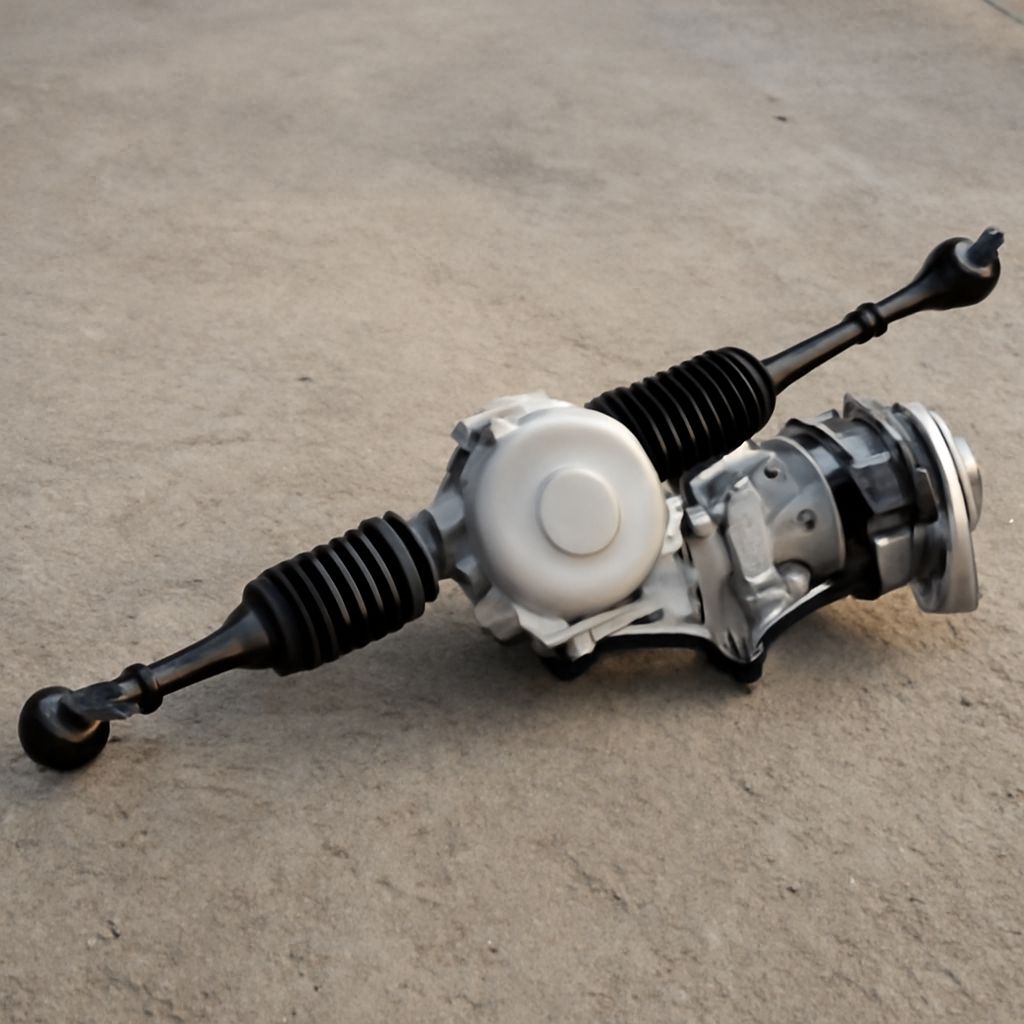
Electric power steering (EPS) has revolutionized the driving experience by replacing traditional hydraulic systems with more efficient electronic controls. This technology not only enhances vehicle handling but also improves fuel efficiency. In this article, we’ll explore how EPS systems work, their benefits, and the critical role of the electric steering rack in modern cars.
What is Electric Power Steering (EPS)?
Electric power steering (EPS) is a steering system that uses an electric motor to assist the driver. Unlike hydraulic systems that rely on fluid pressure, EPS systems use sensors and an electric motor to provide steering assistance. When the driver turns the steering wheel, sensors detect the movement and send signals to the motor, which applies the necessary torque to the steering mechanism. This results in smoother and more precise steering control.
How Does EPS Benefit Drivers?
EPS offers several advantages over traditional steering systems. First, it improves fuel efficiency because it draws power only when needed, unlike hydraulic systems that continuously require energy. Second, EPS enhances vehicle safety and handling by providing variable assistance based on driving conditions, such as speed and road surface. This allows for easier maneuverability at low speeds and stable steering at higher speeds. Lastly, EPS systems can integrate with other electronic systems in the car, such as stability control, offering additional safety features.
What Role Does the Electric Steering Rack Play?
The electric steering rack is a fundamental component of the EPS system. It houses the electric motor and the gear mechanism that directly assists the steering process. The rack converts the rotational motion from the motor into linear motion, which is necessary to turn the wheels of the car. This conversion ensures that the driver’s steering inputs are accurately translated into wheel movements, providing precise control over the vehicle. Additionally, electric steering racks are generally lighter and require less maintenance than their hydraulic counterparts, contributing to overall vehicle efficiency and reliability.