Golf cart battery prices in 2024 vary widely depending on battery type, voltage, brand, and where you buy. While the average price for a set of batteries can range from $600 to $2,000 or more, the specific cost depends heavily on whether your cart uses 6-volt, 8-volt, or 12-volt batteries and the chemistry (lead-acid or lithium). Understanding these factors will help you budget effectively and choose the right batteries for your golf cart’s needs.
What is the average cost of golf cart batteries in 2024?
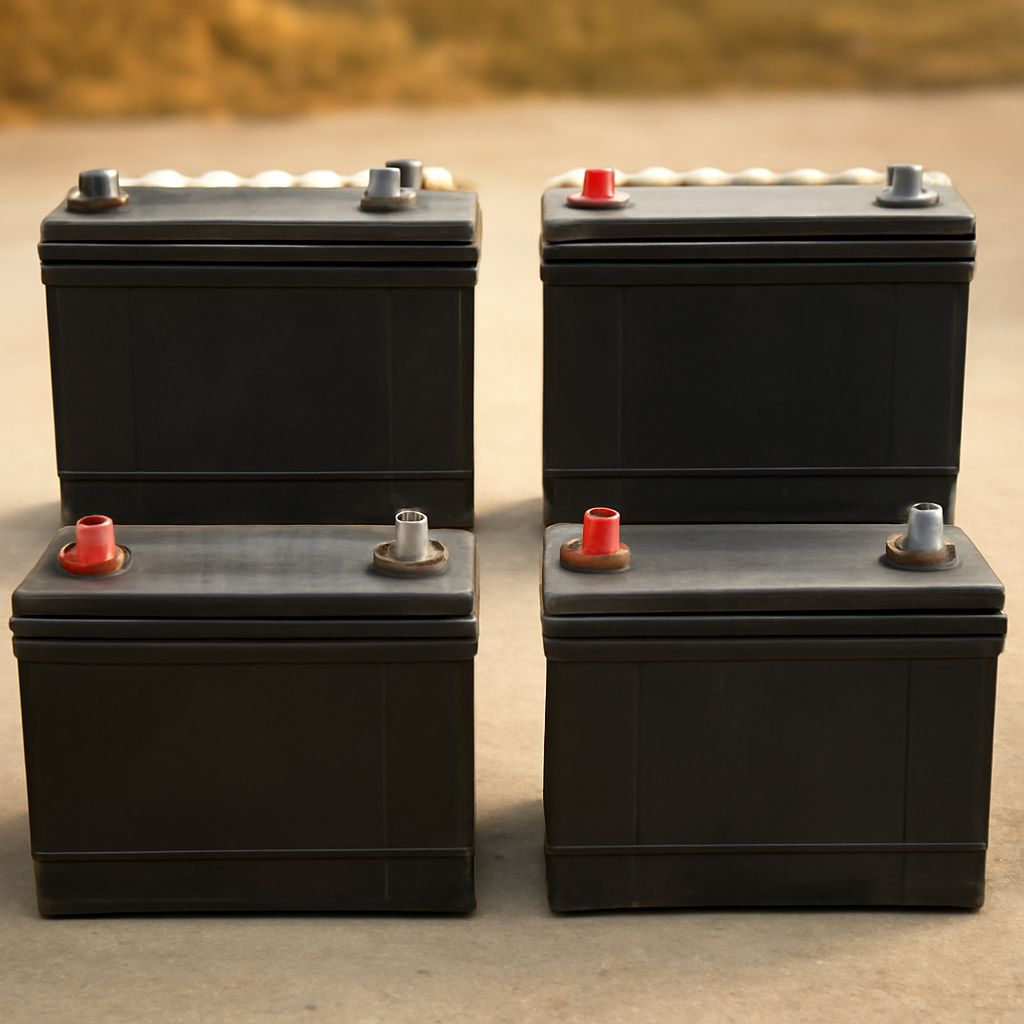
The cost of golf cart batteries in 2024 typically falls between $100 and $400 per battery for standard lead-acid models. Most golf carts require a set of four to six batteries, so a full replacement usually costs between $600 and $1,500 for lead-acid batteries. For premium or specialty batteries, such as lithium-ion, expect prices to range from $1,800 up to $3,000 or more for a full set.
Here’s a breakdown of common options:
- 6-volt golf cart batteries: $110–$200 each (standard flooded lead-acid), or $800–$1,200 per set of six.
- 8-volt golf cart batteries: $130–$220 each, or $900–$1,300 per set of six.
- 12-volt golf cart battery: $170–$350 each, usually requiring four for a 48-volt system ($700–$1,400 per set).
Popular brands like Trojan, Interstate, and US Battery typically cost more than generic brands, but are often valued for longer lifespan and warranty coverage. Lithium batteries, such as those from RELiON or RoyPow, offer superior performance and longevity but come at a premium price.
Which types of batteries are used in golf carts?
Golf carts use deep-cycle batteries designed for sustained energy output rather than quick bursts of power. You’ll find two main types of batteries for golf carts: lead-acid and lithium-ion.
- Flooded lead-acid batteries: These are the most common and economical choice. They require regular maintenance, including checking water levels and cleaning terminals. They are available in 6-volt, 8-volt, and 12-volt versions.
- AGM and gel lead-acid batteries: These sealed versions require less maintenance and are less prone to spillage or corrosion. They typically cost more than flooded types, but offer less frequent upkeep.
- Lithium-ion batteries: These batteries are lighter, charge faster, last significantly longer (up to 10 years), and require virtually no maintenance. Their upfront cost is much higher, but they can reduce overall cost of ownership and extend cart range.
The most common battery voltages for golf carts are 6-volt, 8-volt, and 12-volt. The total voltage needed depends on the cart’s make and model—typical setups are 36V (6 x 6V), 48V (8 x 6V or 6 x 8V), or 48V (4 x 12V). Always check your cart’s requirements before purchasing replacement batteries.
How do 12-volt and 6-volt golf cart batteries compare?
Both 12-volt and 6-volt golf cart batteries are common, but they differ in several key ways:
- Capacity and range: 6-volt golf cart batteries generally offer a higher amp-hour (Ah) capacity than 12-volt batteries. This means they can provide more energy over time, resulting in greater range per charge for most golf carts.
- Configuration: To reach the desired voltage, carts may use more 6-volt batteries (e.g., six for a 36V system or eight for a 48V system), while 12-volt setups require fewer batteries but usually offer less overall capacity.
- Longevity: 6-volt batteries often have a longer lifespan, especially when properly maintained, compared to 12-volt options in similar conditions.
- Cost: Replacing a set of 6-volt batteries may have a lower total cost than 12-volt batteries, but installation costs can be higher due to the increased number of batteries.
For most golf carts, 6-volt batteries are favored for range and durability, while 12-volt batteries may appeal for convenience and initial cost savings. Always match the replacement type to your cart’s original configuration for optimal performance.
What else can affect the price of batteries for golf carts?
Several additional factors can influence how much you pay for batteries for golf carts:
- Brand: Well-known brands like Trojan and Interstate typically cost more than off-brand alternatives, but may offer better reliability and longer warranties.
- Battery chemistry: Lithium-ion batteries command a premium for their longevity and low maintenance, while standard lead-acid batteries are cheaper but require more upkeep.
- Retailer and location: Prices can vary by retailer and region. Local golf cart dealers may charge for installation and disposal, while online stores sometimes offer lower prices but may tack on shipping fees.
- Core charges and recycling fees: Some retailers add a refundable core charge if you don’t trade in your old batteries. Recycling fees may also apply in certain states or provinces.
- Warranty and service plans: Batteries with longer warranties or bundled service plans tend to cost more upfront but can offer peace of mind and added value over time.
The total cost to replace your golf cart batteries will depend on the type and number needed, the brands you select, and any extra services such as professional installation or old battery disposal. Always factor in these variables when budgeting for new batteries to avoid surprises.