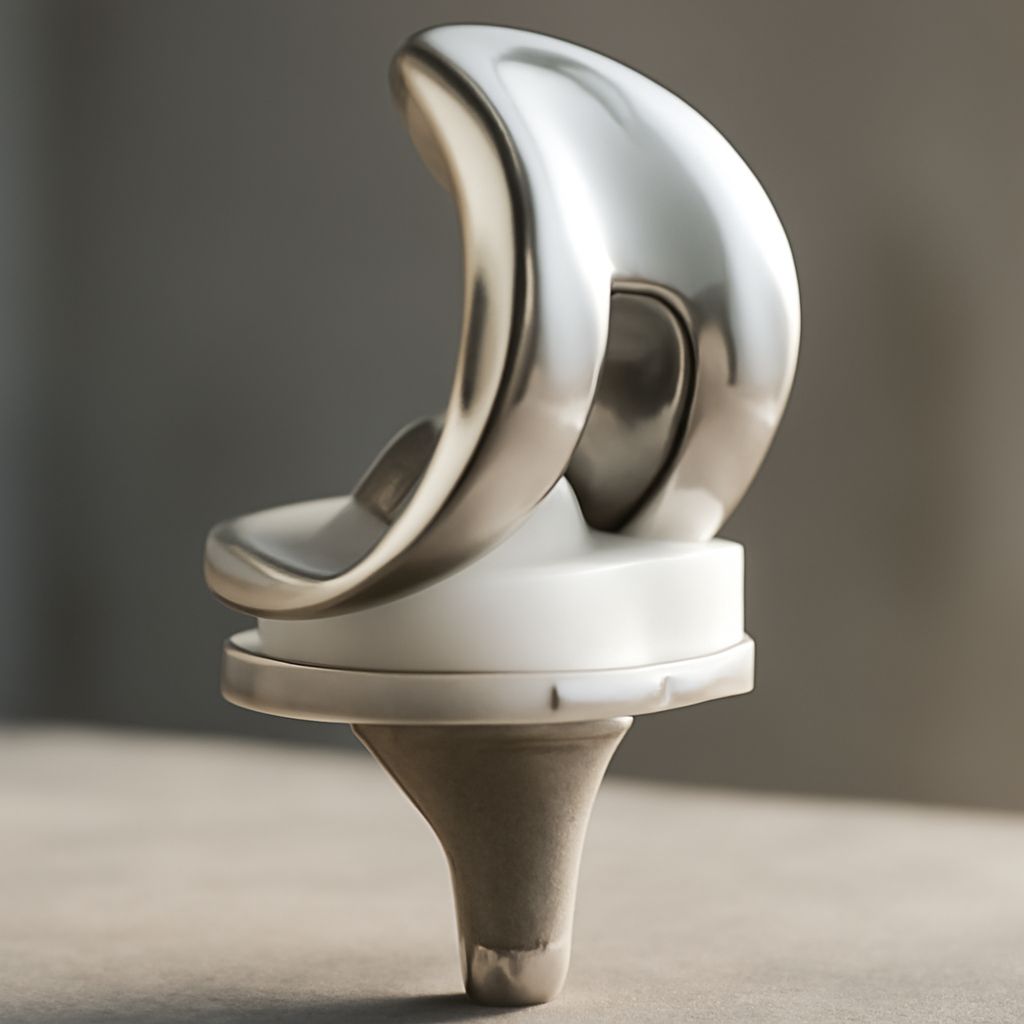
Knee implants play a crucial role in restoring mobility and reducing pain for individuals with severe knee damage, often caused by arthritis, injury, or other degenerative conditions. By replacing damaged joint surfaces with artificial components, a knee replacement prosthesis can help patients regain function and improve quality of life. Understanding the different types, materials, and considerations involved in choosing knee replacement implants is essential for making informed decisions about surgery and long-term outcomes.
What are knee implants and how do they work?
Knee implants are medical devices designed to replace the damaged or worn-out surfaces of the knee joint. Typically used during total or partial knee replacement surgeries, these devices aim to mimic the movement and function of a healthy knee. A standard knee implant consists of several key components: a femoral component that covers the end of the thigh bone (femur), a tibial component that sits on top of the shin bone (tibia), and often a patellar component that replaces the surface of the kneecap.
During knee replacement surgery, the surgeon removes damaged cartilage and a small amount of underlying bone from the knee joint before attaching the knee replacement prosthesis. The components are either cemented or press-fit into place, depending on the implant design and patient factors. Once in place, the artificial surfaces glide smoothly against each other, allowing for pain-free movement and reducing joint friction.
Knee implants are designed to replicate the natural hinge and rotation movements of the knee. Advanced designs aim to provide stability and range of motion similar to that of a healthy joint. This enables most patients to return to daily activities and, in many cases, low-impact exercises after recovery.
The longevity of a knee replacement prosthesis depends on several factors, including the type of implant, surgical technique, patient activity level, and body weight. Most modern implants last 15-20 years or more, although revision surgery may be needed if the implant wears out or complications arise.
What types of knee replacement implants are available?
There are several primary types of knee replacement implants, each designed to address specific patient needs and anatomical variations. The main categories include:
- Total Knee Replacement Implants: These are the most common and replace all three compartments of the knee: medial (inner), lateral (outer), and patellofemoral (front). They are suitable for patients with widespread arthritis or damage throughout the knee.
- Partial (Unicompartmental) Knee Replacement Implants: These implants replace only one compartment of the knee, usually the medial or lateral side. They are less invasive and preserve more of the natural bone and ligament structure, making them suitable for patients with damage limited to one area.
- Patellofemoral Implants: Designed specifically to replace the kneecap and the groove it rides in. These are used in cases where arthritis or damage is confined to the patellofemoral compartment.
- Revision Knee Implants: Specialized implants intended for patients who require a second surgery to replace a failed or worn-out implant. These devices often include additional fixation and support features for complex cases.
Beyond the main categories, knee replacement implants come in various designs, such as fixed-bearing, mobile-bearing, cruciate-retaining, and posterior-stabilized. Fixed-bearing implants have a static polyethylene insert, while mobile-bearing designs allow some rotation between components, potentially reducing wear. Cruciate-retaining implants preserve the posterior cruciate ligament, which can improve knee stability, while posterior-stabilized designs substitute for this ligament with a built-in cam and post mechanism.
The choice of implant type depends on factors such as age, activity level, knee stability, bone quality, and the extent of joint damage. Surgeons consider anatomical fit, lifestyle, and individual goals when selecting the appropriate implant for each patient.
What materials are used in knee replacement prosthesis?
Knee implants are constructed from a combination of durable, biocompatible materials engineered to withstand the stresses of daily movement and weight-bearing. The primary materials used include:
- Metals: Cobalt-chromium alloys, titanium alloys, and stainless steel are commonly used for the femoral and tibial components. These metals provide strength, resistance to corrosion, and compatibility with the body. Titanium is especially valued for its light weight and ability to bond with bone.
- Polyethylene: Ultra-high-molecular-weight polyethylene (UHMWPE) is the standard material for the plastic insert that acts as the new cartilage between metal components. Modern cross-linked polyethylene has improved wear characteristics, reducing the risk of particle generation and implant loosening.
- Ceramics: Some knee implant designs incorporate ceramic components for their excellent wear resistance and biocompatibility. However, ceramics are more commonly used in hip replacements than in knee implants due to the knee’s unique biomechanics.
Manufacturers and brands may use proprietary coatings or surface treatments to enhance bone integration and reduce infection risk. For example, porous coatings or hydroxyapatite layers encourage bone growth onto the implant surface, increasing long-term stability.
The choice of material affects not only the implant’s durability and longevity but also compatibility with the patient’s biology. Surgeons consider factors such as metal allergies, bone quality, and anticipated activity level when deciding which material combination is most appropriate.
How do you choose the right knee implant for your needs?
Selecting the best knee replacement prosthesis involves a collaborative decision between patient and surgeon, tailored to individual circumstances. Key considerations include:
- Patient Age and Activity Level: Younger, more active patients may benefit from durable materials and designs that accommodate higher stress and movement. Older patients or those with lower activity demands may prioritize stability and a straightforward surgical approach.
- Extent and Location of Knee Damage: Candidates with arthritis or injury limited to one compartment may be suitable for partial knee replacement implants, which preserve more of the natural joint.
- Bone Quality and Anatomy: The size, shape, and strength of the knee bones influence implant selection. Some patients may require custom implants or additional fixation in cases of bone loss or deformity.
- Medical History and Allergies: A history of metal allergies may necessitate hypoallergenic implant options, while certain medical conditions could influence surgical technique or implant choice.
- Surgeon’s Experience and Recommendation: Surgeons often have preferences based on training, experience, and outcomes with specific implant brands or designs. Discussing options openly can help ensure the best match for patient goals and expectations.
Leading brands of knee implants include Zimmer Biomet, Stryker, DePuy Synthes, Smith & Nephew, and Exactech. Each offers a range of knee replacement implants with varying features, materials, and design philosophies. The final decision should reflect a balance of clinical evidence, patient needs, and surgeon expertise.
Engaging in a thorough preoperative discussion about the types, materials, and expected outcomes helps patients set realistic goals and participate actively in their recovery and long-term joint health.