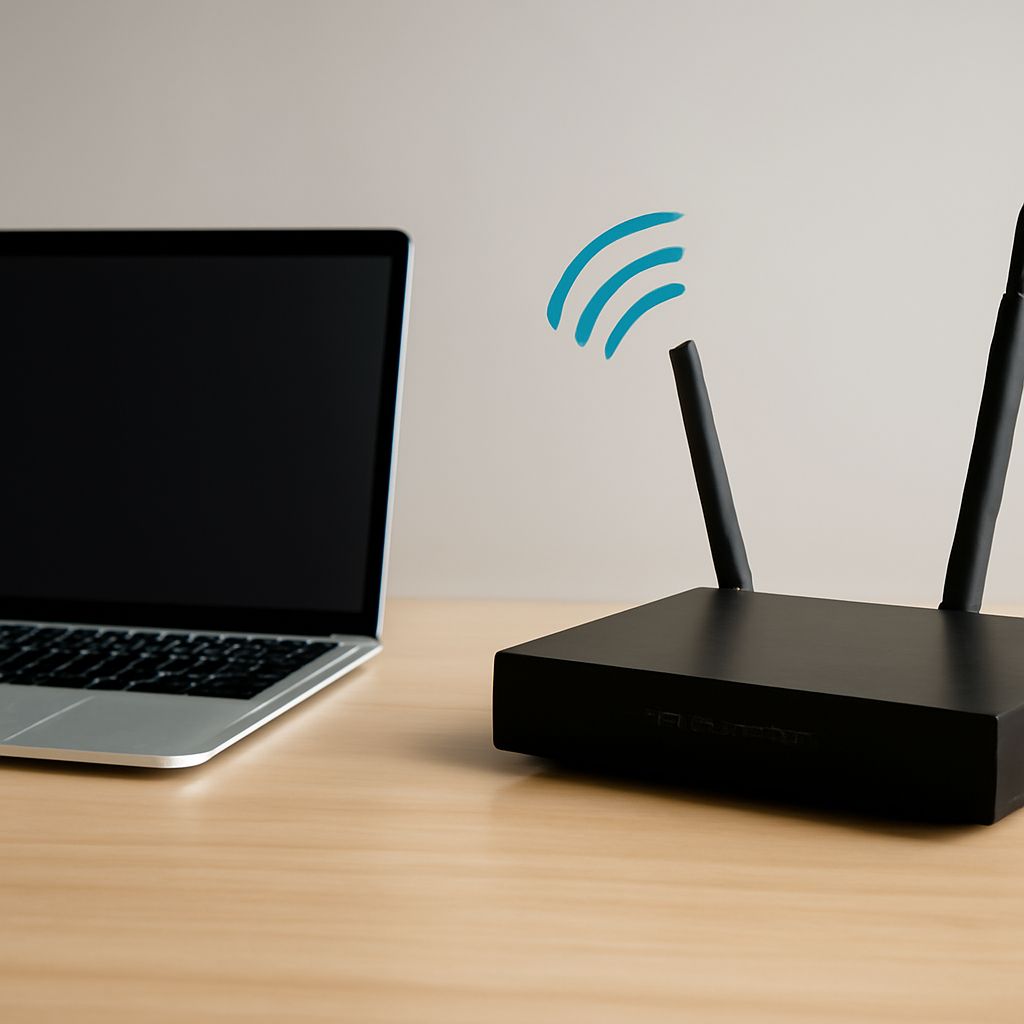
To answer “Is my Wi-Fi 2.4 or 5 GHz?”, check the network name first, then confirm the band in your router or device connection details. A shared network name can hide band steering, so the displayed channel or frequency is more reliable.
The best 5 GHz channel is not a fixed number. Choose a channel that is legal for your region, supported by your router and clients, and relatively quiet where you use Wi-Fi. Channel width and DFS support also affect stability.
Is My Wi-Fi 2.4 or 5 GHz? Check the Network Name, Router, and Client
Check the network name. Some routers create separate names such as Home-2.4 and Home-5G. Connecting to the second name usually indicates 5 GHz. However, many routers use one name for both bands and automatically move devices between them, so the SSID alone is not proof.
Check the router. Open the router’s app or administration page and look for a connected-device list. It may show each client’s band, frequency, channel, signal strength, and link rate. The wireless settings may also list separate 2.4 GHz and 5 GHz radios, along with the clients currently using each one.
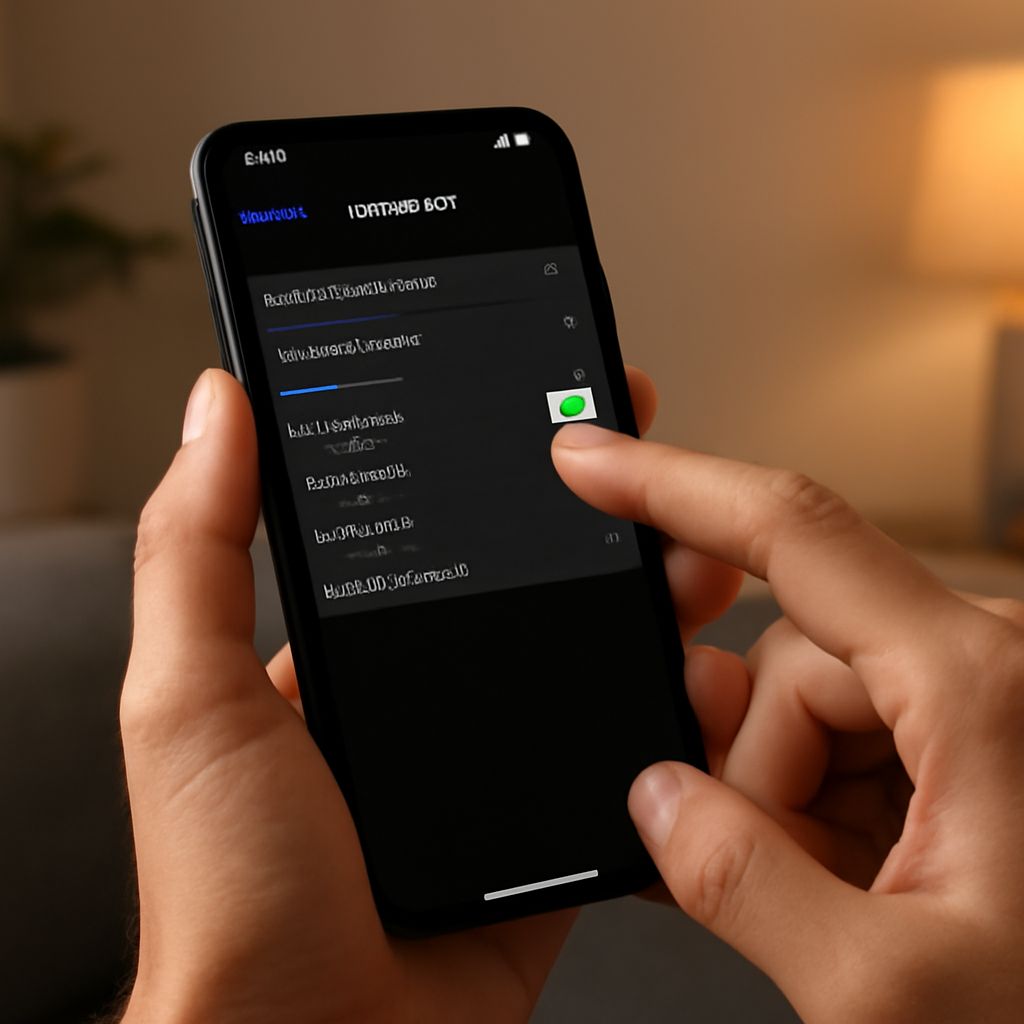
Check the client connection details. On Windows, open the Wi-Fi network properties or run netsh wlan show interfaces in Command Prompt. Look for the channel, frequency, or radio information. On macOS, hold Option while selecting the Wi-Fi icon to see the channel and connection details. Android phones commonly show the Wi-Fi frequency in the current network’s details. iPhones provide less direct band information, so the router’s client list is often the easiest method.
As a quick clue, channels around 1 through 13 are normally 2.4 GHz, while channels such as 36, 40, 44, and 48 are common 5 GHz examples. Channel availability varies by country, so use the reported frequency when possible.
What Is the Difference Between 2.4 and 5 GHz Wi-Fi?
The difference between 2.4 and 5 GHz Wi-Fi is mainly a trade-off between reach and capacity. Neither band is always faster or better; the right choice depends on distance, walls, interference, and device support.
- 2.4 GHz reaches farther. Its lower frequency generally travels through walls and floors more effectively. It is useful for distant rooms and smart-home devices, but speeds usually fall as the signal weakens.
- 5 GHz usually provides more capacity. It has more available spectrum and can support wider channels, making it better for video streaming, large downloads, gaming, and nearby high-performance devices.
- 2.4 GHz is often more congested. Bluetooth devices, some cordless equipment, neighboring routers, and other household electronics use or affect this band. In a busy apartment, several networks may compete for the same small group of channels.
- 5 GHz has shorter practical range. Walls and floors attenuate it more strongly. A 5 GHz connection can be excellent near the router but unreliable at the edge of the home.
- Compatibility differs. Modern phones, laptops, and streaming devices generally support both bands, while older equipment and some low-cost smart devices may support only 2.4 GHz.
Use 2.4 GHz when range and basic compatibility matter most. Use 5 GHz when the client is reasonably close to the router and needs lower congestion or higher throughput. A 5 GHz connection does not automatically improve internet speed if the broadband service or signal quality is the limiting factor.
How Do 5 GHz Wi-Fi Channels, Widths, and DFS Work?
A channel is a portion of radio spectrum used by the access point and client. The available 5 GHz Wi-Fi channels are organized into groups, and the legal choices depend on the router’s regulatory region. A channel that appears on one router may be unavailable on another because of regional rules or hardware support.
Channel width determines how much spectrum one connection occupies. A 20 MHz channel uses less space and is usually the most tolerant of crowded conditions. A 40 MHz channel can increase capacity, while 80 MHz can provide higher peak speeds in a clean environment. Some newer equipment supports 160 MHz, but it requires a large, clear block and compatible clients. Wider is not always better: it increases the chance of interference and leaves fewer independent choices for nearby networks.
On 2.4 GHz, 20 MHz channels can overlap each other, which is why networks commonly use separated channel plans such as 1, 6, and 11 where those choices apply. On 5 GHz, bonded channels must also be aligned. Two nearby networks using overlapping wide blocks can interfere even when their primary channel numbers differ.
DFS means Dynamic Frequency Selection. DFS channels share spectrum with radar systems. Before using one, a router may need to listen for radar, and it must leave the channel if radar is detected. That can cause a startup delay, a temporary disconnect, or an automatic move to another channel. Some clients do not support every DFS channel, and availability differs by region.
How Do I Choose the Best Channel for 5 GHz Wi-Fi?
Choose the best channel for 5 GHz Wi-Fi by measuring your surroundings rather than copying a recommendation made for another home.
- Scan from the places that matter. Use your router’s Wi-Fi analysis feature or a reputable Wi-Fi analyzer to view nearby networks, signal levels, channel use, and channel utilization. Scan near the router and in the rooms where performance matters. A channel with fewer visible networks is a useful starting point, but utilization and signal strength matter more than simply counting names.
- Prefer a clear, properly separated block. Select a channel group that does not overlap a strong nearby network. If the environment is crowded, a 20 or 40 MHz width may be more stable than 80 MHz. If the air is quiet and the client is close, 80 MHz can provide greater throughput.
- Confirm support and regional legality. Keep the router’s country or regulatory setting correct. Check that important clients support the chosen channel and width, especially if you are considering DFS. Do not select a channel merely because it is recommended online.
- Test real performance. Check speed, latency, and connection stability from the rooms where you work, stream, or play. Test at busy times as well as quiet times. A slightly slower channel with consistent latency is preferable to a wider channel that repeatedly retransmits data.
- Use DFS only when it fits your network. DFS can offer less crowded spectrum, but ordinary non-DFS channels are often a better fit for networks that require predictable startup, uninterrupted calls, older clients, or maximum compatibility. If the router frequently detects radar or clients disappear after channel changes, choose a supported non-DFS option and reduce the channel width if necessary.
After changing the channel, reconnect or restart important clients and check the router’s client list again. Confirm that the device is actually using 5 GHz, since band steering may move it back to 2.4 GHz when the signal becomes weak.