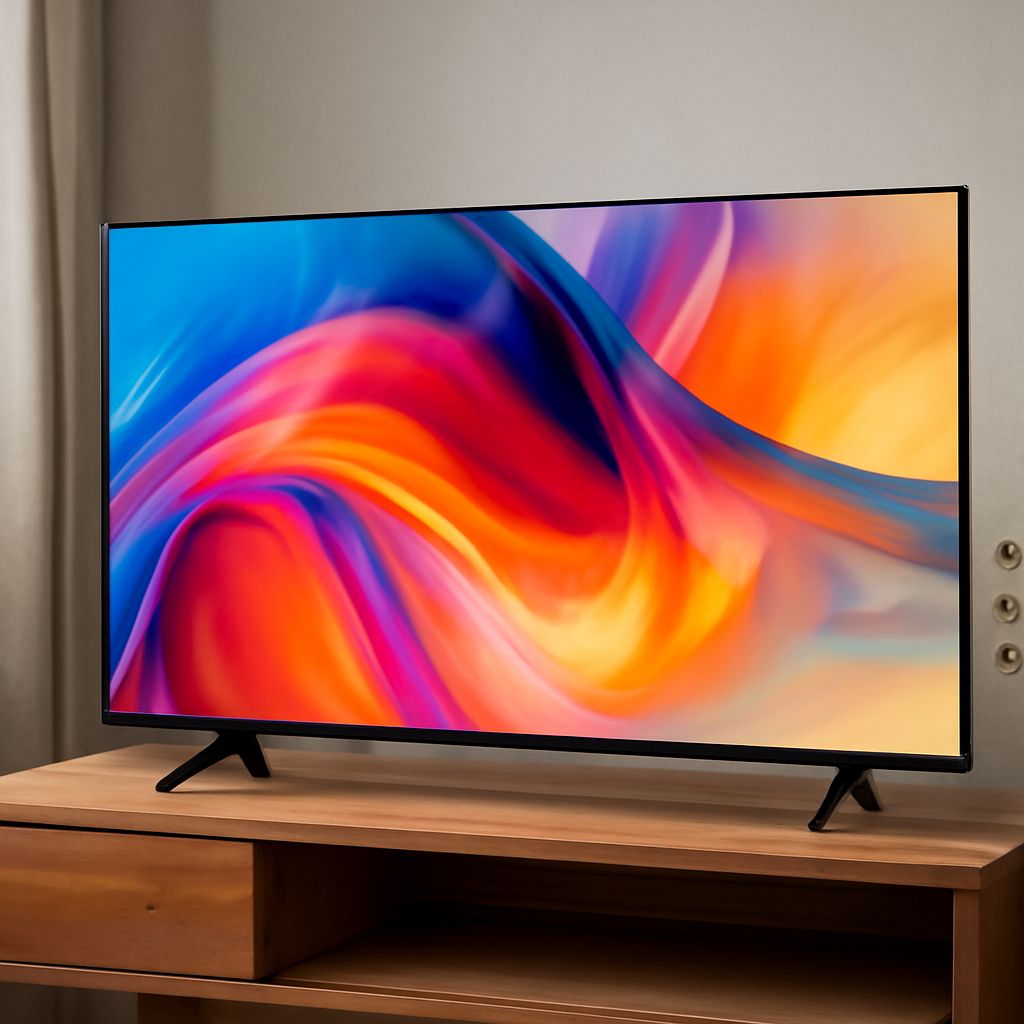
When selecting the perfect TV for your living space, understanding the size and dimensions is crucial. If you’re considering a 50-inch TV, the overall size and width are key factors that will influence your setup and viewing experience. Let’s break down the dimensions of a 50-inch TV, compare it with a 42-inch model, and explore why these measurements are so important.
What are the dimensions of a 50-inch TV?
The dimensions of a 50-inch TV typically refer to the diagonal measurement from one corner of the screen to the opposite corner. This does not directly convey the width or height of the TV. For most 50-inch TVs, you can expect the screen’s width to be approximately 43.6 inches (about 110.7 cm) and the height to be roughly 24.5 inches (about 62.2 cm). However, these measurements can vary slightly depending on the brand and model due to differences in bezel width and design.
How wide is a 50-inch TV?
The width of a 50-inch TV is an essential consideration, especially for fitting the TV on a specific stand or within a designated space. Generally, the width is about 43.6 inches. When planning your setup, ensure you have enough horizontal space to accommodate this measurement comfortably. Remember, the width does not include the stand or any additional frame that might be part of the TV’s design.
How do 42-inch TV dimensions compare?
Comparing a 50-inch TV to a 42-inch model can help determine which size is better suited for your needs. A 42-inch TV usually has a width of approximately 36.6 inches (about 93 cm) and a height of about 20.6 inches (about 52.3 cm). The smaller size makes a 42-inch TV a good choice for more compact spaces or for viewers who sit closer to the screen. The difference in dimensions also affects the visual experience and the room’s aesthetic, making it important to consider both the space available and your viewing preferences.
Why are TV dimensions important for setup?
Understanding TV dimensions is crucial when planning your home entertainment setup. The measurements determine the amount of space required for the TV and influence the viewing distance. Ideally, the seating distance should be about 1.5 to 2.5 times the diagonal screen size for HD TVs, which translates to approximately 6.25 to 10.5 feet for a 50-inch TV. This ensures an immersive viewing experience without causing eye strain.
Additionally, the TV’s width plays a role in selecting the right stand or wall mount. Ensuring that the stand can support the TV’s weight and width is vital for stability. If wall mounting, proper measurements will ensure the TV fits well on the wall and at a comfortable height for viewing.
By understanding these dimensions and considering your space and viewing habits, you can choose the right TV size that enhances your home entertainment experience. Whether you select a 50-inch or a 42-inch TV, knowing the exact width and dimensions will help you make an informed decision and create an optimal setup.