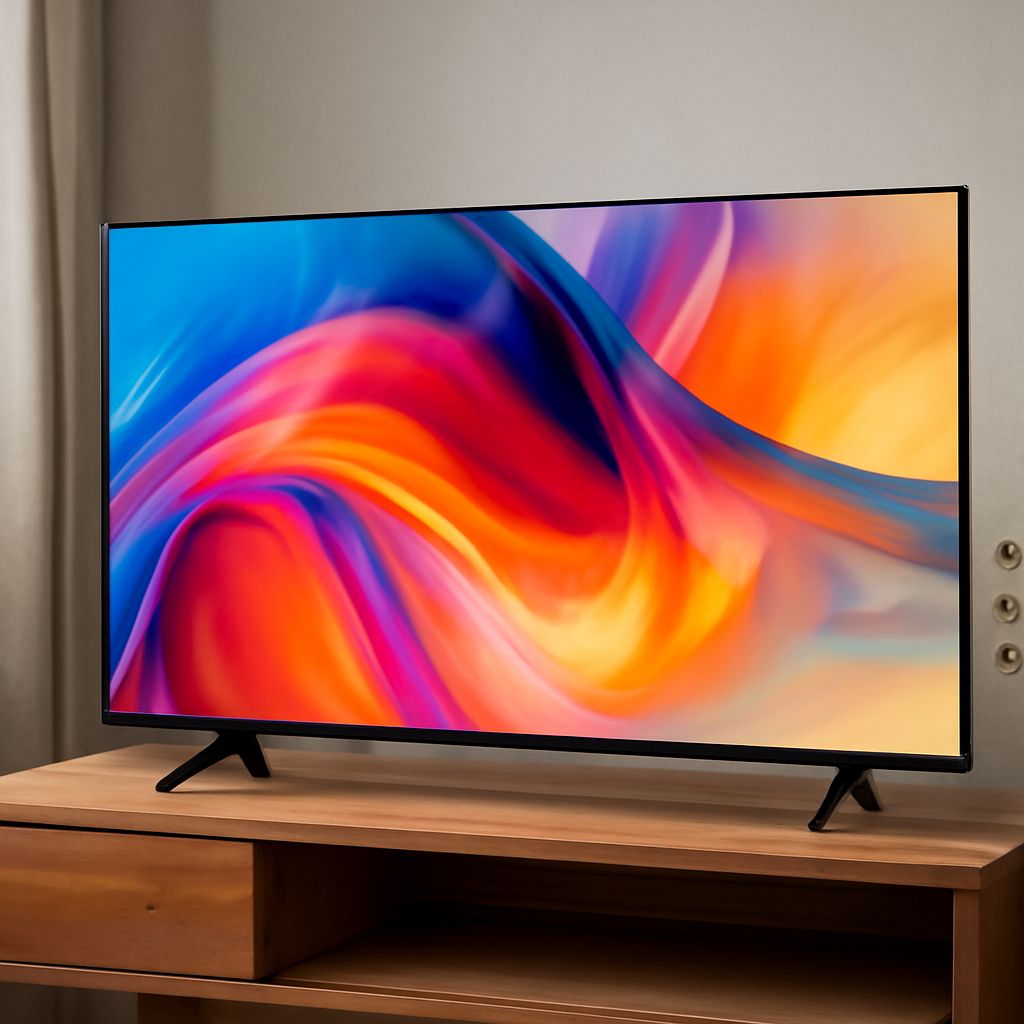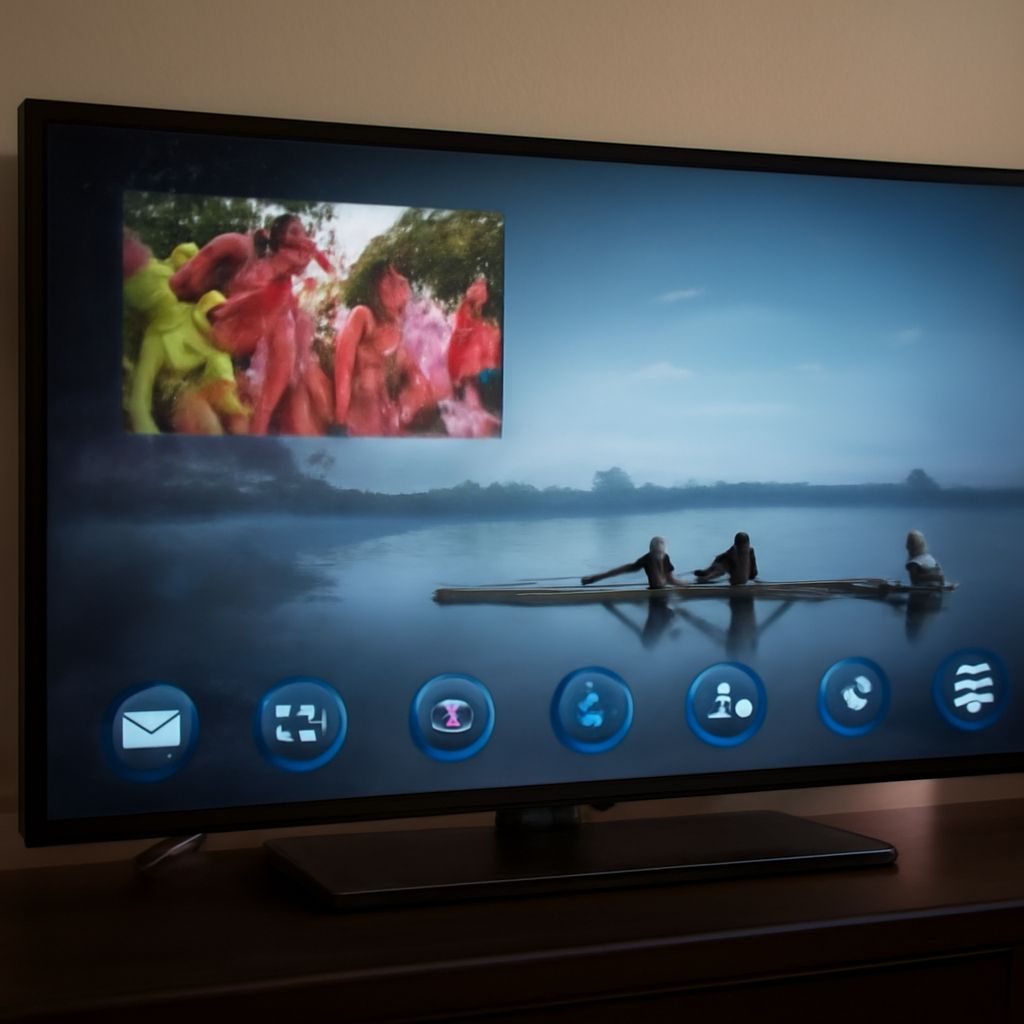
Smart TVs have revolutionized the way we consume content by integrating internet connectivity and various multimedia features into traditional television sets. If you’re wondering what a smart TV is and how it functions, this article breaks down the essentials, explores the history of the first smart TV models, and highlights the benefits of owning one.
What Defines a Smart TV?
A smart TV is essentially a television set equipped with internet capabilities and built-in applications, enabling users to stream videos, browse the internet, and access various online services directly from their TV screens. Unlike conventional TVs, smart TVs offer a more interactive and versatile viewing experience. They typically come with pre-installed apps like Netflix, Hulu, and YouTube, and can be expanded with additional apps through a built-in app store.
How Do Smart TVs Work?
Smart TVs operate by connecting to your home’s internet network, either wirelessly through Wi-Fi or via a wired Ethernet connection. This connectivity allows them to access streaming services, social media platforms, and other online content. They often feature a user-friendly interface, allowing viewers to navigate through different services using a remote control, voice commands, or even smartphones. Integrated operating systems, varying by brand and model, manage these functions and facilitate seamless switching between live TV, streaming apps, and other multimedia functionalities.
What Were the First Smart TVs?
The concept of a smart TV was introduced in the late 2000s. The first smart TV models were launched around 2007-2008 by brands like Samsung and LG. These early models offered basic internet connectivity and app functionality, marking the beginning of a new era in home entertainment. Samsung’s “Internet TV” and LG’s “NetCast” TV were among the pioneers, setting the stage for the advanced smart TVs we have today. These initial offerings laid the groundwork for more sophisticated features like voice control, virtual assistants, and high-quality video streaming that have become standard in recent models.
Benefits of Owning a Smart TV
Owning a smart TV comes with numerous advantages that enhance the overall viewing experience:
- Convenience and Versatility: Access to streaming services and apps directly from the TV eliminates the need for additional devices like streaming sticks or set-top boxes.
- Interactive Features: Many smart TVs support voice commands and integrate with smart home devices, allowing for hands-free control and seamless connectivity with other gadgets.
- Regular Updates: Software updates ensure that your smart TV remains compatible with the latest apps and features, keeping your technology current without the need for frequent hardware upgrades.
- Enhanced Picture Quality: Modern smart TVs often come with advanced display technologies such as 4K resolution and HDR, providing a more immersive and visually stunning viewing experience.
In conclusion, smart TVs have transformed the way we interact with television, providing a richer and more integrated viewing experience. With their internet connectivity, diverse app offerings, and interactive features, they represent a significant leap forward from traditional TV sets.