Routers are vital devices in any network setup, acting as gateways for data to travel between different networks. Understanding the different types of routers can help you choose the best one for your specific needs, ultimately impacting the performance and coexistence of your wireless network. In this article, we’ll explore the various types of routers available on the market and discuss their implications on wireless coexistence, as well as guide you on selecting the right router type for your requirements.
What are the Different Types of Routers?
The landscape of routers is diverse, and they can be categorized based on functionality, scale, and technology. Here, we will look at some of the common types:
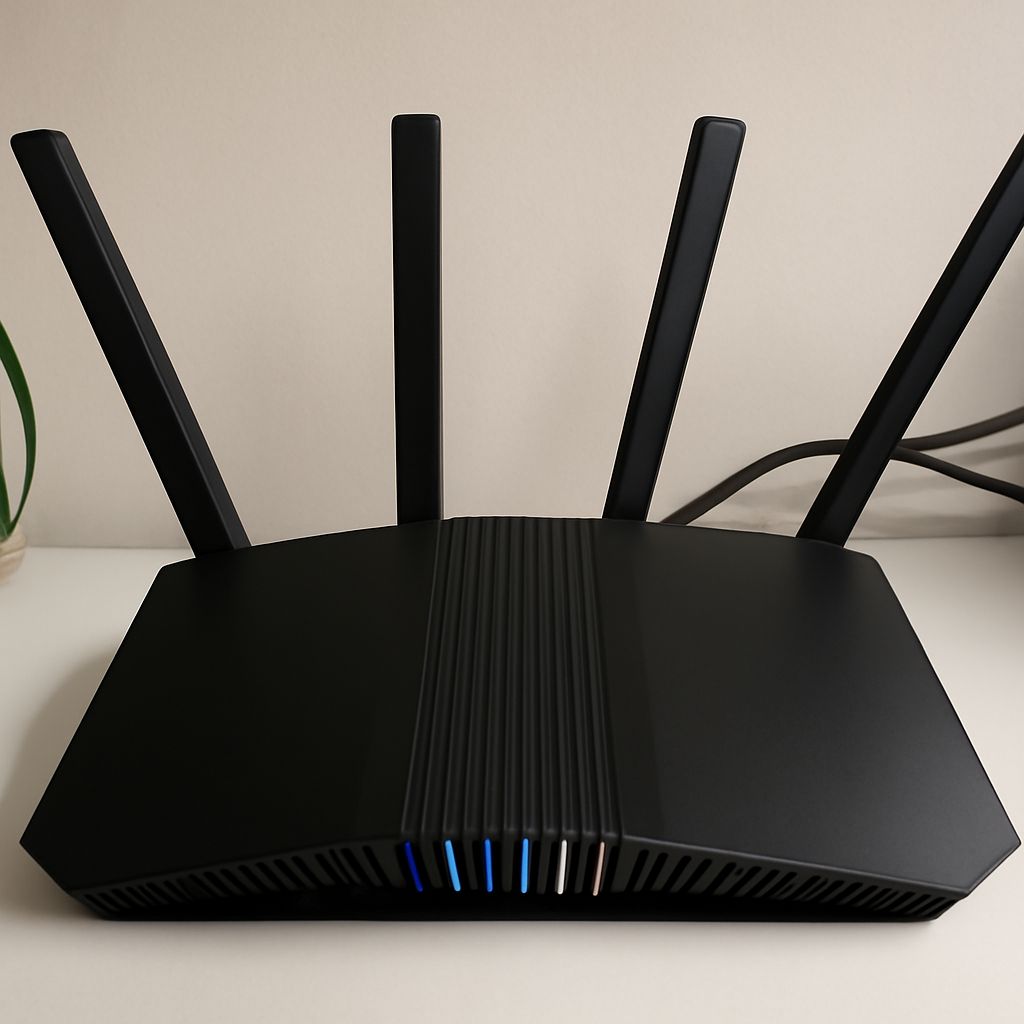
- Wireless Routers: These are the most common types found in homes and small businesses. A wireless router connects directly to a modem by a cable, sharing your internet connection wirelessly with multiple devices.
- Wired Routers: Unlike wireless routers, wired routers use Ethernet cables to connect devices to the network. They are ideal for businesses where security and speed are paramount.
- Core Routers: Used in large enterprises and ISPs, core routers are powerful devices that manage data traffic within a network. They are not used to connect external networks but serve as central hubs for handling large volumes of data.
- Edge Routers: These routers are situated at the network boundary and connect internal networks to external networks, such as the internet. They can be wired or wireless and are used to route data between networks.
- Virtual Routers: Operating as a software instance instead of a physical device, virtual routers provide dynamic failover capabilities, ensuring network continuity in the event of hardware failure.
How Do Routers Impact Wireless Coexistence?
Routers play a crucial role in ensuring wireless coexistence, which refers to the ability of different devices and networks to operate simultaneously without interference. The type and placement of a router can significantly affect wireless coexistence. Here’s how:
- Frequency Bands: Most routers operate on 2.4 GHz and 5 GHz bands. Dual-band routers allow simultaneous connections on both bands, reducing interference and improving coexistence.
- Channel Selection: Automatic channel selection in routers helps minimize interference by selecting the least congested channels. Manually adjusting channel settings can also enhance coexistence.
- Beamforming Technology: Routers with beamforming focus the wireless signal towards connected devices rather than broadcasting equally in all directions, enhancing signal strength and coexistence.
- Advanced Features: Modern routers often include features like Quality of Service (QoS) and MU-MIMO (Multi-User, Multiple Input, Multiple Output) that optimize network traffic and coexistence.
Which Router Type is Best for Your Needs?
Choosing the right type of router depends on your specific requirements regarding speed, coverage, security, and budget. Consider the following when selecting a router:
- Home Use: For typical home use, a wireless router with dual-band capabilities is often sufficient. It provides a balance of performance and price, suitable for streaming and browsing.
- Small Office: Small businesses may benefit from wired routers for enhanced security and reliability. However, a wireless router with advanced features can also be a good choice.
- Large Enterprises: Core routers are essential for companies that require high-speed and high-capacity data management. They ensure seamless data flow within the large network infrastructure.
- Budget Constraints: If budget is a concern, consider a router that offers essential features like QoS and dual-band without extraneous features that you may not need.
- Advanced Users: Tech-savvy users might opt for routers with customizable firmware settings, allowing them to tweak security and performance settings extensively.
Understanding the different types of routers and their impact on wireless coexistence can significantly improve your network’s efficiency and reliability. By considering your specific needs and evaluating the options available, you can choose the right router type that supports your goals and enhances your network experience.