In the rapidly evolving world of mobile technology, the SIM card has played a crucial role in enabling connectivity. The nano SIM card represents the latest iteration in SIM card technology, characterized by its small size and increased functionality. Understanding the nano SIM and its applications is essential for anyone interested in modern mobile devices.
What is a Nano SIM Card?
A nano SIM card is the smallest SIM card format available today, measuring 12.3 x 8.8 mm with a thickness of about 0.67 mm. Introduced in 2012, it was designed to offer more space within phones for other components. Despite its reduced size, it retains the same functionality as larger SIM cards, storing the user’s International Mobile Subscriber Identity (IMSI) and providing a secure environment for user information.
Why is Nano SIM Card Size Important?
The nano SIM card size is critical for several reasons. Firstly, its compact dimensions allow for sleeker, lighter devices. This is particularly important as manufacturers strive to create thinner smartphones with larger batteries and enhanced features. Secondly, the reduced size facilitates the inclusion of more components, such as advanced processors and larger batteries, without increasing the overall size of the device. Lastly, the shift towards nano SIM cards standardizes the technology across most new devices, simplifying user experiences when switching between phones or service providers.
How Does a Nano SIM Card Fit in Devices?
Fitting a nano SIM card into a device is straightforward, thanks to the standardized slot design found in modern smartphones and tablets. Devices are equipped with a SIM card tray that can be ejected using a pin or similar tool. The nano SIM card is then placed into the tray, ensuring the gold contact area aligns correctly with the device connectors. Once inserted, the tray is pushed back into the device, securely positioning the SIM card. This design not only protects the card but also ensures optimal connectivity and functionality.
Comparing Nano SIM with Other SIM Card Sizes
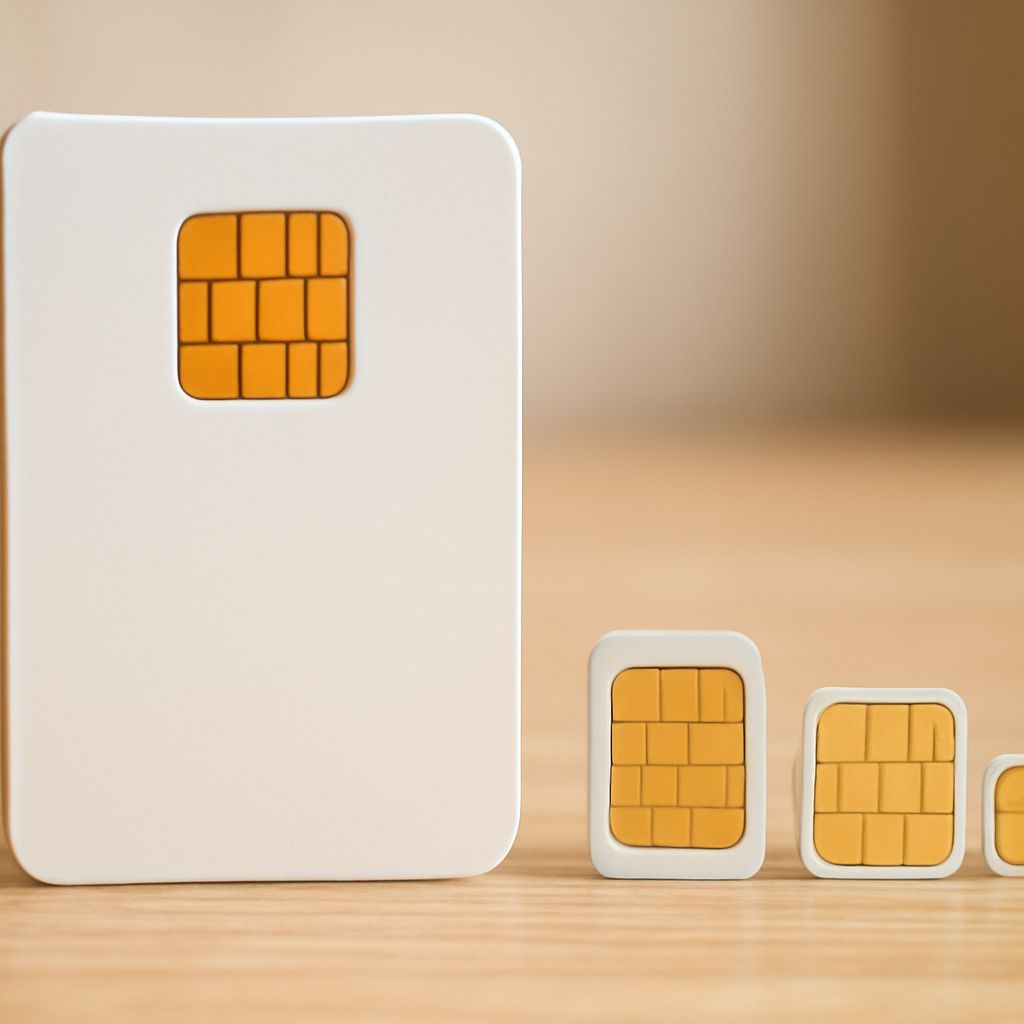
The evolution of SIM cards has seen a reduction in size and an increase in efficiency. Before the nano SIM, there were micro SIM cards, measuring 15 x 12 mm, and mini SIM cards, which were even larger at 25 x 15 mm. Despite their size differences, all these cards perform the same fundamental function: enabling network connectivity. However, the transition to smaller SIM cards like the nano SIM has allowed manufacturers to maximize internal space for enhanced hardware capabilities, a trend that aligns with the continuous demand for better technology in compact designs.