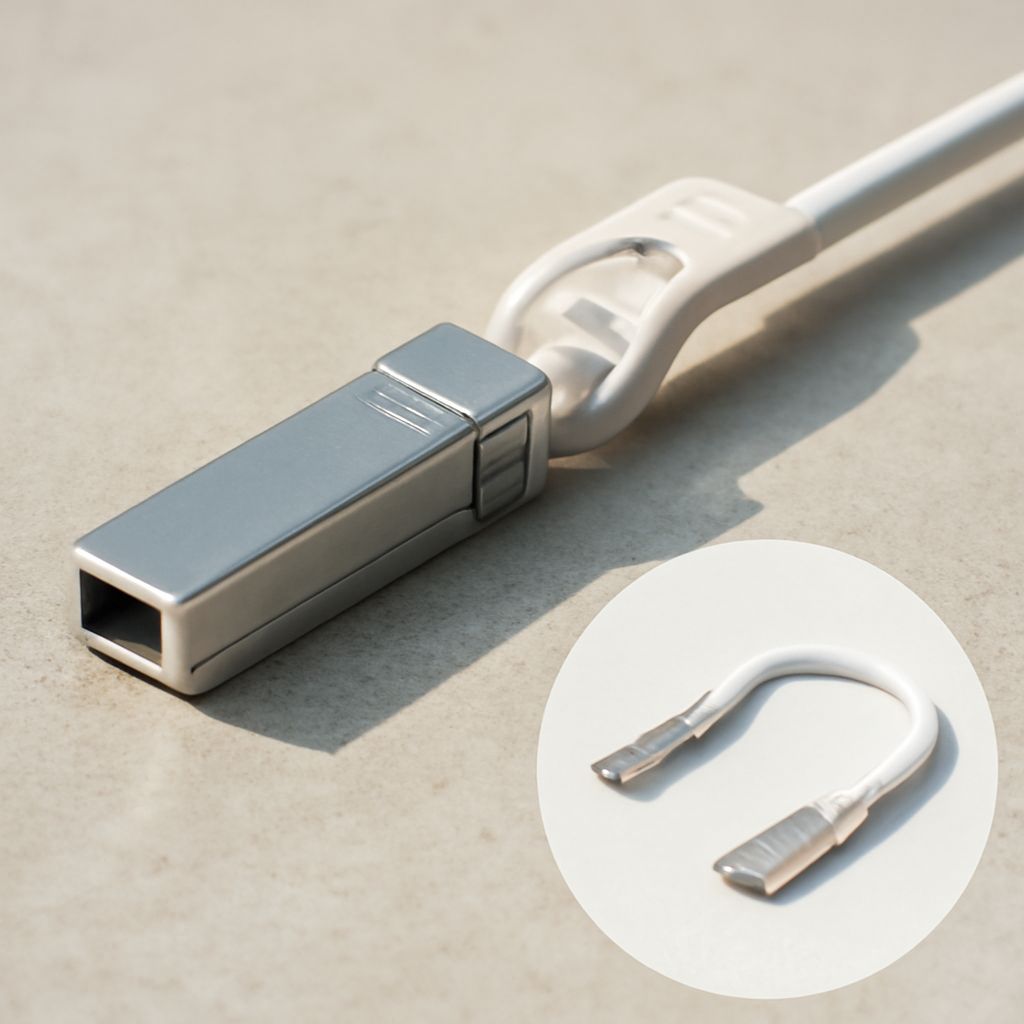
SFP+ and SFP fiber cables are crucial components in modern networking, offering high-speed data transmission and flexibility in various applications. This article explores their functions, integration with network devices, and advantages in wireless environments.
What is SFP+ and How Does It Work?
SFP+ stands for Small Form-factor Pluggable Plus, an enhanced version of the standard SFP module. It supports data rates up to 10 Gbps, making it ideal for high-performance networking environments. SFP+ modules are hot-pluggable, allowing for seamless upgrades and maintenance without interrupting network operations. They are widely used in data centers, enterprise networks, and telecommunication platforms to facilitate fast and reliable connections.
Role of SFP Fiber Cables in Networking
SFP fiber cables are essential for connecting SFP+ modules to various network devices. These cables come in different types, including single-mode and multi-mode fibers, to suit specific distance and speed requirements. Single-mode fibers are typically used for long-distance connections, while multi-mode fibers are suitable for shorter, high-speed links. The versatility of SFP fiber cables allows network administrators to tailor their infrastructure to specific needs, ensuring optimal performance and efficiency.
Integrating SFP+ with Routers and Access Points
Integrating SFP+ modules with routers and access points enhances a network’s capability to handle higher data loads and improve overall performance. SFP+ slots are often found in high-end routers and switches, allowing these devices to support faster uplinks and connections to other network hardware. By using SFP+ modules, businesses can future-proof their networks, enabling easy upgrades and scalability as bandwidth demands grow.
Benefits of Using SFP+ in Wireless Coexistence
The use of SFP+ modules in wireless networks aids in achieving seamless coexistence between wired and wireless infrastructure. With the rising demand for wireless connectivity, integrating SFP+ into network architectures ensures that wired backhaul connections can keep pace with wireless traffic. This integration reduces latency, boosts reliability, and enhances overall user experience across the network.
In summary, SFP+ and SFP fiber cables play a pivotal role in modern networking, offering flexibility, speed, and improved integration with existing network infrastructures. As technology continues to advance, the adoption of SFP+ solutions will be crucial for businesses seeking to maintain efficient and scalable networks.