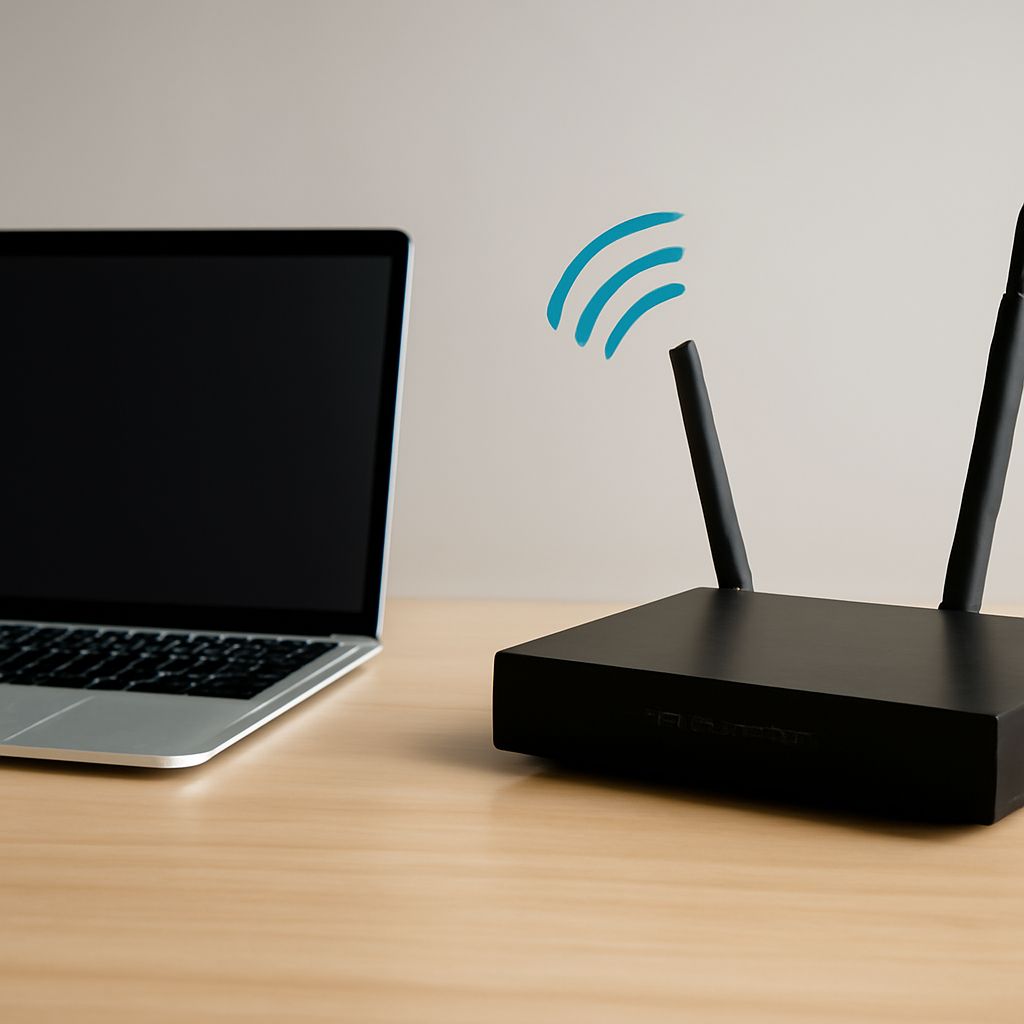
A reliable GMRS base station is a system, not an antenna purchase. Budget for the FCC license, a certified radio, 12-volt power supply, tuned GMRS base antenna, low-loss coax, and a safe mount. Choose antenna height and pattern around the terrain and intended users, then confirm both simplex and repeater operation.
The GMRS license cost is currently $35 for a new 10-year FCC license. That application fee is separate from equipment costs, which commonly total about $250 to $700 for a practical fixed station before major tower work.
What is the GMRS license cost, and what does it cover?
A GMRS license covers the named licensee and eligible immediate family members. Family members do not generally need separate GMRS licenses to communicate under that authorization, but roommates, friends, and unrelated coworkers are not automatically included merely because they share a home or station.
The $35 fee pays for the license application, not the radio service hardware. Allow for separate costs such as a $100–$300 mobile or base-style radio, a $40–$100 power supply, a $50–$200 antenna, coax, connectors, mounting hardware, and grounding or surge-protection parts. Fees and licensing rules can change, so confirm the amount in the FCC filing system when applying.
What does a GMRS base station need for a complete setup?
A fixed station can use a mobile GMRS radio indoors with an external power supply; it does not have to be a special box labeled “base.” Assemble these core parts:
- Radio: Select FCC-certified GMRS equipment with the channels and output modes allowed for the service. Repeater capability is important if you may use a nearby repeater or install one later. Programmable CTCSS and DCS tones help control access and reduce unwanted audio.
- Power supply: Use a regulated 12- to 14-volt supply rated above the radio’s maximum current draw. Leave headroom rather than operating a supply continuously at its limit.
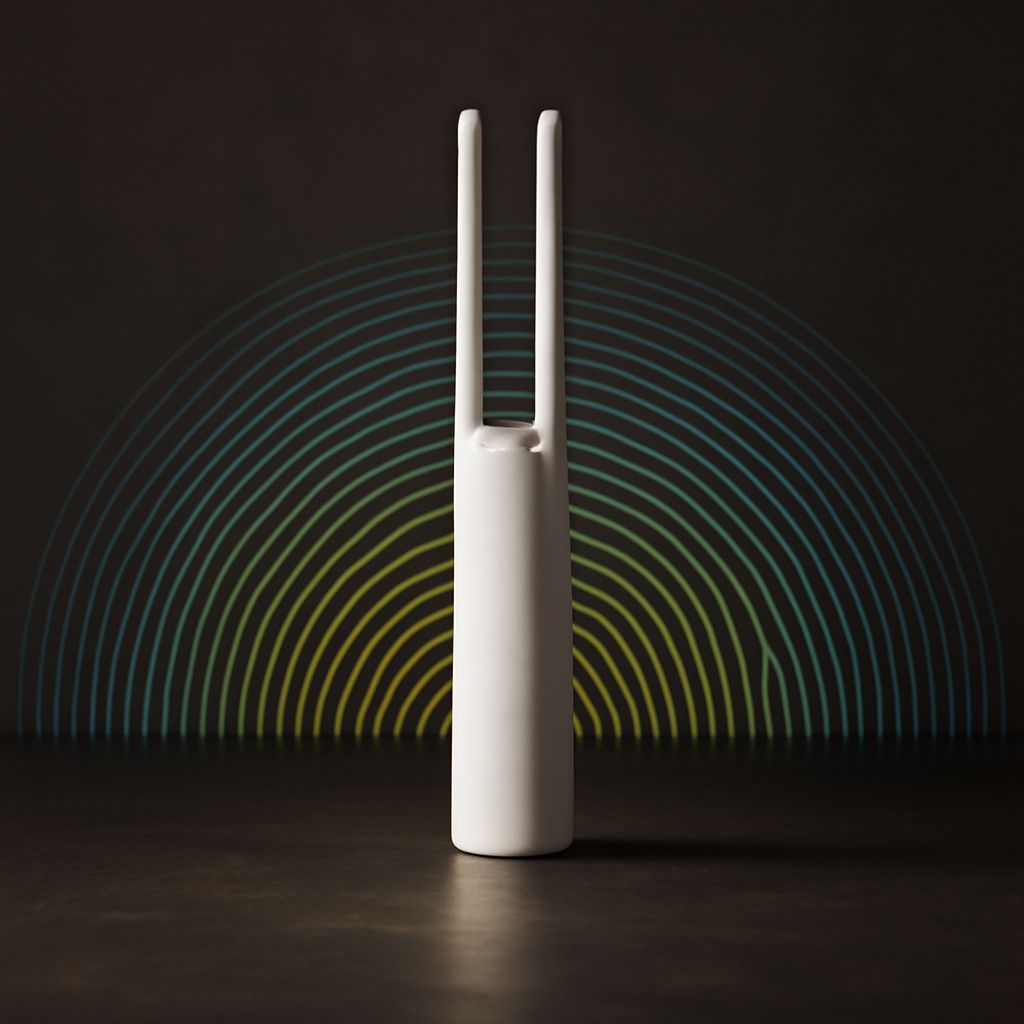
- Antenna: Choose a vertical antenna designed for the 462–467 MHz GMRS band. A random scanner or CB antenna is not an appropriate substitute.
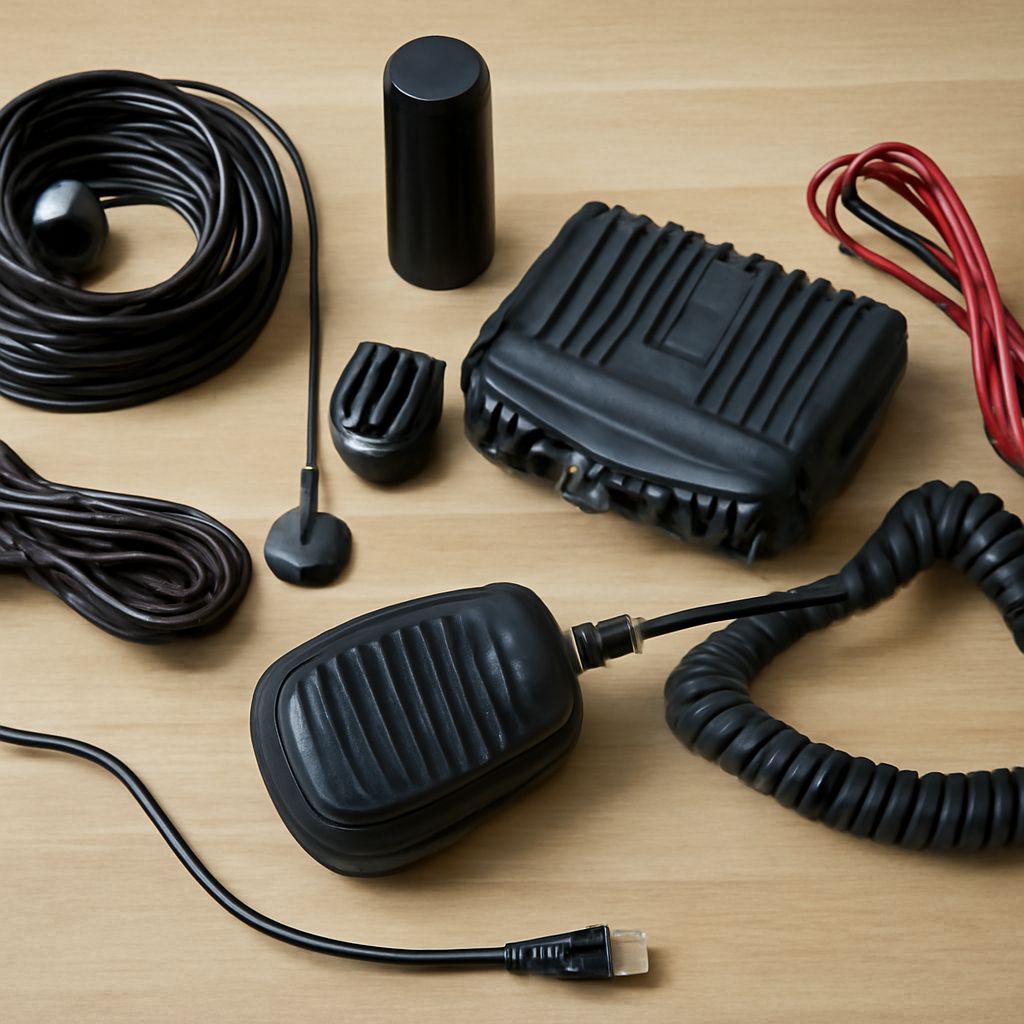
- Feed line: Run 50-ohm coax from the radio to the antenna. Use suitable connectors and weatherproof every outdoor connection.
- Mounting: An eave bracket, mast, tripod, or tower must support the antenna in local wind conditions. Add a drip loop, grounding, and an appropriate coax surge protector where practical.
Keep the radio’s external antenna connection secure and never transmit with the coax disconnected. A simple desk microphone and speaker can make a high-mounted radio easier to operate without changing the RF system.
How do you choose a GMRS base antenna for your site?
For users distributed around a property, a vertical omnidirectional antenna is usually the best starting point. It radiates around the mast and keeps polarization aligned with typical handheld and mobile antennas. A directional Yagi can work better when nearly all communication follows one valley, road, or ridge, but it sacrifices coverage behind and beside the antenna.
Gain must be considered with the antenna pattern. A higher-gain vertical generally compresses the radiation pattern toward the horizon. That can improve coverage across level terrain while weakening links to users close below the antenna or on sharply different elevations. A lower-gain antenna may provide more useful coverage on rolling or mountainous ground.
Height and unobstructed line of sight often matter more than a gain number on a product label. Place the antenna above nearby roofs, trees, and ridges when safely possible, but do not assume extra height guarantees a particular range. Terrain, foliage, buildings, radio placement, and interference all affect usable coverage. Compare dBi and dBd ratings consistently; dBi is approximately 2.15 dB higher than the equivalent dBd figure.
How should you plan height, coax, and tests for simplex and repeaters?
Use the shortest practical feed line. At UHF, long runs of small coax such as RG-58 can waste several decibels before the signal reaches the antenna. For a longer route, lower-loss 50-ohm cable such as LMR-400 or equivalent is often a better choice, even when it costs more and is less flexible. Measure the full route, including jumpers, and minimize adapters and unnecessary connectors.
After mounting the antenna, check the system before relying on it:
- Inspect the mast, connectors, weatherproofing, grounding, and cable for damage or sharp bends.
- Use an antenna analyzer or SWR meter covering the GMRS band. A reading near 1:1 is ideal; investigate a result above roughly 2:1 before extended transmitting.
- Program the same channel and optional CTCSS or DCS tone in two radios. Test simplex first from the base to several known locations, recording signal quality and dead spots.
- For repeater testing, program the repeater’s input/output split and access tone exactly as specified by its owner. Confirm both transmit access and clear reception before judging the base antenna.
These tests reveal whether a weak link comes from antenna placement, feed-line loss, terrain, or radio configuration rather than attributing every coverage problem to antenna gain.