A cell tower lease on private property starts with a carrier’s coverage or capacity need—not an owner’s application. The carrier’s radio plan defines a search area, and a parcel is useful only if it fits that plan and passes zoning, access, power, backhaul, terrain, and structural-feasibility tests. Contacting a tower company can put your property in front of a reviewer, but it does not create demand or guarantee a lease.
The process may involve a wireless carrier, a tower company, a site-acquisition firm, engineers, and construction contractors. Each party evaluates a different part of the project before the owner receives a firm proposal.
Why do carriers and tower companies choose one property over another?
A carrier first identifies a coverage gap, capacity problem, or network upgrade area. Its engineers create a target location, often called a search ring, where an antenna could improve service. The preferred parcel must provide the right height and geographic position; an underserved property outside that search area may have little value to the network.
Site-acquisition specialists then compare candidate properties and typically review:
- Zoning: whether local rules allow a tower or wireless facility, and what setbacks, hearings, screening, or height limits apply.
- Terrain: elevation, slopes, trees, buildings, flood risks, and the antenna’s line of sight to nearby users.
- Access: whether crews can reach the site during construction and later maintenance, including the route for trucks and emergency vehicles.
- Utilities and backhaul: whether commercial power and a fiber, microwave, or other communications connection can reach the facility at a workable cost.
- Structural feasibility: whether soil, foundations, wind conditions, and the proposed tower or building can support the equipment.
The carrier may lease antenna space from a tower company that develops or owns the structure. A site-acquisition firm may represent either party and coordinate negotiations, while contractors handle surveying, engineering, permitting, and construction.
What does a cell tower antenna need on site?
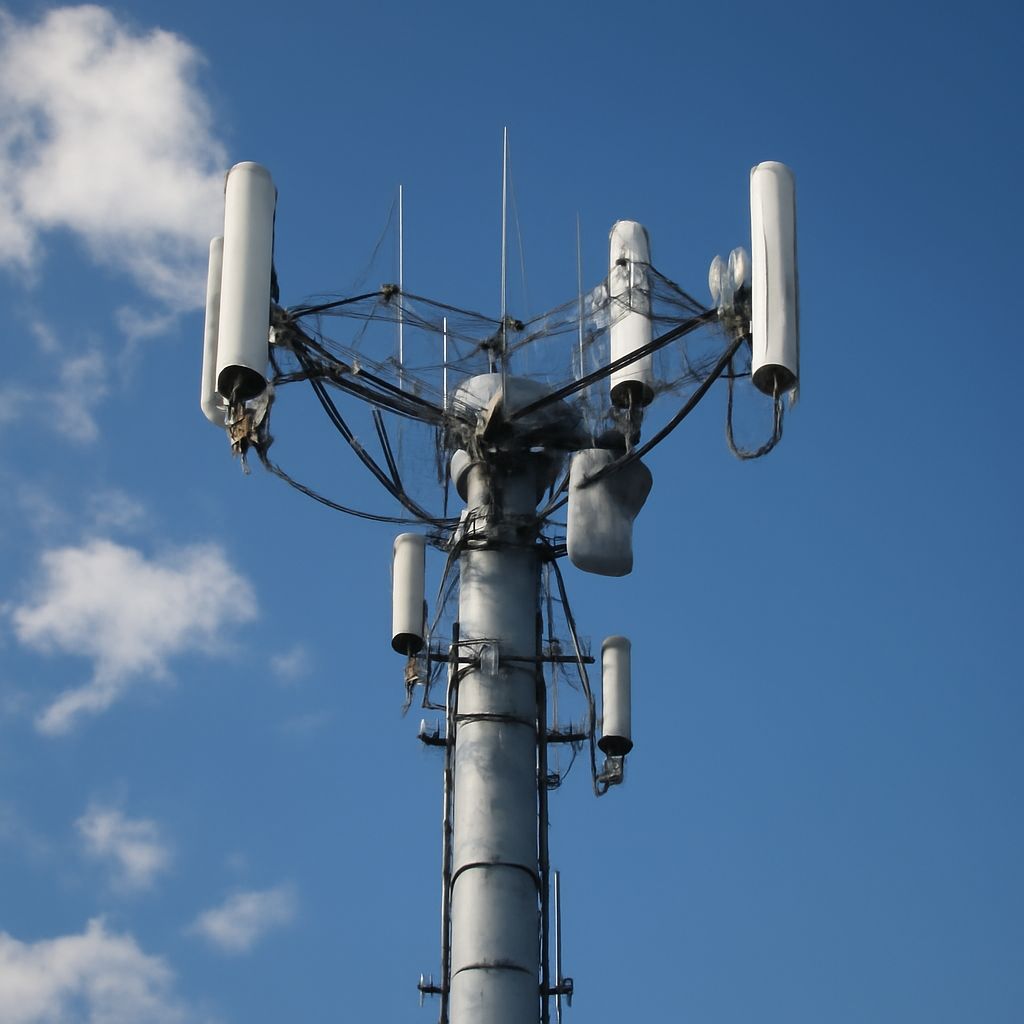
A cell tower antenna needs more than a pole or tower. The radio equipment must be mounted at an engineered height and orientation, with cables running to cabinets, shelters, or remote radio units. The site may require a fenced equipment compound, a foundation, grounding, security systems, and space for a generator or backup batteries.
Besides the main lease area, the project commonly needs an access easement and utility easements. Those rights allow the tenant and its contractors to enter the property, install power and communications lines, repair equipment, and replace components. Temporary construction space may also be needed for cranes, staging, and excavation.
Engineers will verify soil conditions, drainage, wind loading, tower height, antenna weight, and separation from nearby structures. On a rooftop or existing tower, they assess whether the structure can accept additional equipment. Power availability and backhaul are separate feasibility questions: a parcel may have one without the other, or both may be too expensive to connect.
How to get a cell tower on your property?
You cannot order a tower simply by offering land, but you can make a property easier to evaluate. Prepare a concise property package containing:
- The street address, parcel number, GPS coordinates, acreage, ownership information, and a map showing boundaries.
- Current zoning, known restrictions, easements, access roads, nearby structures, and any prior land-use approvals.
- Photographs and notes about elevation, open areas, tree cover, existing utility poles, power, and available fiber or other backhaul.
- Information about an existing building, water tank, tower, or other structure that could support antennas.
- Your preferred contact details and a clear statement that the property is available for wireless-facility review.
Submit the information to tower companies, carrier real-estate departments, or reputable site-acquisition firms active in the area. Ask whether the property fits a current search ring and who would pay for studies. A reviewer may reject it because of network design, zoning, access cost, or engineering limits even when the parcel appears well located.
What cell tower lease terms shape the land and construction?
Read the proposed lease as a land-use agreement, not just a rent offer. The lease area should identify the compound, tower or rooftop location, equipment space, and any temporary construction area. Separate access and utility easements should describe routes, repair rights, gates, vehicles, underground lines, and restoration duties.
Important financial and control terms include:
- Initial term and options: multiple renewal options can keep the property committed for decades, even if the initial term is short.
- Rent escalation: fixed increases or periodic percentage adjustments determine how rent changes over time.
- Expansion rights: the tenant may seek additional antennas, cabinets, generators, carriers, or ground space. Define what requires your consent and whether added equipment creates additional rent.
- Assignment: tower companies often request the right to transfer the lease to an affiliate, buyer, or another operator. Confirm notice, financial responsibility, and continuing obligations.
During diligence, the parties usually order a title review, boundary survey, environmental and geotechnical studies, radio analysis, structural review, utility estimates, and zoning approvals. The lease should state who pays for these steps and what happens if the project fails. After approval, contractors obtain permits, build the foundation and compound, install the tower and antennas, connect power and backhaul, and test the system. The agreement should also address insurance, indemnity, taxes, maintenance, construction damage, decommissioning, and removal or restoration when the lease ends.