Choosing the best used tires can be a practical and budget-friendly way to keep your vehicle running safely while saving money. With careful selection, it’s possible to find tires used only lightly, still offering excellent tread and reliable performance. However, evaluating both quality and value is essential to ensure your investment pays off. This guide explains why the best used tires are worth considering, compares new and used tire options, reveals where to source high-quality used tires, and details what to inspect before you commit to a purchase.
What makes the best used tires a smart choice?
The best used tires combine affordability with dependable performance, making them a smart choice for drivers who want to maximize value without sacrificing safety. A primary appeal is cost savings—used tires can cost 30% to 60% less than new ones. This makes them especially attractive for those driving older cars, planning to keep their vehicle for only a short time, or needing an immediate but affordable replacement.
When selected carefully, quality used tires can offer substantial tread life, often with 70% to 90% of their original tread remaining. Many reputable dealers inspect and grade used tires before resale, ensuring only safe, roadworthy options are offered. This means drivers can access premium brands and specialized tire types—like performance, all-terrain, or winter tires—at a fraction of the original price.
Another advantage is environmental: buying used tires helps reduce waste and the demand for new tire production, supporting sustainability goals. For fleets or families maintaining several vehicles, or for drivers who experience frequent tire damage due to rough roads, investing in the best used tires is an efficient and eco-friendly solution.
Ultimately, the best used tires are those that balance lower cost with proven reliability, provided you know how to select them and understand their remaining lifespan.
How do new and used tires compare for performance and safety?
When comparing new and used tires, performance and safety are top concerns. New tires always provide maximum tread depth, the latest manufacturing technology, and a full manufacturer warranty, making them the default choice for those seeking optimal performance. Their traction, braking, and water dispersion are consistently reliable across all road conditions, right out of the box.
However, top-grade used tires sourced from trustworthy dealers can closely match new tire performance, especially for everyday driving. Modern tires are engineered for durability, and many used models are removed from vehicles simply due to lease returns or seasonal swaps, not because of wear or damage. If a used tire retains most of its original tread and has been properly stored, it can deliver reliable grip, responsive handling, and predictable braking. For many drivers, the difference in performance for city driving or moderate highway use is minimal.
Regarding safety, tires used for only a short period can still provide strong protection against blowouts and loss of traction—as long as their age, condition, and structural integrity are verified. New tires, of course, eliminate any risk of hidden internal damage and are always the safest bet for high-speed, off-road, or high-performance driving. Still, buying from a reputable source and following inspection tips minimizes safety trade-offs with used options.
For drivers on a budget or with limited annual mileage, well-selected used tires are a practical option that can deliver satisfying performance without compromising safety—provided you take time to check their condition carefully.
Where can you find quality used tires?
Locating the best used tires starts with choosing a reputable supplier. Specialized used tire shops are the most reliable source, as they professionally inspect, clean, and grade every tire before sale. Leading national chains and local garages often carry both new and used tires, expanding your options and allowing you to compare choices side by side.
Online marketplaces—such as Tire Rack, SimpleTire, and eBay Motors—feature extensive listings of used tires, often filtered by size, brand, and tread depth. These platforms typically require sellers to provide detailed photos and descriptions, and some include buyer protection for added confidence. When shopping online, always check ratings and reviews for both the tire and the seller to avoid scams or misrepresented products.
Auto salvage yards, also known as junkyards or auto recyclers, are another potential source for used tires, particularly if you’re seeking a specific size or rare model. However, buying from these locations demands extra caution, as the tires may not have undergone professional inspection.
Finally, some tire retailers offer certified pre-owned programs, where used tires are guaranteed to meet stringent safety and quality standards. These programs provide the greatest peace of mind and often include short-term warranties, making them a strong choice for drivers new to the used tire market.
What should you check before buying used tires?
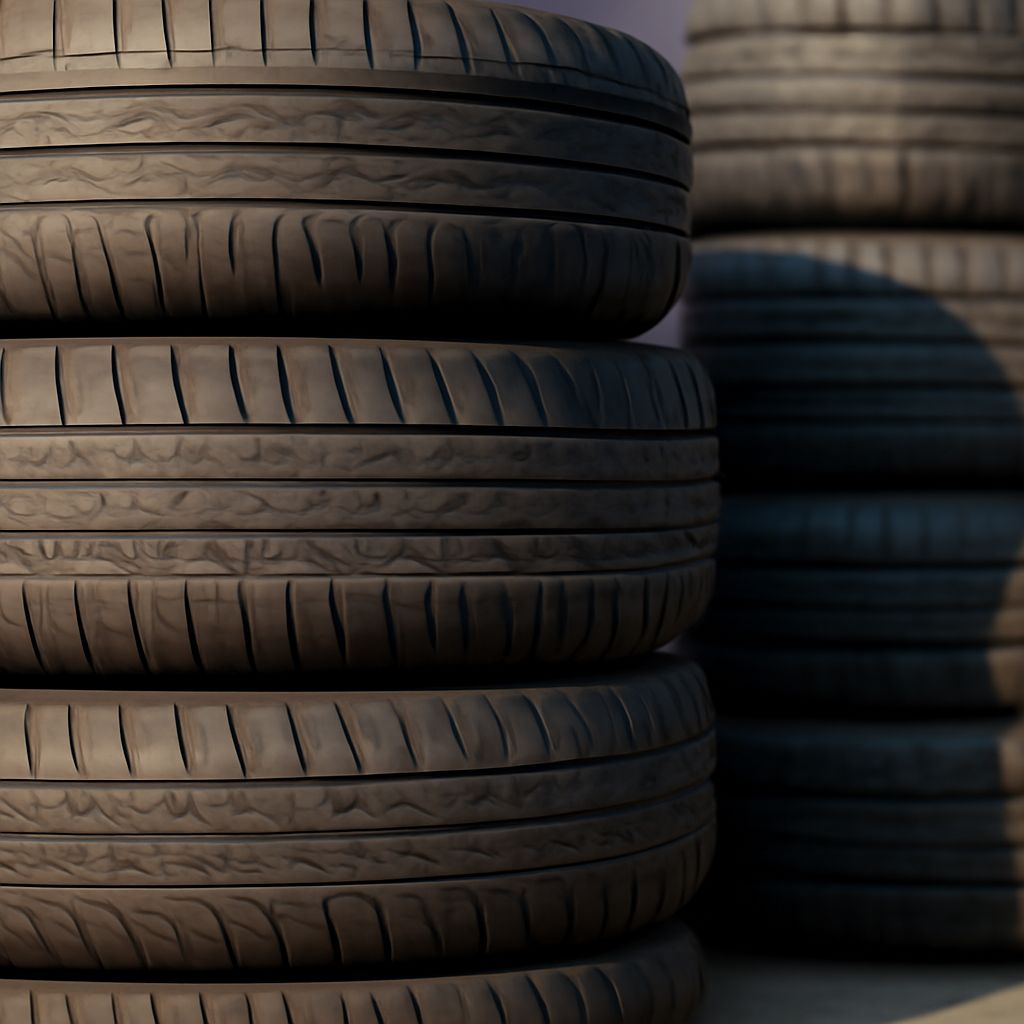
Before committing to any used tire, a thorough inspection is essential. Start by examining the tread depth: a safe minimum is 4/32 inch, but the best used tires will have 6/32 inch or more. Use a tread depth gauge or a simple penny test—if Lincoln’s head is obscured, the tread is sufficient for safe driving.
Next, check for uneven wear across the tread, which can indicate previous alignment issues or damage. Inspect the tire sidewalls for cracks, bulges, cuts, or exposed cords, as these defects compromise structural integrity. Avoid any tire with visible patches on the sidewall or multiple repairs, as these can lead to failure at highway speeds.
Review the DOT code stamped on the sidewall to determine the tire’s age. Most experts recommend avoiding tires older than six years, as rubber compounds deteriorate over time even if the tread appears adequate. Confirm that all tires in a set match in size, type, and tread pattern for balanced handling and even wear.
Finally, ask the seller about the tire’s history—how it was used, how it was stored, and whether it was removed from a vehicle due to lease return, rotation, or damage. Request a return policy or limited warranty where possible to protect your investment. By following these steps, you’ll identify the best used tires to keep your vehicle safe, efficient, and road-ready.