Keeping your wheels spotless isn’t just about aesthetics—it’s key for long-term vehicle care. Choosing between a wheel brush and a rim brush can greatly affect your cleaning results, especially if you want to reach every nook and cranny of your wheels. Understanding the distinctions and ideal uses for each will help you select the best cleaning tool, prevent damage, and maintain pristine wheels with less effort.
What is a Wheel Brush and How Is It Used?
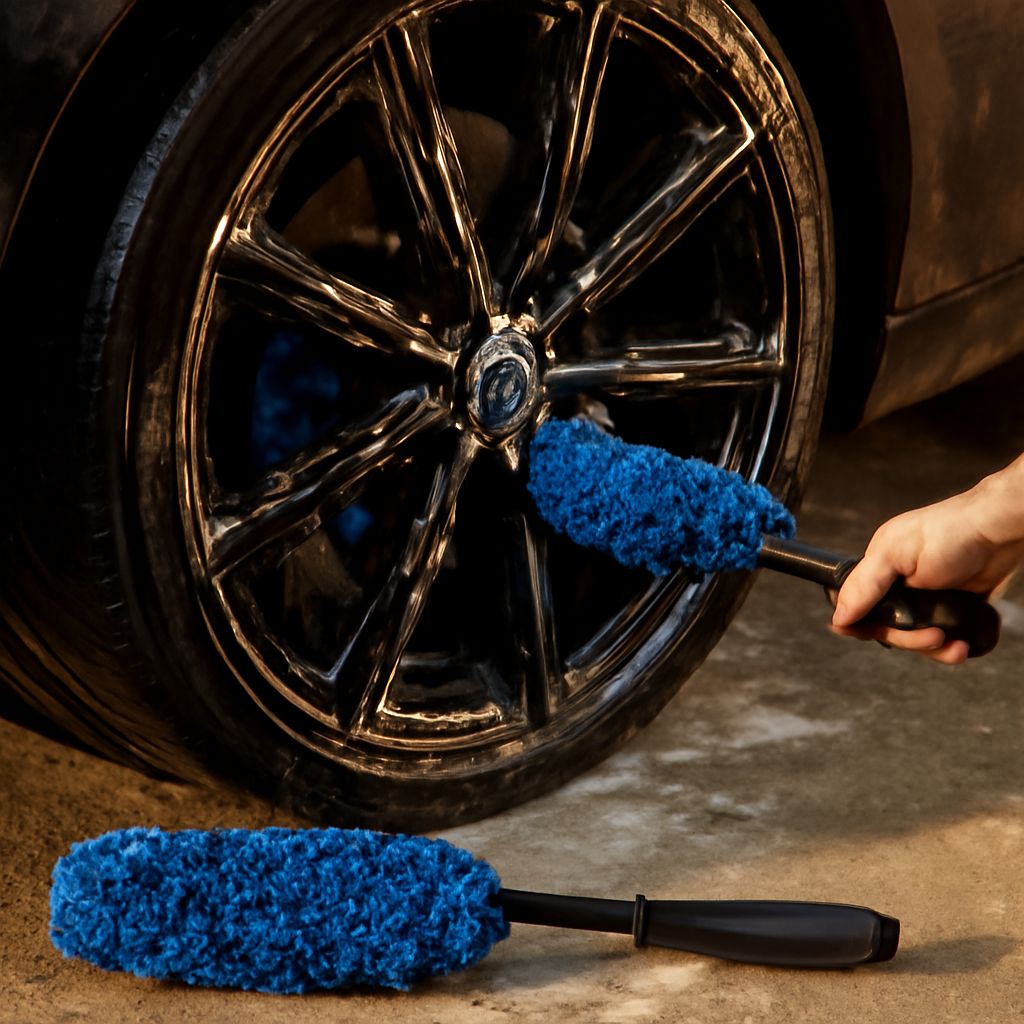
A wheel brush is a specially designed cleaning tool meant to tackle the broader surfaces of your vehicle’s wheels. Its primary function is to agitate and lift dirt, brake dust, and road grime from the front-facing areas and spokes. Wheel brushes often feature a long handle, soft yet sturdy bristles, and a shape that allows for effective pressure without risking scratches or damaging your wheels’ finish.
When using a wheel brush, you should first rinse the wheel to remove loose debris. Next, dip the brush into a bucket of car-safe wheel cleaner or soap. Using moderate pressure, scrub across the face of the wheel, paying attention to spokes and accessible crevices. The bristles work to dislodge grime, while a non-abrasive construction ensures delicate finishes stay unmarred. Some wheel brushes, such as the popular Mothers Wheel Brush or Chemical Guys Wheel Woolies, are engineered to be safe for all wheel types, including alloy, chrome, and painted finishes.
Wheel brushes excel at covering larger surface areas quickly. They are particularly effective for removing caked-on dust and mud from SUV or truck wheels, where surface area is substantial. The ergonomic handle design also helps reduce hand fatigue during lengthy cleaning sessions, making it easier to clean multiple wheels thoroughly in one go.
In summary, a wheel brush is ideal for regular wash routines targeting the main visible areas of your wheels. Choose one with soft, flexible bristles to avoid scratching, and look for a handle length that offers reach without sacrificing control.
How Does a Rim Brush Differ from a Wheel Brush?
A rim brush is crafted to address the tighter, harder-to-reach spaces of your wheels, particularly the inner barrel, lug nut recesses, and behind the spokes. Unlike a typical wheel brush, rim brushes often have a slimmer, more elongated profile and denser bristle arrangement. This design allows the brush to slip between narrow gaps, reaching areas that standard wheel brushes might miss.
The bristles on a rim brush are usually firmer and more closely set, offering the rigidity needed for deep cleaning in confined spaces. For example, the EZ Detail Brush and the Daytona Speed Master are two well-known rim brushes designed to flex and bend as you clean, maximizing contact with intricate surfaces within the rim. Rim brushes may also have protective caps and non-scratch tips, ensuring even the tightest corners receive a gentle touch.
To use a rim brush, you typically insert the brush through the spokes and rotate or push it along the inner barrel. This motion helps break up stubborn brake dust and grime that accumulates where it’s least visible but most likely to cause corrosion. Rim brushes are essential for enthusiasts who want to maintain the entire wheel assembly—not just the parts you see at a glance.
Ultimately, while both brushes aid in cleaning wheels, the rim brush’s shape and stiffness make it indispensable for thorough detailing, especially on wheels with intricate designs or deep dish profiles.
Which Brush Should You Choose for Your Vehicle?
The decision between a wheel brush and a rim brush depends on your wheel design, your cleaning goals, and how meticulous you want to be. If your wheels have large, flat surfaces with few spokes, a quality wheel brush may suffice for regular maintenance. It provides speed and coverage, allowing you to clean the visible areas efficiently.
However, if you have wheels with multi-spoke or mesh patterns, deep-dish rims, or recessed lug nuts, a rim brush becomes almost essential. It grants access to those tight spaces where brake dust, road salt, and grime tend to settle. For enthusiasts who value show-quality detailing or who live in areas with lots of road debris, combining both a wheel brush and a rim brush delivers the best results.
When selecting your tools, consider bristle material and length. Soft synthetic bristles are less likely to scratch delicate finishes, while longer handles offer better reach inside deep rims. Some brands offer kits with both types of brushes, such as Adam’s Polishes Wheel & Rim Brush Combo, making it easy to cover every surface efficiently.
In practice, most car care professionals recommend having both a wheel brush and a rim brush on hand. This approach lets you quickly tackle the main wheel face and then target problem areas that need detailed attention, ensuring your wheels look immaculate from every angle.
Tips for Effective Wheel and Rim Cleaning
Achieving spotless wheels requires more than just the right brushes. Start by rinsing the wheels thoroughly to dislodge loose dirt and prevent scratches during scrubbing. Always use a dedicated wheel cleaner compatible with your wheel type—avoid harsh acids on polished or bare metal finishes. Apply the cleaner generously and allow it to dwell according to the product instructions.
Work on one wheel at a time to prevent cleaner from drying prematurely. Begin with the wheel brush to cover the main surfaces, then switch to the rim brush for inner barrels and tricky spots around lug nuts. Use gentle, overlapping motions to avoid streaking or scratching, and rinse frequently to keep the bristles free of abrasive particles.
For heavily soiled wheels, consider using a separate bucket for wheel brushes and a grit guard to trap contaminants. After cleaning, rinse thoroughly and dry the wheels with a microfiber towel to prevent water spots. Finish with a wheel sealant or protectant to make future cleaning easier and to guard against brake dust adhesion.
Dedicate your wheel brush and rim brush exclusively to wheel cleaning—never use them on other parts of your car to avoid cross-contamination. With the right tools and these best practices, you’ll maintain gleaming wheels that enhance the overall look and longevity of your vehicle.