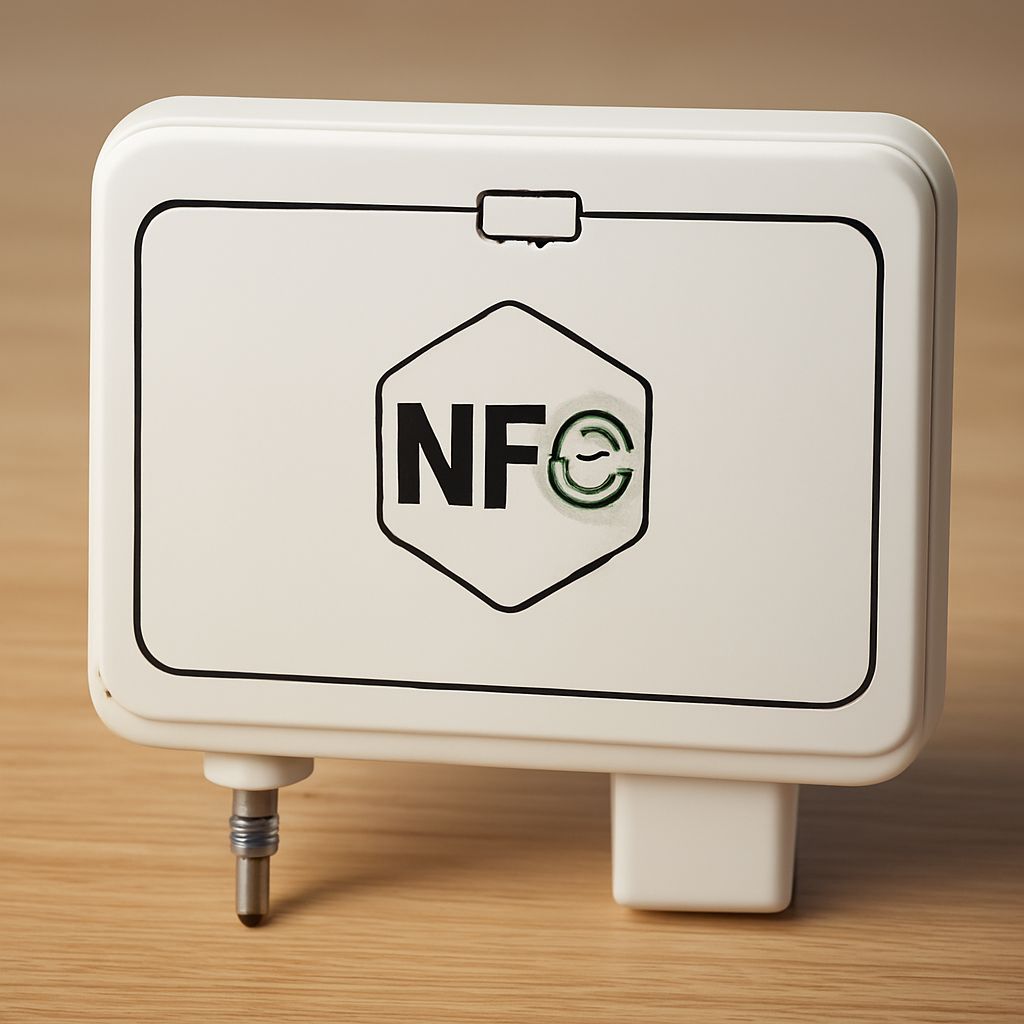
NFC technology has become a cornerstone in modern communication, streamlining interactions between devices and enhancing user convenience. If you’ve ever used contactless payment or transferred data between devices with just a tap, you’ve utilized NFC. This article explores NFC sensors and readers, their functionalities, applications, and key differences.
What is an NFC Sensor?
An NFC sensor is a component in NFC technology that detects and facilitates short-range communication between two devices. Typically embedded in smartphones, credit cards, and various IoT devices, these sensors allow the transfer of small amounts of data over a distance of a few centimeters. The sensor functions by creating a magnetic field when in proximity to another NFC-enabled device, enabling seamless data exchange.
Due to their passive nature, NFC sensors do not require power sources of their own. Instead, they harness energy from the magnetic field generated by an NFC reader. This quality makes them ideal for compact, battery-free applications, such as smart cards and contactless key fobs.
How Does an NFC Reader Work?
An NFC reader is an active device responsible for initiating communication with an NFC sensor. Commonly found in payment terminals and smartphones, these readers generate a magnetic field to power NFC sensors and facilitate data exchange. When a reader comes into close proximity with a sensor, it establishes a connection that allows for data transfer.
NFC readers support various functions, including reading information from NFC tags, writing data to them, and interacting with multiple devices simultaneously. Their versatility and ability to operate without direct contact make them crucial in numerous modern applications, particularly in mobile payments and secure access systems.
Applications of NFC Technology
The versatility of NFC technology has led to its adoption in a wide range of applications:
- Contactless Payments: NFC sensors and readers enable secure, swift transactions via smartphones and credit cards, simplifying everyday purchases.
- Access Control: NFC technology is used in key cards and security systems to grant or restrict entry to buildings and rooms.
- Data Transfer: Devices equipped with NFC can exchange information, such as contact details or images, with a simple tap.
- Public Transport: NFC-powered cards and tickets facilitate quick, hassle-free access to transportation services.
- Smart Advertising: NFC tags embedded in posters or products allow users to retrieve more information directly on their phones.
Differences Between NFC Sensors and Readers
While NFC sensors and readers are integral to NFC technology, they serve distinct roles:
- Functionality: NFC sensors are passive components that respond to signals from active readers, whereas NFC readers initiate communication and provide power to sensors.
- Power Requirements: Sensors are energy-independent, drawing power from the reader’s magnetic field, while readers require an external power source to function.
- Usage Scenarios: NFC sensors are often used in portable, low-power applications, such as smart cards, while readers are employed in more active roles, like payment terminals and smartphones.
- Complexity: Readers are generally more complex, capable of multiple functions like reading, writing, and interacting with several devices at once.
NFC technology continues to grow, offering innovative solutions for various industries. Understanding the roles of NFC sensors and readers is crucial for leveraging this technology in developing user-friendly, efficient systems.