SIP phones, or Session Initiation Protocol phones, are advanced communication tools designed to facilitate voice over Internet Protocol (VoIP) calls. These devices utilize SIP technology to establish, manage, and terminate calls via the internet, offering a modern alternative to traditional telephony systems. With the increasing demand for efficient and cost-effective communication solutions, SIP phones have become essential components in both corporate and residential wireless networks. Let’s delve deeper into how SIP phones work, their integration with routers and access points, and the benefits they bring to wireless networks.
What are SIP Phones and How Do They Work?
SIP phones are specialized devices that use the Session Initiation Protocol to connect to VoIP networks. Unlike traditional phones that rely on circuit-switched networks, SIP phones operate digitally, sending voice data over IP networks. This process begins with the SIP device initiating a session, followed by the management of data packets containing voice information, and concluding with the termination of the call once the conversation ends.
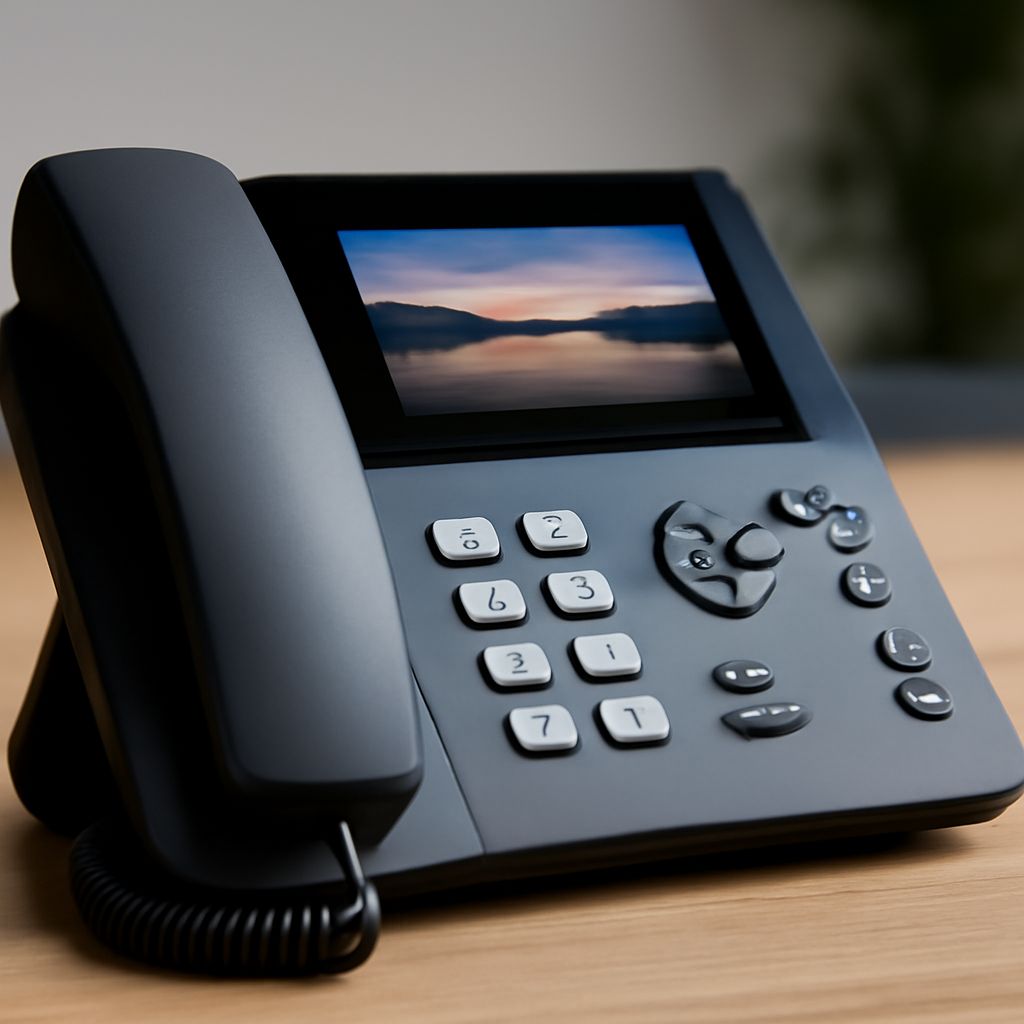
These phones can be either hardware-based, resembling traditional telephones, or software-based applications that run on computers or mobile devices. Hardware SIP phones typically feature Ethernet ports for direct connection to a network, while software SIP phones leverage existing internet connections on devices. By using SIP technology, these phones ensure high-quality voice communication and allow for functionalities such as call forwarding, voicemail, and conference calling.
Why Integrate SIP Phones with Routers and Access Points?
Integrating SIP phones with routers and access points is crucial for optimizing their performance in wireless networks. Routers manage data flow between network devices, and access points extend the wireless coverage, providing a seamless connection for SIP devices. This integration allows SIP phones to maintain stable communication channels, minimizing latency and packet loss.
When SIP phones are connected to routers, they benefit from advanced network management features such as Quality of Service (QoS). QoS prioritizes voice data packets over less critical network traffic, ensuring clear and uninterrupted calls. Access points play a vital role in extending wireless coverage, especially in large spaces or areas with physical obstructions. By strategically placing access points, users can achieve consistent signal strength and coverage for all SIP devices within the network.
Key Benefits of Using SIP Devices in Wireless Networks
The implementation of SIP devices in wireless networks offers several compelling advantages:
- Cost Efficiency: SIP phones reduce communication costs by utilizing existing internet connections for calls, eliminating the need for separate phone lines.
- Scalability: Adding new SIP devices to a network is straightforward, making it easy for businesses to scale their communication infrastructure as needed.
- Enhanced Features: SIP phones offer advanced functionalities such as call conferencing, voicemail, and call forwarding, which are often absent in traditional telephony systems.
- Mobility: With SIP technology, users can make and receive calls from anywhere within the wireless network range, enhancing mobility and flexibility.
- Interoperability: SIP phones are compatible with a wide range of VoIP services, ensuring users can choose from various providers without being locked into a single system.
Incorporating SIP phones into wireless networks not only enhances communication efficiency but also provides a future-proof solution adaptable to technological advancements and organizational growth. As businesses and home users continue to seek reliable and dynamic communication options, SIP devices stand out as a versatile and effective choice.