FCC Part 95, FCC Part 15B, and FCC Element 3 refer to three different FCC subjects. Part 95 governs named personal radio services, Part 15B addresses emissions from unintentional-radiator equipment, and Element 3 is part of a commercial radio operator examination.
The quickest way to classify a question is to identify what it concerns: a radio service, a device’s electromagnetic emissions, or an operator’s knowledge. These references are not levels or interchangeable parts of one radio license.
What Does FCC Part 95 Govern for Personal Radio Services?
FCC Part 95 contains the rules for the FCC’s named Personal Radio Services. These rules govern how certain personal and short-range radio services operate, including matters such as frequencies, authorized power, equipment requirements, licensing, eligibility, and operating practices.
Individual users, families, hobbyists, and businesses that operate equipment in one of these services typically encounter Part 95. Manufacturers and sellers also use it when determining whether a radio is designed and authorized for a particular personal radio service.
A handheld General Mobile Radio Service (GMRS) radio is a representative Part 95 context. A question about whether a person may use GMRS, what operating conditions apply, or which equipment is permitted is primarily a service-rules question. Other examples include Family Radio Service (FRS), Citizens Band (CB), and Multi-Use Radio Service (MURS).
Part 95 does not provide one universal rule set for every radio device. Its provisions are tied to specific named services, so the relevant service must be identified before applying the rules.
What Does FCC Part 15B Govern for Unintentional Radiators?
FCC Part 15B is the portion of Part 15 that addresses unintentional radiators. These are devices that generate or use radio-frequency energy internally but are not designed to transmit that energy as a communications signal. Part 15B focuses on controlling unwanted conducted and radiated emissions.
Manufacturers, importers, compliance engineers, testing laboratories, and product purchasers typically encounter Part 15B. The rules help determine whether covered equipment meets applicable emission limits and equipment-authorization requirements before it is marketed or used.
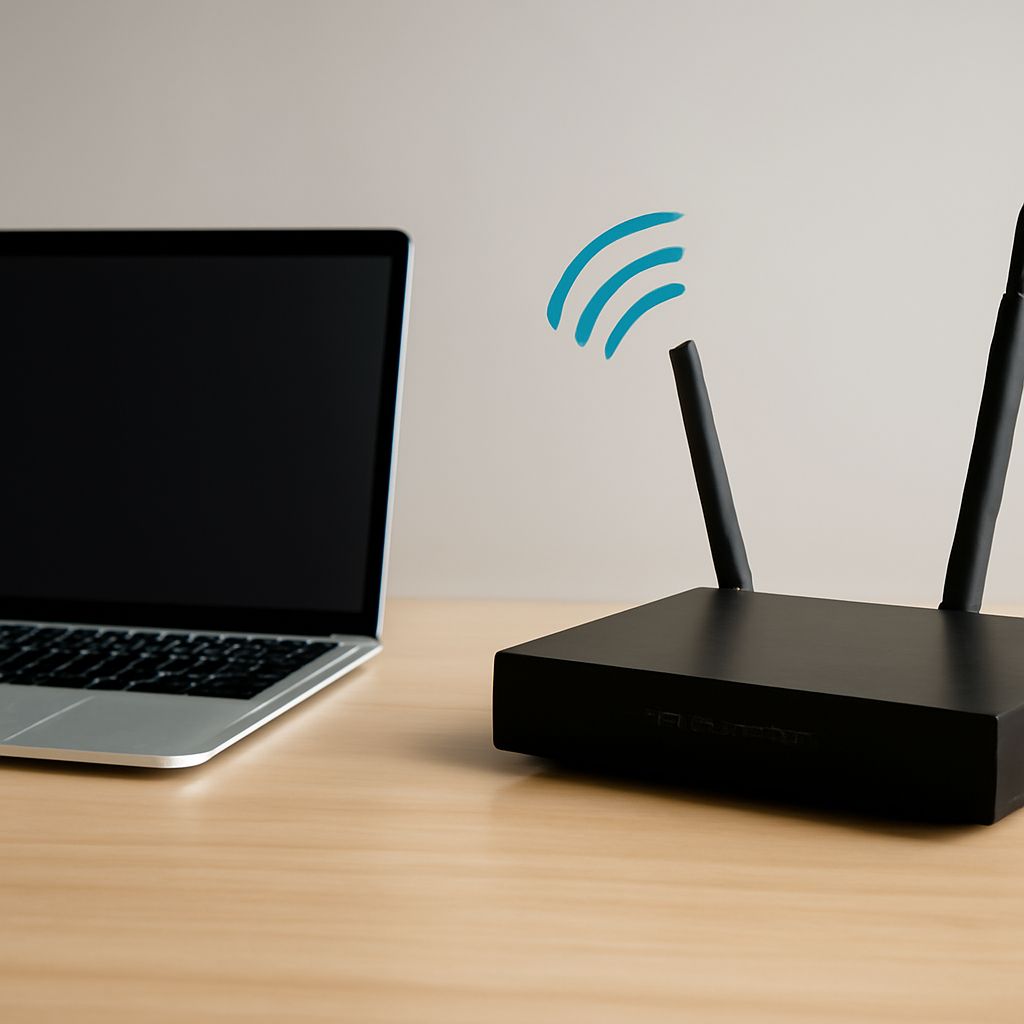
A laptop computer is a representative example. Its processor, clock circuits, display electronics, and other digital circuitry can produce radio-frequency emissions even though the computer is not being used as a conventional radio transmitter. A question about testing that laptop or limiting its interference is an equipment-compliance question under Part 15B.
A device can have more than one regulatory consideration. For example, a computer with Wi-Fi or Bluetooth also contains intentional transmitters that may be evaluated under separate requirements. Part 15B itself concerns the device’s unwanted emissions, not the personal radio service in which a person communicates.
What Is FCC Element 3 for Commercial Radio Operators?
FCC Element 3 is an examination element for commercial radio operator licensing. It identifies knowledge that a candidate must demonstrate; it does not establish emission limits for equipment and does not define a personal radio service.
People preparing for the FCC General Radiotelephone Operator License (GROL) commonly encounter Element 3. The element covers general radiotelephone knowledge, including relevant radio principles, operating practices, and regulatory material. Commercial operator examination managers and employers assessing operator qualifications may also refer to it.
The GROL generally requires both Element 1 and Element 3. Therefore, passing Element 3 by itself is not the same as receiving a complete commercial operator license. A question about exam preparation, required elements, or the knowledge tested belongs to the examination category.
Element 3 also does not authorize a particular handheld radio or automatically grant permission to operate every radio station. Its role is to measure knowledge for a commercial operator credential.
How Do Equipment, Service, and Exam References Differ?
Use this compact map to separate the three references:
- Equipment: FCC Part 15B. It governs unwanted emissions from unintentional radiators. A digital device such as a laptop, computer peripheral, or similar electronic product is the representative context. Manufacturers and compliance teams are the most frequent users of this reference.
- Service: FCC Part 95. It governs the operating rules for named Personal Radio Services. A GMRS, FRS, CB, or MURS radio is the representative context. Radio users, service-specific licensees, manufacturers, and sellers typically encounter it.
- Exam: FCC Element 3. It governs the subject matter tested in a commercial radio operator examination. The GROL examination is the representative context. Candidates, examiners, and employers assessing commercial operator qualifications use it.
In practice, “What emissions limits apply to this computer?” points to Part 15B; “Which rules apply to this GMRS operation?” points to Part 95; and “What knowledge must I demonstrate for the commercial operator exam?” points to Element 3. The first concerns equipment, the second concerns a radio service, and the third concerns an examination.