Change one variable at a time before trying foil or an amplifier. TV antenna signal strength fluctuates because small changes in position, reflections, obstructions, and electrical noise can push a digital signal above or below the reception threshold.
To learn how to boost an indoor TV antenna signal, first identify the weakest channels, then test height, direction, and distance from interference. A controlled comparison is more reliable than wrapping the antenna in aluminum foil.
Why TV antenna signal strength fluctuates: multipath, obstructions, and noise
Indoor antennas receive both the direct broadcast signal and reflected versions of it. This effect, called multipath, occurs when signals bounce off walls, windows, roofs, and nearby metal. The reflected waves can arrive out of phase and partially cancel the direct signal. Moving the antenna a few inches may therefore improve one channel while weakening another.
Obstructions also matter. Exterior walls, foil-backed insulation, brick, concrete, furniture, and even a person standing near the antenna can reduce reception. Local electrical noise from LED lamps, phone chargers, televisions, Wi-Fi equipment, and poorly shielded cables may add interference.
Digital TV usually looks perfect until the signal falls below its reception threshold. Instead of gradually becoming snowy, the picture may freeze, break into blocks, or disappear. A stronger reading is useful, but stable reception on the weakest channels is the result to pursue.
How to boost an indoor TV antenna signal: map weak channels before rescanning
Start with a baseline so each test has something to compare against:
- Connect the antenna directly to the TV, bypassing splitters and unnecessary extensions.
- Run one channel scan with the antenna in its current position.
- Write down the channels that freeze, vanish, or take longer to lock. Include their physical channel numbers if the TV displays them.
- Open the television’s signal information or diagnostics screen, if available, and record strength or quality for the weakest channels.
- Watch each weak channel for several minutes. A channel that initially appears strong but later breaks up is not a successful baseline.
Do not scan repeatedly after every small adjustment. A scan updates the tuner’s channel list; it does not itself increase signal strength. Use the existing channel list and signal meter while comparing positions. Rescan after a major relocation, such as moving the antenna to another room or window, or after installing a different antenna. Compare the same weak channels after every test.
Test antenna height, direction, and distance from interference one at a time
Use this order for a repeatable placement test:
- Height: Move the antenna higher, ideally near an exterior window or above large furniture. Test the original height and the new height without changing direction.
- Direction: Rotate the antenna in small increments while keeping its height fixed. If local stations come from different directions, find the position that keeps the greatest number of weak channels stable rather than maximizing one channel.
- Distance: Move the antenna away from the TV, power strips, LED lights, routers, chargers, and other electronics. Keep the coaxial cable away from power cords where practical.
- Obstructions: Test an unobstructed window position against the same position with blinds, curtains, or nearby objects present.
Change only one factor per test and wait long enough to observe live playback. Record the result for every weak channel, not just the strongest station. If a change improves one channel but causes another to fail, multipath or differing transmitter directions is likely involved. Keep the position that delivers stable reception across the channels you actually watch.
Can you boost a TV antenna signal with aluminum foil, or is different equipment better?
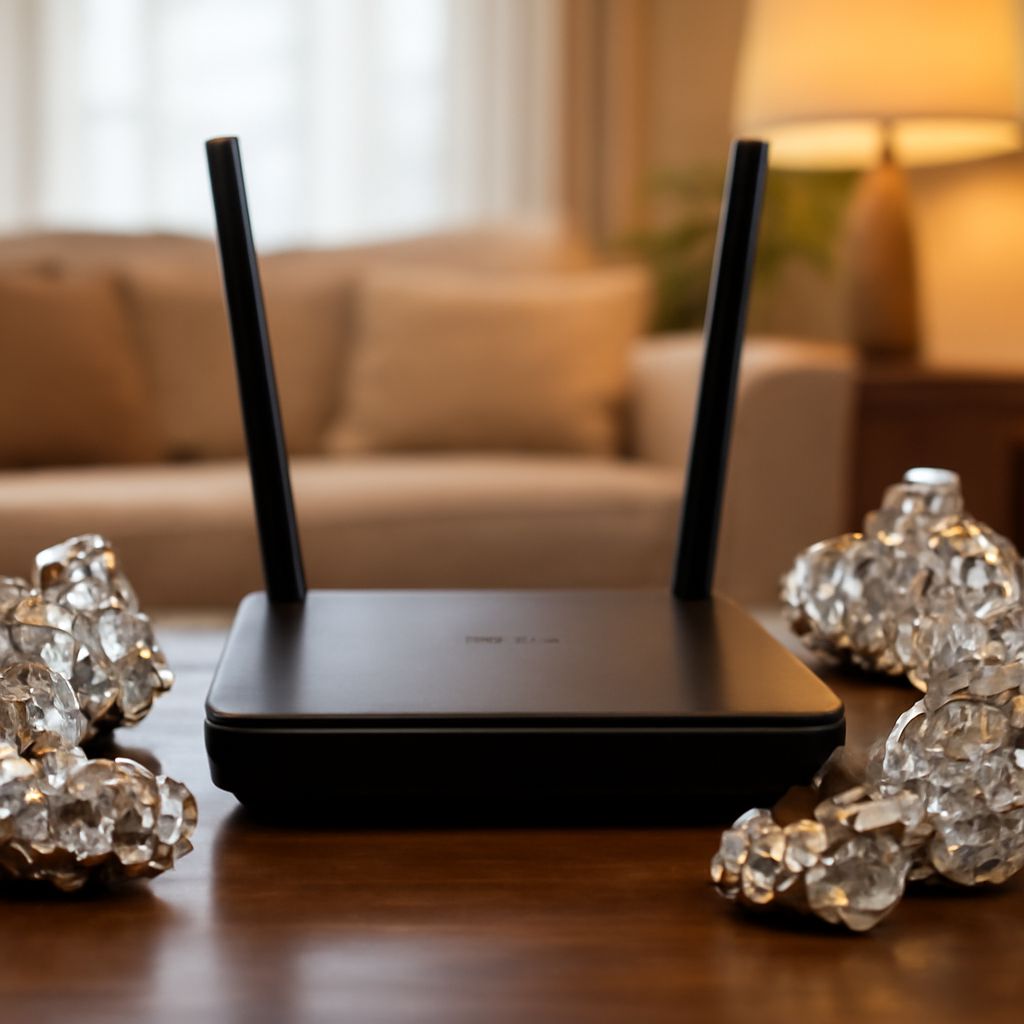
Foil is not a dependable way to add antenna gain. It can act as a crude reflector behind an antenna or unintentionally change the antenna’s electrical element. In the right position, it may redirect a reflected signal and improve one channel. In another position, it can block, detune, or reflect energy into the antenna and degrade a different channel.
If you want to boost a TV antenna signal with aluminum foil, treat it as a controlled experiment rather than a permanent upgrade:
- Record the baseline readings and weak-channel performance first.
- Place a small, flat piece of foil behind the antenna, without wrapping the antenna or covering its receiving elements.
- Change only the foil’s distance or angle, one adjustment at a time.
- Remove it if any weak channel becomes less stable, and never connect foil to the coaxial connector or a powered amplifier.
Choose a different antenna when placement tests show that the current model cannot handle the station directions or polarization in your area. A larger indoor antenna, a directional model, or an attic or outdoor antenna may provide a cleaner signal. Try an amplifier only when the antenna already receives a reasonably clean signal and cable length, a splitter, or multiple TV connections are causing loss. An amplifier cannot reliably repair multipath, obstructions, or strong local electrical noise; it can amplify those problems too.